

The traditional glossy commercial, once the pinnacle of marketing excellence, has largely been replaced by raw, unpolished videos that mirror the content found in a friend’s social media feed. In today’s digital landscape, the shift toward human-centric storytelling reflects a fundamental change in how audiences consume information and make purchasing decisions. This transition is not merely a stylistic preference but a calculated response to a more skeptical consumer base that values peer validation over corporate messaging. As traditional advertising costs climb, brands are finding that user-generated content, or UGC, provides a more efficient path to conversion by leveraging the psychological power of social proof. By integrating deep data analytics with visual narratives, marketers are now able to transform creative output from a speculative gamble into a reliable, performance-driven engine. This new methodology prioritizes the way consumers actually interact with their screens, ensuring that every second of video serves a specific tactical purpose within a broader sales funnel strategy.
Modular Production: Defeating Content Fatigue
The high-velocity nature of modern platforms like TikTok and Meta necessitates a constant stream of fresh material, which frequently leads to the phenomenon known as creative burnout. When an advertisement is repeated too often, the audience becomes desensitized, leading to a sharp decline in click-through rates and a corresponding increase in customer acquisition costs. To mitigate this exhaustion, savvy creators have adopted a modular production strategy that treats every video shoot as a collection of interchangeable components rather than a single, static entity. By breaking down a video into its core elements—the hook, the problem, the solution, and the call to action—production teams can create a versatile library of assets from a single session. This approach allows for the generation of dozens of unique variations by simply swapping the opening few seconds or the final instruction. Consequently, the brand maintains a high volume of output without needing to constantly coordinate expensive new shoots, keeping the content fresh for a diverse audience.
Utilizing a modular framework enables marketing teams to respond with agility to the shifting preferences of the platform’s algorithm and its user base. For instance, if a specific hook fails to stop the scroll, it can be replaced with a different psychological trigger, such as an emotional appeal or a logical comparison, without discarding the rest of the high-quality product demonstration. This flexibility is essential for large-scale testing, where artificial intelligence systems within the ad platforms can automatically determine which combination of modules resonates most effectively with specific demographic segments. By viewing content as a dynamic puzzle rather than a finished painting, brands can extend the lifespan of their creative assets and maintain a competitive edge. This method also reduces the creative pressure on individual creators, as the focus shifts toward optimizing successful components rather than reinventing the wheel for every campaign. Ultimately, modularity provides the infrastructure needed to scale advertising efforts efficiently in a world that demands constant novelty and engagement.
Performance Metrics: Utilizing Algorithmic Feedback
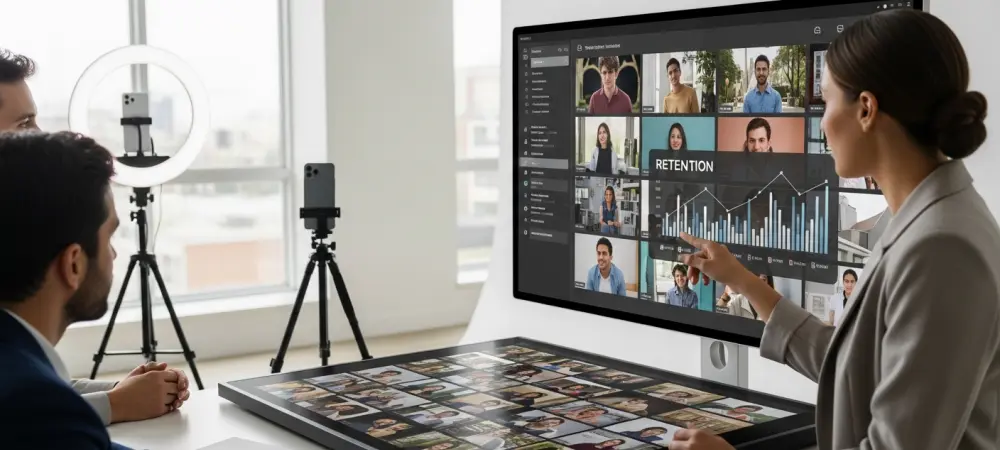
A historic disconnect between the creative departments that produce video content and the media buyers who manage ad spend has long hindered the effectiveness of digital marketing. Without a direct line of communication regarding performance metrics, creators often remain unaware of which visual elements are driving results and which are causing viewers to disengage. Resolving this issue requires the implementation of an algorithmic feedback loop, where real-time data from active campaigns informs every subsequent creative decision. By closely examining retention graphs, production teams can identify the exact moment a viewer drops off, allowing them to make surgical edits to the pacing, text overlays, or audio cues. This data-driven auditing process ensures that the visual style of the content is always aligned with the preferences of the audience. Instead of relying on subjective opinions about what looks good, brands can use objective performance indicators to refine their creative direction, turning their video production into a systematic process of continuous improvement and optimization.
The transition from speculative creative work to data-informed production allows brands to capitalize on micro-trends and specific audience behaviors as they emerge. From 2026 to 2028, the industry trend toward hyper-personalized content modules is projected to expand significantly as machine learning algorithms become more adept at predicting consumer intent. By analyzing past campaign data, creators can identify patterns in successful hooks and visual structures, building a repository of proven winners that can be adapted for future use. This analytical rigor transforms the creative process into a living asset that grows more effective over time. Moreover, the feedback loop allows for the identification of high-performing niche segments that may have been overlooked in broader marketing strategies. For example, if data shows that a specific demographic responds better to a fast-paced editing style, the production team can quickly generate more modules that cater to that preference. This precision targeting ensures that the budget is allocated to content that has demonstrated its ability to capture and hold attention.
Authenticity Standards: Implementing the ATC Model
Modern social media algorithms have become highly sophisticated at detecting and de-prioritizing traditional commercial content that feels intrusive or overly promotional. To navigate this environment, marketers employ the Authenticity-Trust-Conversion model, which prioritizes making advertisements blend seamlessly with organic user content. This involves utilizing vertical framing, native platform fonts, and natural lighting to signal to the algorithm and the viewer that the video belongs within the social ecosystem. When an ad mimics the aesthetic of a post from a friend or a trusted creator, it bypasses the immediate skepticism that many users feel toward corporate messaging. This sense of authenticity is reinforced by the use of realistic environments and diverse creators who represent the actual customer base rather than idealized models. By stripping away the artificial polish of traditional studio production, brands can foster a more genuine connection with their audience. This strategic mimicry is not about deception, but about respecting the visual language of the platform to ensure that the brand’s message is seen and heard.
Authenticity in the digital age also extends to the auditory experience and the manner in which a creator communicates with the viewer. Utilizing natural background noise, unscripted pauses, and a conversational tone helps to establish a sense of radical transparency that is highly valued by contemporary consumers. When a creator speaks directly to the camera and acknowledges the partnership with a brand, it builds a foundation of trust that is essential for driving conversions. This direct approach often leads to higher engagement rates, as viewers feel they are participating in a two-way conversation rather than being the targets of a one-way broadcast. Furthermore, providing honest product demonstrations that highlight both benefits and realistic use cases further solidifies this bond. Once trust is established through these authentic interactions, the transition to a call to action feels like a natural recommendation rather than a forced sales pitch. This model ensures that the path from initial awareness to final purchase is paved with credible, human-centric interactions that resonate with the values of the modern digital consumer.
The evolution of the digital market toward modularity required businesses to rethink their entire operational structure regarding creative output. Successful firms established cross-functional teams where data scientists and videographers collaborated daily to interpret engagement metrics. They prioritized the acquisition of specialized software that tracked the performance of individual content modules rather than just finished ads. These organizations also fostered a network of diverse creators who could provide a steady stream of authentic perspectives, ensuring the brand remained relevant across various subcultures. By implementing a systematic approach to creative testing, they moved away from guesswork and built a more resilient marketing strategy. From 2026 to 2028, these industry leaders refined their processes to include predictive modeling, which anticipated audience reactions before a single frame was filmed. They invested in educational programs to teach creators how to balance their artistic vision with the rigid requirements of algorithmic performance.