

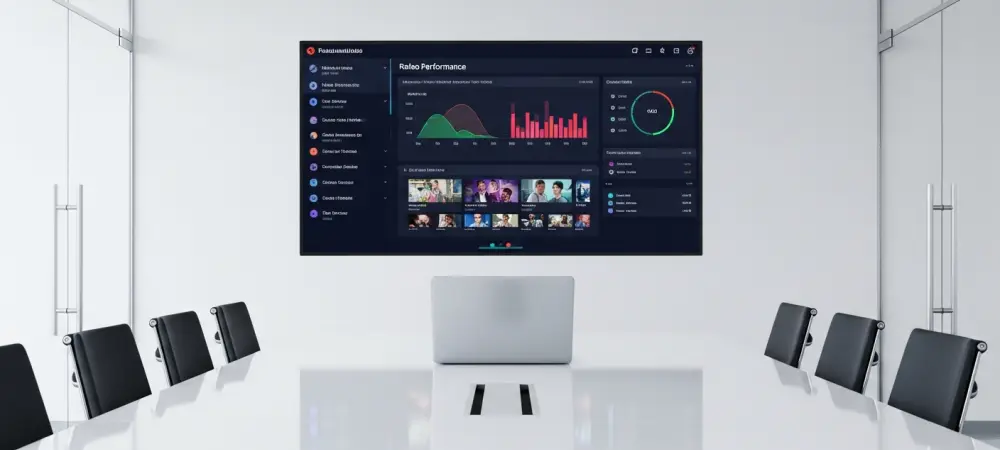
The transition from traditional, high-budget film production to agile, software-driven video creation marks a pivotal moment for brands striving to maintain relevance in a saturated digital landscape. Video has emerged as the primary medium through which modern businesses forge meaningful connections with their target audiences, yet the logistical demands of high-frequency content creation often overwhelm traditional marketing departments. Instead of relying on expensive film crews and specialized soundstages, contemporary organizations are increasingly turning toward intelligent software suites that democratize the production process. This fundamental shift allows even lean teams to generate high-quality visual assets that project a sense of professionalism and authority, thereby building long-term trust without the prohibitive overhead costs of the past. By integrating a specific ecosystem of digital tools, a company can now manage the entire creative journey—from the initial storyboard to the final social media post—while maintaining a lean budget.
Streamlining the Production Lifecycle and AI Repurposing
Modern video marketing is no longer just about hitting record; it has evolved into a complex lifecycle that involves asset creation, sophisticated editing, and strategic distribution across various digital touchpoints. Software solutions now address the most common hurdles, such as astronomical production costs and the steep learning curves associated with legacy editing suites. These tools allow marketers to pivot their focus toward narrative storytelling and audience connection while the underlying technology manages the technical complexities of rendering and file management. Maintaining a consistent presence across multiple social media platforms simultaneously becomes much more manageable when the heavy lifting is handled by automated systems. Consequently, brands can scale their output without compromising on the depth of their messaging. This efficiency is critical for staying ahead of competitors who may still be tethered to slower, manual production methods that hinder rapid response to emerging industry trends. A significant trend in current software development is the integration of artificial intelligence to accelerate repetitive manual tasks that previously drained creative energy. Most of these new platforms operate directly within web browsers, eliminating the need for companies to invest in expensive, high-performance hardware for their marketing staff. This high level of accessibility supports a robust repurposing strategy, where a single primary video can be quickly sliced and adapted to meet the specific formatting requirements of TikTok, Instagram Reels, and YouTube Shorts. This ability to multiply content from a single source is the key to remaining visible in a fast-moving digital environment where audience attention is fragmented across several apps. By using AI to automate the resizing and reframing of footage, marketers can ensure that their message fits the native aesthetic of each platform, which significantly increases the likelihood of organic engagement and viral reach.
Enhancing Visual Standards and Brand Uniformity through Automation
High-end visual fidelity is no longer exclusive to those with professional cameras, as tools like Vmake Labs utilize AI to instantly enhance low-quality footage and remove distracting background elements. This capability is particularly beneficial for e-commerce brands that require clean, professional-looking product shots but may lack the resources for a full-scale studio session. By automatically adjusting lighting, sharpening details, and cleaning up visual noise, these tools bridge the gap between amateur recordings and professional-grade cinematic content. This ensures that every piece of marketing material reinforces a brand’s commitment to quality and attention to detail. Furthermore, the ability to remove unwanted objects or people from a shot allows for greater flexibility during the filming process, as minor mistakes can be corrected in post-production with a single click. This level of technical support empowers small businesses to compete on a visual level with much larger corporations.
Consistency in brand identity is equally important, and platforms like Canva have revolutionized how teams apply specific color palettes, logos, and typography to their video assets. By utilizing simple, customizable templates, even employees without a formal background in graphic design can produce content that looks polished and aligns perfectly with the company’s visual guidelines. This democratization of design ensures that the brand remains recognizable across all digital channels, which is vital for building a cohesive public image. When every video follows a uniform aesthetic, it creates a sense of reliability and trust among viewers who can immediately identify the content’s source. Additionally, the collaborative features of these platforms allow multiple team members to work on the same project, ensuring that feedback is integrated quickly and brand standards are maintained throughout the production cycle. This unified approach prevents the visual disjointedness that often occurs when scaling up.
Leveraging Narrative Editing and Data for Scalable Growth
For content that relies heavily on spoken word, such as educational tutorials or industry podcasts, tools like Descript have fundamentally altered the editing workflow by allowing users to edit video files as if they were simple text documents. By automatically generating an accurate transcript of the audio, these programs allow marketers to delete awkward silences, stammers, or filler words simply by highlighting and removing the corresponding text in the editor. This approach eliminates the need for frame-by-frame scrubbing, saving hours of tedious manual labor that would otherwise be spent on basic cleanup tasks. Creators can instead focus on the core message and the flow of the narrative, ensuring that the final product is concise and engaging for the audience. The ability to manipulate video through a familiar word-processing interface makes the medium accessible to a much broader range of professionals, effectively removing the technical barriers that once limited video production to specialists.
The strategic implementation of data-driven distribution and automated feedback loops provided the final blueprint for scaling modern video marketing operations. Organizations that adopted analytical tools like VidIQ successfully identified high-performing search trends and optimized their content to align with platform algorithms, which resulted in significant growth in audience reach. The logistical challenges of managing multiple digital channels became manageable as distribution platforms like Buffer allowed for the advance scheduling of content, ensuring a steady stream of visibility without the need for constant manual intervention. This systematic approach transformed video production from a series of fragmented tasks into a continuous, high-efficiency workflow that evolved alongside viewer preferences. Moving forward, the focus shifted toward deeper integration of these tools to create a seamless pipeline where creative ideas were validated by performance metrics. This shift empowered teams to focus on storytelling while technology handled distribution.