

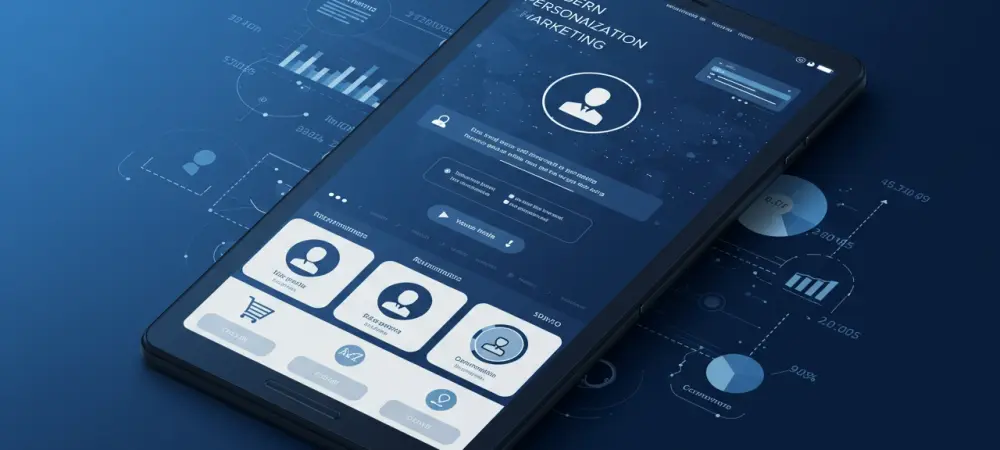
In a rapidly evolving digital landscape, personalization has emerged as a cornerstone in effective marketing strategies, profoundly influencing customer engagement and satisfaction. As digital channels proliferate and data accessibility grows, understanding how to utilize these tools for personalization becomes crucial. Brands aim to offer experiences that are not only engaging but also feel tailor-made for individual customers. This FAQ seeks to address the nuances of modern personalization strategies, offering insights into how brands can navigate and excel in this complex arena.
What is the Personalization Spectrum?
Understanding the spectrum of personalization is essential, as it is not a binary concept where brands either have it or lack it. Personalization ranges from basic actions, like addressing customers by their first names, to more intricate techniques, which involve leveraging customer values and needs for meaningful engagements. This spectrum encompasses various levels, each allowing different degrees of customer connection and interaction. Brands that excel in personalization often achieve more profound customer engagement by fully understanding and implementing strategic personalization practices. Successful personalization helps build brand loyalty and enhances the overall customer experience.
What Are Consumer Expectations Today?
Current consumer expectations have evolved to favor a higher degree of personalization that goes beyond simple transactional interactions. Customers now expect brands to understand and anticipate their needs, delivering engagements that feel uniquely relevant. This expectation challenges brands to formulate strategies that demonstrate an intuitive grasp of customer desires.
The evolution of consumer expectations has heightened the importance for businesses to cultivate authentic, personalized interactions. Understanding this consumer mindset can help brands create experiences that elicit a sense of being understood and valued, ultimately strengthening customer loyalty.
How Is Data Utilization Important in Personalization?
Efficient data utilization is pivotal in crafting and executing personalization strategies. While the abundance of data presents opportunities, it also poses challenges in distilling actionable insights and using them effectively across diverse channels. Transforming data into meaningful insights requires responsibility and transparency to enhance personalization without appearing intrusive. Brands that excel at using data responsibly can refine personalization efforts, ensuring they resonate with consumers rather than overwhelm them. This balance enables more effective engagement and can foster long-term customer relationships built on trust and understanding.
Why is Real-Time Decisioning Crucial?
Real-time decisioning forms the backbone of successful customer engagement in today’s fast-paced environment. This process involves quickly interpreting customer actions to accurately determine how, when, and where to respond. Timeliness and context are of utmost importance in delivering relevant messages that connect with the audience.
Effective real-time decision-making requires a blend of technology and strategy to decipher customer behaviors and respond appropriately. Brands that master this achieve a competitive edge, providing experiences that feel naturally aligned with the customer’s journey.
How Do Integration and Cohesion Across Channels Affect Personalization?
Integration and cohesion across channels ensure marketing efforts are perceived as continuous, creating a seamless journey for customers. This approach avoids disjointed experiences that might deter engagement. Instead, interactions should logically follow one another, offering consistent messaging and relevance.
When brands manage to present a cohesive narrative across different contact points, it enhances brand perception and customer satisfaction. Ensuring that each interaction is informed by previous interactions can significantly improve the effectiveness of personalization efforts.
How Do AI and Predictive Personalization Enhance Marketing?
Artificial Intelligence (AI) and predictive personalization are revolutionizing marketing by enabling one-on-one personalization at scale. AI allows marketers to tailor content and timing based on real-time data signals, while predictive capabilities anticipate future customer needs, proactively influencing engagement.
Brands utilizing AI can leverage technology to build dynamic, responsive marketing strategies that adjust in real-time. This forward-thinking approach not only improves efficiency but also deeply personalizes customer experiences, positioning brands as intuitive and attentive to individual preferences.
What Role Does First-Party Data Strategy Play?
The shift to first-party data strategy emphasizes the importance of collecting data directly from consumers who willingly share it. This approach helps brands build trust, ensuring personalization respects consumer privacy while staying relevant and timely. First-party data allows for a more accurate and personalized marketing strategy.
By focusing on first-party data, brands can offer a personalized experience that is both effective and respectful, fostering a more genuine connection with their audience. This strategy also aligns with evolving privacy regulations, ensuring marketing efforts are both innovative and compliant.
How Does the Marketing Landscape Transform with These Trends?
The marketing landscape has evolved from using traditional broad-based techniques to prioritizing deep personalization through technology and data insights. AI integration facilitates more granular data analysis and content automation. Consolidating marketing channels into a cohesive platform becomes essential for delivering consistent, relevant communications.
Incorporating data-driven personalization strategies into marketing plans enables a brand to respond dynamically to customer expectations, ensuring that every interaction feels informed and seamless. This transformation reflects a strategic pivot toward fulfilling modern consumer demands for unique brand interactions.
Conclusion
Personalization in marketing, driven by advancements in technology and evolving consumer expectations, has reshaped the landscape by offering new opportunities and challenges for brands seeking to engage customers on a more individual level. AI, real-time decision-making, and first-party data have been critical to crafting these personalized experiences. As marketers navigate these complex dynamics, they find ways to balance technological tools with creative storytelling, crafting engagements that are both meaningful and respectful of consumer privacy. The mastery of personalization strategies becomes a pivotal factor in gaining a competitive edge and establishing lasting connections with customers.