

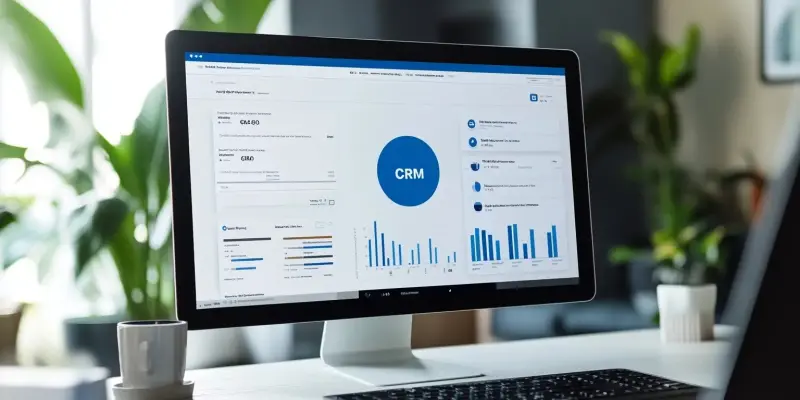
Nonprofit organizations face the ongoing challenge of managing donor relationships effectively and adapting to the ever-evolving digital landscape. To optimize their approaches, leveraging real-time data and custom CRM dashboards has become essential for nonprofits. These tools enable organizations to manage their donor relationships more efficiently, drive their missions forward, and achieve better results in their fundraising endeavors. This article delves into the critical role of real-time data and customized CRM dashboards in enhancing donor management processes, highlighting their importance, key features, and best practices for implementation.
The Significance of Real-Time Data in Donor Management
One of the most significant advantages of real-time data lies in its ability to provide immediate insights into fundraising activities and donor behaviors, immensely benefiting nonprofit organizations. By accessing up-to-date information, nonprofits can swiftly adjust their strategies to align with the current trends and needs of their supporters. This timely access to data contributes to enhanced operational efficiency and fosters a culture of data-driven decision-making, ultimately improving the organization’s overall performance.
For example, analyzing donation patterns in real-time allows nonprofits to identify peak giving times and concentrate their outreach efforts accordingly. This ensures that they capitalize on moments when donor generosity is at its highest, optimizing fundraising outcomes. Furthermore, real-time data helps nonprofits quickly respond to unexpected events or shifts in donor behavior, allowing them to adapt their strategies on the fly. This agility is particularly crucial in a constantly changing environment, where timely responses can make a significant difference in donor engagement and retention.
Essential Metrics and KPIs for Tracking Donor Engagement
To maximize the effectiveness of CRM dashboards, it is crucial for nonprofits to monitor essential metrics and Key Performance Indicators (KPIs) that provide valuable insights into their fundraising performance. Among these metrics are donor acquisition rates, retention rates, average gift size, and lifetime value of donors. By keeping a close eye on these KPIs, organizations can identify areas of strength and pinpoint opportunities for further improvement.
Tracking donor acquisition rates, for example, helps nonprofits assess the effectiveness of their marketing campaigns and outreach efforts in attracting new supporters. A high acquisition rate indicates a successful strategy, while a declining rate may suggest the need to revisit and refine current approaches. Similarly, monitoring retention rates can reveal potential causes of donor attrition and spark the development of targeted strategies to address these issues. Understanding why donors may be lapsing allows nonprofits to take proactive measures to retain their support and cultivate long-term relationships.
Enhancing Donor Engagement and Retention
CRM dashboards play a pivotal role in helping organizations understand their donors better, enabling them to tailor their communication strategies to resonate with individual supporters. By analyzing donor behavior and preferences, nonprofits can customize their outreach efforts, leading to increased donor engagement and higher retention rates. A personalized approach not only fosters a sense of belonging among donors but also makes them feel valued and appreciated.
Segmenting the donor base based on criteria such as giving history, engagement levels, or interests allows nonprofits to create targeted campaigns that speak directly to each segment’s unique motivations. For example, if a donor prefers email updates over social media, the organization can adjust its communication strategy accordingly. This level of personalization increases the likelihood of continued support and helps strengthen the bond between the donor and the organization. Moreover, targeted campaigns that resonate with specific donor segments can optimize fundraising outcomes by addressing the unique needs and preferences of each group.
Customization of CRM Dashboards
Nonprofits have unique missions, goals, and donor demographics, making a one-size-fits-all approach ineffective when it comes to CRM dashboards. Customizing these dashboards to reflect relevant metrics and KPIs ensures that organizations focus on what matters most to their operations. This tailored approach provides deeper insights into performance, enabling informed decision-making that aligns with the organization’s specific objectives and mission.
For instance, a nonprofit focused on environmental conservation may prioritize metrics related to donor engagement in specific campaigns tied to sustainability efforts. Conversely, an organization dedicated to social services may want to track metrics related to community impact or volunteer engagement. By customizing dashboards to reflect these priorities, nonprofits gain a clearer understanding of their performance and can identify areas for improvement. Tailored dashboards enable organizations to make data-driven decisions, ultimately enhancing their effectiveness and advancing their missions.
Integration with Fundraising and Marketing Efforts
Integrating CRM dashboards with fundraising and marketing efforts significantly enhances their overall effectiveness. By connecting these tools with email marketing platforms, nonprofits can track the success of their campaigns in real-time and adjust messaging based on donor responses. This dynamic approach allows organizations to optimize their outreach efforts and improve donor engagement, leading to better fundraising results.
Similarly, integrating CRM dashboards with social media analytics provides valuable insights into how online engagement translates into donations. This holistic approach ensures that marketing strategies are data-driven and aligned with organizational goals, ultimately optimizing resource allocation and improving overall performance. By understanding which platforms and messages resonate most with their audience, nonprofits can allocate resources more effectively and achieve greater impact through their fundraising efforts.
Successful Case Studies
Several nonprofits have successfully implemented CRM dashboards to enhance their donor management processes, serving as inspiring examples for others looking to adopt similar approaches. Charity: Water, for instance, utilized a customized CRM dashboard to track donor engagement levels in real-time and segment its audience based on giving history and interests. This allowed the organization to tailor its communication strategies effectively, resulting in increased donor retention rates and higher average gift sizes.
Another success story is The Nature Conservancy, which integrated its CRM dashboard with its fundraising efforts across multiple channels. By analyzing real-time data on donor behavior and campaign performance, the organization identified trends that informed its marketing strategies. This approach led to significant growth in new donor acquisition and overall fundraising revenue, demonstrating the power of leveraging real-time data and customized dashboards to drive success in donor management.
Best Practices for Maximizing CRM Dashboards
To maximize the benefits of CRM dashboards, nonprofits should prioritize data accuracy by regularly updating and maintaining their databases. Accurate data is crucial for making informed decisions and ensuring relevant and timely outreach efforts. A clean and well-maintained database enables organizations to derive actionable insights, which are essential for effective donor management and strategic planning.
Training staff members to effectively use CRM dashboards is also essential for maximizing their potential. Ongoing education equips team members with the skills needed to analyze data and derive meaningful insights from the dashboard. By fostering expertise in data analysis and interpretation, organizations can enhance their overall donor management processes and drive better fundraising outcomes. Furthermore, a well-trained team is more likely to embrace data-driven decision-making, leading to a more effective and efficient organization.
Fostering a Culture of Collaboration
Nonprofit organizations continuously face the challenge of managing donor relationships effectively while adapting to the rapidly changing digital landscape. To optimize their strategies, leveraging real-time data and custom CRM dashboards has become crucial. These tools enable nonprofits to manage donor relationships more efficiently, advance their missions, and achieve better fundraising results. By utilizing real-time data, organizations can make informed decisions and adjust strategies on the fly. Custom CRM dashboards offer tailored insights and analytics, allowing nonprofits to track donor engagement, identify trends, and enhance communication efforts. As the digital landscape continues to evolve, these tools will remain indispensable for nonprofits aspiring to build stronger donor relationships and drive mission success.