

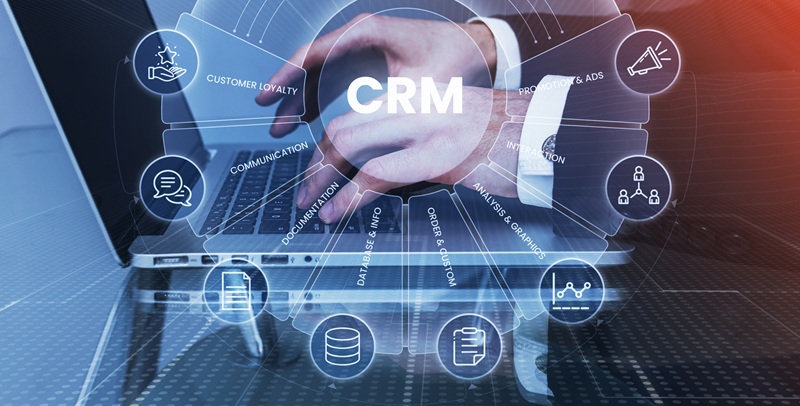
In today’s fast-paced business world, the integration of Customer Relationship Management (CRM) systems with other software applications is not just a technical upgrade but a strategic necessity for businesses aiming to stay competitive. Merging CRM systems with various business applications enables companies to centralize customer data, streamline operations, and significantly enhance customer interactions, which are pivotal for sustained growth.
Common Themes and Key Points
CRM integration refers to the process of connecting a CRM system with other software applications, allowing businesses to unify data from multiple sources into a single, accessible platform. This integration makes customer data readily actionable, empowering companies to deliver personalized experiences and optimize their marketing strategies effectively. By combining customer information from various touchpoints, businesses can better understand their customers’ needs and behaviors, leading to more targeted and efficient marketing efforts.
CRMs gather and store a vast array of customer-related information, from personal details to sales history, in a centralized database. These systems can come as single-purchase software, Software as a Service (SaaS) platforms, or open-source solutions. Their primary function is to automate the collection and management of data, thus alleviating manual workloads and enhancing operational efficiency. By leveraging automated features, employees can focus on more strategic tasks, ultimately driving better business outcomes.
The mechanics of CRM integration involve linking CRM systems with other business applications through APIs (Application Programming Interfaces) or using iPaaS (Integration Platform as a Service). The primary goal is to ensure seamless data sharing between disparate systems, enhancing the overall functionality and utility of the CRM. This seamless integration enables real-time data updates across all platforms, ensuring that all departments have access to the most current information, thus fostering better collaboration and decision-making.
Examples of CRM Integrations
One prominent example is e-commerce integration, where CRM systems sync with platforms like Shopify or WooCommerce to manage sales operations efficiently. This integration ensures that customer purchases and inquiries are tracked and managed in one place, simplifying inventory and customer management. Another example is marketing integration, where CRM systems connect with marketing automation tools such as HubSpot. This combination helps build comprehensive customer profiles and enhances targeted marketing efforts by allowing marketers to tailor their campaigns based on detailed customer data.
Customer service integration is another critical area, where CRM systems merge with customer service software to provide consistent and informed support across various business channels. By integrating these systems, customer service representatives have all necessary information at their fingertips, enabling them to provide quicker and more accurate responses to customer inquiries. This results in improved customer satisfaction and loyalty.
Benefits of CRM Integration
CRM integration offers numerous benefits, including enhanced communication and customer care. Integrated CRMs provide timely and accurate data, enabling businesses to personalize interactions and maintain better communication with their customers. Automation of tasks is another significant advantage, as it helps conserve resources and reduce the workload on employees by handling routine tasks such as automated communication and record-keeping. The improved organization and efficiency from having consolidated data enhance transparency and ease data retrieval, boosting productivity across departments.
Overarching Trends and Consensus Viewpoints
The integration of CRM systems has become a prevailing trend among businesses seeking to remain competitive in a rapidly evolving market. Key consensus viewpoints highlight the indispensable role of CRM integration for businesses aiming to improve customer satisfaction through personalized experiences, achieve operational efficiency by automating routine tasks, and maintain cohesive and up-to-date customer data across various functions. Companies that adopt integrated CRM systems are better positioned to adapt to changing market dynamics and meet customer expectations more effectively.
Detailed and Coherent Narrative
The synthesis of information underscores the multifaceted benefits of CRM integrations. By focusing on core advantages and the mechanics of CRM integration, the discussion avoids overemphasis on less critical details, ensuring a clear presentation of necessary information. Through various examples and identified trends, it becomes evident how CRM integration can transform business operations, leading to superior customer experiences and growth.
Main Findings
In today’s fast-paced business environment, integrating Customer Relationship Management (CRM) systems with other software applications is no longer just an optional technical enhancement—it’s a strategic imperative for businesses striving to maintain a competitive edge. This integration isn’t merely about technology; it represents a fundamental shift in how businesses operate. By merging CRM systems with various business applications, companies can centralize customer data, making it accessible and actionable across the organization. This centralization streamlines operations by reducing redundancies and ensuring that everyone from sales to customer service has the latest information at their fingertips. Furthermore, it significantly improves customer interactions by allowing for more personalized and timely responses, which are critical for building and maintaining customer loyalty. In an era where customer experience can make or break a brand, the seamless integration of CRM systems with other business tools is pivotal for sustained growth and success. This strategy allows businesses to not only meet but exceed customer expectations, paving the way for long-term growth.