

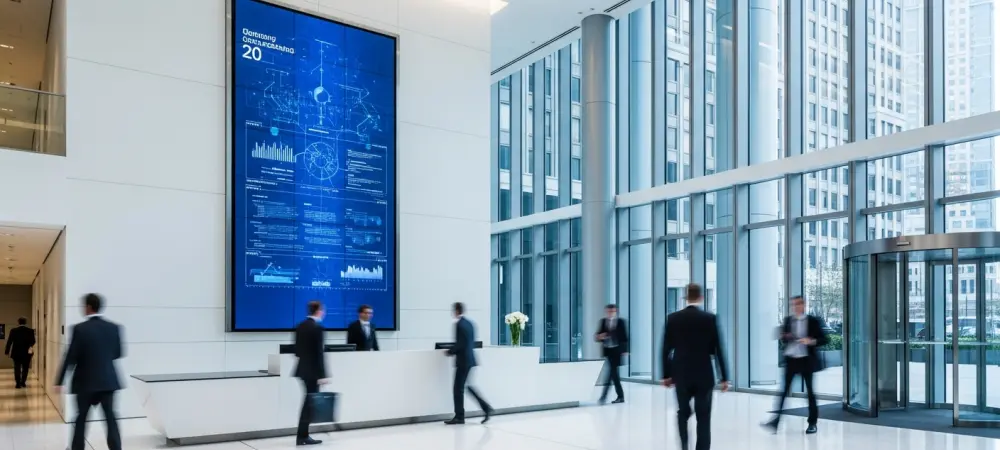
As modern B2B marketing strategies transition away from broad digital broadcasts toward hyper-personalized engagement, the challenge of reaching high-level executives within their physical professional environments has become a critical hurdle for global advertising agencies and corporate brands alike. While digital platforms provide granular data, they often fail to penetrate the executive suite where decision-makers are frequently shielded by administrative filters or ad-blocking software. The introduction of the ABM Matcher by the Executive Channel Network represents a shift in how office-based digital out-of-home advertising operates, moving from general awareness to surgical precision. By leveraging proprietary data sets, this tool enables advertisers to select specific office buildings based on the organizations that occupy them, ensuring that high-value messaging reaches the exact personnel responsible for major procurement decisions. This methodology transforms passive office screens into active points of contact, allowing for a seamless integration of account-based marketing goals with the high-impact visual presence of large-format digital displays in lobbies and elevators across major financial hubs.
Precision Architecture: Redefining Workplace Engagement through Data
The technical backbone of the ABM Matcher relies on a sophisticated synchronization process that aligns advertiser target lists with an extensive directory of corporate tenants. Instead of relying on broad demographic assumptions, marketers now upload specific lists of target accounts to identify which premium office assets correspond with their desired business audience. This data-driven approach eliminates the waste traditionally associated with outdoor advertising, as content is only triggered in environments where the intended viewers are known to operate. Furthermore, the platform supports dynamic creative optimization, allowing messages to be tailored to the specific industry or even the individual corporate culture of a building’s occupants. By utilizing this level of specificity, B2B brands established a more authoritative presence, appearing as a natural part of the professional landscape rather than an intrusive interruption. The ability to measure frequency and reach within these closed ecosystems provided a level of transparency that was previously unattainable in the out-of-home sector, fostering a new era of accountability for corporate media budgets.
Adoption of this technology necessitated a fundamental rethink of how omnichannel campaigns were structured, forcing creative teams to produce content that resonated specifically with the high-pressure environment of the corporate workspace. Organizations that successfully utilized these tools prioritized clarity and concise value propositions, recognizing that the attention span of a busy executive moving between meetings was brief but valuable. Strategic implementation involved pairing these physical impressions with synchronized mobile and desktop retargeting, creating a surround-sound effect that solidified brand recall. Moving forward, the focus shifted toward integrating environmental triggers such as stock market fluctuations or industry news into the ad delivery logic, ensuring that the content remained hyper-relevant to the immediate professional context. Advertisers were encouraged to audit their existing CRM data for geographical density to identify high-opportunity hubs before committing to large-scale deployments. This proactive stance allowed businesses to maximize their physical footprint while maintaining the agility of digital programmatic buying, ultimately securing a more influential position within the competitive landscape of 2026 and beyond.