

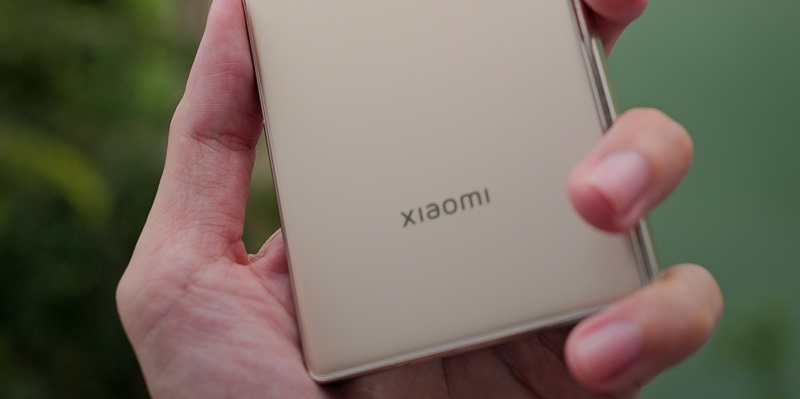
In an exciting development for budget-conscious consumers in India, Xiaomi has introduced its latest entry-level 5G smartphone, the Redmi A4 5G, which aims to bring next-generation connectivity to a broader audience. Following the popular Redmi A3, this new release is powered by a Qualcomm Snapdragon 4s Gen 2 chipset, featuring eight CPU cores and an Adreno 619L GPU. While the device is limited to support for the 5G SA band, not the 5G NSA, it still promises to deliver impressive performance for its price point. The Redmi A4 5G runs on Xiaomi’s HyperOS, based on Android 14, ensuring users have access to the latest features and a smooth, responsive experience. Furthermore, the device is scheduled to receive two significant OS updates along with four years of security patches, highlighting Xiaomi’s commitment to maintaining user security and up-to-date software.
Specifications and Features
The Redmi A4 5G is equipped with a large, 6.88-inch LCD display boasting a resolution of 1,640 x 720 pixels. This screen supports a 120 Hz refresh rate and 600 nits peak brightness, ensuring a vivid and smooth visual experience, whether for gaming or streaming video content. Powering the device is a substantial 5,160 mAh battery, which supports 18 W charging via a USB-C port. This sizeable battery capacity should ensure that the device can comfortably last through a full day of use without requiring frequent recharges. Additionally, the Redmi A4 5G offers IP52 water and dust resistance, providing some level of protection against everyday elements.
Photography enthusiasts will appreciate the device’s camera capabilities. The primary rear camera features a 50 MP sensor, designed to capture high-resolution photos with good detail and clarity. Complementing the main sensor is an unspecified secondary sensor, which likely assists in depth sensing or other auxiliary photographic tasks. On the front, the Redmi A4 5G sports a 5 MP camera with an f/2.2 aperture, suitable for selfies and video calls.
Pricing and Availability
The Redmi A4 5G stands out with its sleek dimensions, measuring 171.88 x 77.80 x 8.22 mm and weighing 212.3 g, providing a sturdy yet comfortable grip. This smartphone comes in two storage options: 4 GB of RAM combined with either 64 GB or 128 GB of internal storage. For those needing extra space, storage is expandable up to 1 TB via a microSD card, making the device highly versatile. Priced attractively, the base model with 64 GB storage is available for INR 8,499 (roughly $100), and the 128 GB model costs INR 9,499 (around $112). Starting November 27, the Redmi A4 5G will be available for purchase on Xiaomi’s official website and Amazon India, with color choices of Starry Black and Sparkle Purple.
Overall, the Redmi A4 5G offers an excellent option for those looking for an affordable 5G smartphone without sacrificing essential features. It boasts solid performance, good battery life, a decent camera setup, and highly competitive pricing. As a result, it is expected to become a popular choice for consumers who want good value in a rapidly advancing smartphone market.