

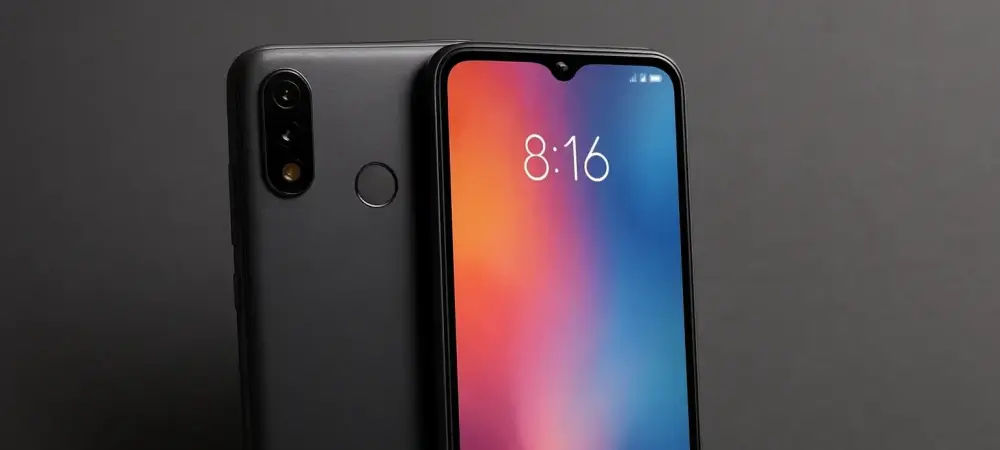
In a world where lightning-fast internet is no longer a luxury but a necessity, how can budget-conscious consumers keep up with the digital race without breaking the bank? Picture a smartphone that delivers 5G speeds without draining your wallet—a device that bridges the gap between affordability and cutting-edge technology. Enter a new contender in the European market, launched across countries like Poland, France, Spain, and Hungary, redefining expectations for entry-level devices with next-gen connectivity.
Why 5G Matters in Affordable Smartphones
The shift to 5G technology represents more than just a buzzword; it’s a lifeline for millions who rely on seamless connectivity for work, education, and entertainment. With data consumption soaring—think high-definition streaming or real-time video calls—the demand for faster networks has surged, even among those on tight budgets. This growing need highlights the significance of introducing 5G into the budget segment, making digital inclusion a reality for a broader audience.
This development is particularly crucial in European markets where access to advanced tech often comes with a steep price tag. Affordable 5G devices challenge the notion that high-speed internet is reserved for premium buyers. By addressing this gap, manufacturers are paving the way for a more connected society, ensuring that even cost-conscious users aren’t left behind in the digital evolution.
The Larger Trend: Making 5G Accessible to All
Beyond individual needs, the push for 5G in budget smartphones reflects a broader movement toward democratizing technology. Industry reports indicate that by 2025, over 40% of smartphone users in Europe are expected to adopt 5G, driven by the rollout of affordable devices. This statistic underscores a shift in consumer expectations, where staying connected at high speeds is becoming a baseline requirement, not an added perk.
In regions like Spain and Poland, where economic diversity shapes purchasing decisions, the availability of low-cost 5G phones addresses a critical barrier to adoption. This trend aligns with efforts to close the digital divide, ensuring that rural and urban users alike can access modern networks. Such initiatives signal a turning point, as manufacturers prioritize value over exclusivity in their product strategies.
Unpacking the Specs: What Sets This Device Apart
Diving into the technical details, the standout feature of this smartphone is its chipset upgrade to the Dimensity 6300, built on a 6nm process for enhanced efficiency. Compared to older models with less advanced processors, this chipset boasts faster CPU cores (2x Cortex-A76 at 2.4GHz and 6x Cortex-A55 at 2.0GHz) and a Mali-G57 MC2 GPU, delivering smoother performance for everyday tasks like browsing and gaming.
Other notable specs include 5G connectivity as the core selling point, alongside storage options of 4GB RAM with either 128GB or 256GB internal capacity, expandable via microSD. A robust 6,000mAh battery with 33W fast charging powers a 6.9-inch 720p+ LCD display featuring a 120Hz refresh rate, while subtle design updates add a bit of heft at 211 grams. With an IP64 rating for dust and splash resistance, durability remains a key focus for practical use.
The camera setup sticks to a reliable 50MP rear lens and an 8MP front shooter, complemented by extras like a 3.5mm headphone jack, Bluetooth 5.4, and a side-mounted fingerprint sensor. While not groundbreaking, these features ensure a well-rounded experience for users seeking functionality over flashiness. Insights from tech analysts suggest that such incremental upgrades strike a balance between innovation and affordability in the competitive budget market.
Pricing Strategy: Balancing Cost and Value
When it comes to market positioning, pricing reveals a calculated approach to introducing 5G at an accessible level. In Spain, the base model with 4GB RAM and 128GB storage retails at €180, while the 256GB variant costs €200. Across the border in France, prices are slightly higher at €183 and €213, respectively, with Hungary listing them at HUF 60,000 and HUF 70,000, and Poland offering the higher-end version at PLN 700.
These figures reflect a modest premium over the 4G predecessor, which typically sells for €150 or as low as €130 on discount. Market experts note that this price difference aligns with the added value of 5G, a feature still considered premium in the budget category. This strategy positions the device as a compelling option for those ready to invest a little more for future-proof connectivity.
The regional pricing variations also highlight an understanding of local economic contexts, ensuring that the cost remains within reach for diverse consumer groups. Data from recent sales trends in Europe shows a growing acceptance of such premiums when tied to tangible benefits like faster internet, reinforcing the viability of this pricing model in competitive markets.
Is This Smartphone the Right Fit for Your Needs?
For potential buyers weighing an upgrade, evaluating personal requirements is key to making an informed choice. If you reside in an area with 5G coverage or frequently engage in data-intensive activities like streaming or remote work, the enhanced connectivity offers a clear advantage. This consideration becomes even more relevant as network expansions continue across Europe, promising wider access in the coming years.
Budget constraints also play a critical role in the decision-making process. Comparing regional prices—ranging from €180 to €213 in Western Europe—against the discounted rates of older 4G models helps determine if the added cost justifies the upgrade. Additionally, prioritizing features such as the long-lasting 6,000mAh battery or the smooth 120Hz display can tip the scales for users seeking value in specific areas.
Lastly, checking for region-specific features like NFC for contactless payments is advisable before purchasing. Practical tips include visiting local retailers for hands-on demos or consulting online forums for user experiences tailored to your country. Such steps ensure that the decision aligns with both lifestyle needs and financial planning, making the transition to 5G a seamless one.
Reflecting on a Step Forward
Looking back, the launch of this budget-friendly 5G smartphone marked a pivotal moment in making advanced technology accessible to a wider European audience. It demonstrated that high-speed connectivity could coexist with affordability, challenging long-held assumptions about who gets to enjoy the benefits of digital progress. The blend of upgraded hardware and strategic pricing set a benchmark for what entry-level devices could achieve.
Moving ahead, the focus shifts to how consumers can leverage such innovations to enhance their daily lives. Exploring local 5G coverage maps becomes a practical next step for maximizing the device’s potential, while keeping an eye on upcoming models promises even more refined features at competitive rates. This era of accessible tech invites everyone to stay connected, proving that the future of smartphones is no longer just for the few but for the many.