

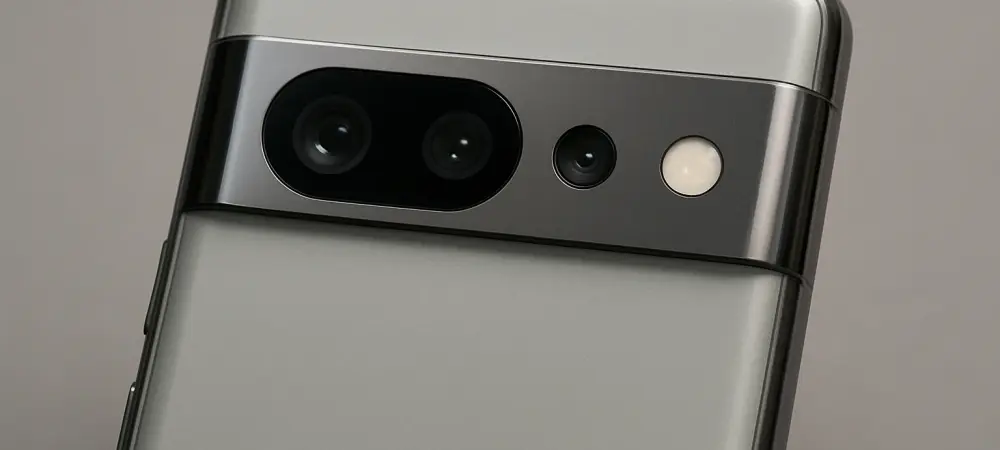
Imagine standing at the crossroads of smartphone innovation, with two of Google’s flagship devices—the Pixel 10 and Pixel 10 Pro—vying for your attention, and a $200/€200 price gap separating these compact powerhouses. The decision isn’t just about specs but about aligning a device with personal needs, and this roundup gathers diverse opinions, tips, and reviews from tech enthusiasts, industry analysts, and user communities to dissect the key differences between these models. The purpose is to provide a multifaceted perspective on design, display, performance, camera capabilities, and overall value, helping buyers navigate the choice between a cost-effective premium experience and a specialized, feature-rich upgrade.
Design and Build: Consensus on Consistency
Across various tech forums and review platforms, there is near-universal agreement that the design of the Pixel 10 and Pixel 10 Pro is virtually indistinguishable. Both models share the same compact form factor, IP68 resistance for water and dust protection, and a robust build with Gorilla Glass Victus 2 paired with an aluminum frame. Many reviewers note that this uniformity ensures neither device feels like a compromise in terms of durability or aesthetics, emphasizing Google’s focus on a cohesive brand identity over visual differentiation.
Some community discussions, however, reveal mild frustration among users who expected more distinct styling cues to justify the price difference. A recurring sentiment is that while the premium feel is undeniable in both phones, a unique design element for the Pro could have added to its allure. This perspective highlights a minor divide between those who appreciate the consistent look and others who crave a bolder statement to match the Pro’s higher tier.
Display Quality: Marginal Gains Under Scrutiny
When it comes to display performance, tech blogs and video reviews largely concur that the Pixel 10 Pro holds a slight advantage with its higher resolution and peak brightness of 2,361 nits in Auto mode, compared to the Pixel 10’s 2,030 nits. Analysts point out that both screens excel in outdoor visibility, but the Pro’s LTPO technology offers subtle power efficiency benefits that could appeal to tech-savvy users monitoring battery drain during heavy use.
Differing views emerge in user feedback, where many casual smartphone owners argue that the brightness difference is barely noticeable in everyday scenarios. A segment of online discussions suggests that unless someone is constantly pushing their display to extreme conditions, the Pro’s incremental improvements might not warrant the extra cost. This split opinion underscores a broader debate about whether cutting-edge display specs truly impact the average user’s experience.
Performance and Memory: Shared Power, Divergent Capacity
Industry insights gathered from hardware-focused reviews reveal that both the Pixel 10 and Pixel 10 Pro are powered by the same Tensor G5 chipset, delivering nearly identical performance in CPU and AI-driven tasks. Benchmark analyses shared across tech channels show minimal variance in scores, reinforcing the idea that raw processing power isn’t a deciding factor between these devices.
The real divergence, as highlighted by power users and content creators in online communities, lies in memory configurations. The Pixel 10 caps at 12GB of RAM and 256GB of storage, while the Pro starts at 16GB of RAM and scales up to 1TB of storage. Many professionals argue that this makes the Pro a more future-proof option for handling intensive apps or large media files, though budget-conscious reviewers caution that such capacity might be overkill for mainstream users who primarily browse or stream content.
Camera Systems: A Clear Divide in Capability
Perhaps the most discussed aspect in this comparison, based on photography blogs and social media threads, is the camera performance, where the Pixel 10 Pro consistently outshines its counterpart. Reviewers praise the Pro’s 50MP main sensor, 48MP telephoto, and 48MP ultrawide lenses, which deliver superior sharpness, detail, and low-light results compared to the Pixel 10’s 48MP main, 10.8MP telephoto, and 13MP ultrawide setup. Exclusive features like 8K recording and Pro shooting mode further cement the Pro as a favorite among photography enthusiasts.
Contrasting opinions surface from everyday users who share their experiences on forums, noting that the Pixel 10 still captures impressive shots for casual needs like social media posts or family photos. Some argue that while the Pro’s advanced imaging is undeniable, the base model’s camera system suffices for most non-professional scenarios, questioning whether the upgrade justifies the price premium. This dichotomy reflects a broader conversation about balancing cost with specialized features in smartphone photography.
Value Proposition: Weighing Cost Against Features
Across multiple tech roundtables and consumer feedback platforms, the $200/€200 price difference remains a hot topic when assessing the overall value of these devices. Many industry observers position the Pixel 10 as an ideal entry point for those seeking a pure Android experience without breaking the bank, highlighting its solid performance and competent feature set as adequate for a wide audience.
On the flip side, several analysts and user reviews advocate for the Pro, particularly for enthusiasts who prioritize top-tier camera capabilities and long-term usability through higher memory options. A common tip shared in buying guides is to evaluate personal usage patterns—whether photography or storage needs are critical—before deciding if the Pro’s enhancements align with the added expense. This balanced discourse helps frame the choice as a personal one, rooted in individual priorities rather than a universal “better” option.
Final Thoughts on the Pixel Showdown
Looking back, this roundup of diverse perspectives paints a comprehensive picture of the nuanced differences between the Google Pixel 10 and Pixel 10 Pro. For those still on the fence, a practical next step would be to test both devices in-store, focusing on camera output and handling to see which aligns better with daily demands. Another consideration is to explore user-generated content on social platforms for real-world examples of photo quality and performance under varied conditions. As smartphone technology continues to evolve over the coming years, keeping an eye on community reviews and upcoming comparisons from 2025 onward can also provide fresh insights into long-term value. This approach ensures a decision that’s not just informed by specs, but by lived experiences and evolving needs.