

Imagine a smartphone that not only keeps up with the relentless pace of modern life but also redefines what a flagship device can achieve in terms of power, design, and innovation, setting new benchmarks for the industry. In a world where consumers demand seamless performance and cutting-edge features, Xiaomi steps into the spotlight with its latest offering, showcased recently at the Snapdragon Summit Global Highlights event in India. This review dives deep into a device that promises to challenge the status quo in the premium smartphone segment, exploring its standout specifications, real-world usability, and potential impact on a competitive market like India.
Unveiling a New Era of Design and Build
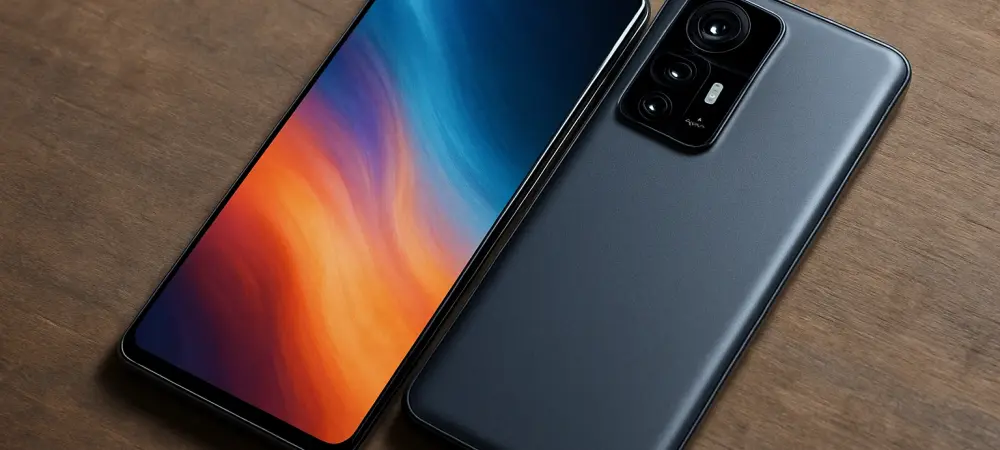
The design philosophy behind this smartphone reflects a commitment to both aesthetics and functionality. With a sleek profile and ultra-thin 1.18mm bezels, the device offers a near bezel-less experience that maximizes screen real estate. Available in a striking blue colorway during its Indian showcase, it hints at a premium vibe, though uncertainty lingers about whether other variants like black, pink, and white, seen in China, will make their way to Indian shores.
Beyond its visual appeal, the build quality suggests durability suited for everyday use. The choice of materials and the attention to detail in crafting a lightweight yet sturdy frame indicate that this device is engineered to withstand the rigors of a fast-paced lifestyle. This balance of style and resilience positions it as a serious contender among other flagship models vying for consumer attention.
Performance That Redefines Expectations
Harnessing the Power of Snapdragon 8 Elite Gen 5
At the heart of this smartphone lies the Snapdragon 8 Elite Gen 5 chipset, a technological marvel built on a 3nm process with a peak clock speed of 4.6GHz. This octa-core processor, complemented by up to 16GB of LPDDR5X RAM and 512GB of UFS 4.1 storage, delivers unparalleled speed for multitasking, gaming, and heavy-duty applications. Benchmark tests and early impressions suggest that it handles resource-intensive tasks with ease, setting a new standard for mobile performance.
What further elevates this chipset is the integrated Qualcomm AI Engine, enabling on-device artificial intelligence capabilities. From optimizing battery usage to enhancing camera outputs through smart algorithms, this feature ensures the device is not just powerful but also intelligent. Such advancements hint at a future-ready smartphone capable of adapting to evolving user needs over the coming years.
A Display That Captivates
The visual experience is anchored by a 6.3-inch 1.5K OLED display, boasting a resolution of 2,656×1,220 pixels and a refresh rate of up to 120Hz. With a peak brightness of 3,500 nits, content remains vivid even under direct sunlight, making it ideal for outdoor use. The high touch sampling rate of up to 300Hz also ensures responsive interactions, a boon for gamers seeking precision.
This screen is not merely about numbers; it translates into an immersive experience for streaming, browsing, and productivity. Whether it’s watching high-definition content or navigating intricate app interfaces, the display’s clarity and fluidity stand out as a highlight, promising to redefine how users engage with their devices on a daily basis.
Battery Life and Charging Prowess
Powering through long days is made effortless with a substantial 7,000mAh battery, a capacity that outshines many competitors in the flagship arena. Paired with 100W wired and 50W wireless fast charging, it addresses the needs of users who are constantly on the move. A full charge can be achieved in remarkably short spans, minimizing downtime.
This combination of endurance and rapid replenishment caters to power-hungry consumers who rely on their smartphones for everything from work to entertainment. Compared to other devices in its segment, this battery setup offers a distinct edge, ensuring that staying connected never becomes a concern, even during the most demanding schedules.
Software and Innovations Driving User Experience
Running on Android 16-based HyperOS 3, the smartphone introduces a refined user interface that prioritizes smoothness and customization. This operating system integrates seamlessly with the hardware, optimizing performance while offering a modern, intuitive layout. Features like enhanced gesture navigation and personalized widgets reflect a focus on user-centric design.
A notable aspect of the software is its incorporation of AI-driven enhancements, from predictive text to adaptive brightness adjustments based on ambient conditions. These subtle yet impactful additions elevate the daily interaction with the device, making routine tasks more efficient. It’s clear that the emphasis here is on creating a cohesive ecosystem that anticipates user preferences.
Moreover, the Leica-tuned triple-rear camera system underscores a commitment to photography excellence. While specific details on sensor configurations remain undisclosed, the partnership with Leica suggests a focus on delivering professional-grade imaging. This positions the device as a versatile tool for content creators and enthusiasts looking to capture life’s moments with stunning clarity.
Market Fit and Consumer Appeal in India
This smartphone appears tailor-made for a diverse audience, ranging from professionals who demand high performance for multitasking to younger users drawn to its gaming capabilities. Its robust specifications ensure it can handle complex productivity apps, while the immersive display and powerful processor cater to entertainment needs, making it a well-rounded choice.
In the context of the Indian market, where premium yet accessible devices are increasingly sought after, this offering holds significant promise. The blend of flagship features with a potentially competitive price point—based on Chinese pricing starting at approximately Rs. 56,000—could resonate with tech-savvy buyers looking for value without compromise. However, challenges such as unclear pricing strategies and variant availability in India could influence its reception. Understanding local preferences and tailoring marketing efforts to highlight key features like camera quality and battery life will be crucial for capturing a substantial market share in this highly competitive landscape.
Competitive Landscape and Strategic Considerations
Navigating the premium segment in India requires addressing intense competition from established players offering similar high-end specifications. The device must differentiate itself through unique selling points, such as its AI capabilities and camera technology, to stand out in a crowded field where brand loyalty often plays a significant role.
Another consideration is the adaptation to regional demands, which might include offering localized software features or bundled services that enhance user engagement. How Xiaomi strategizes its pricing and distribution channels will also determine its ability to penetrate deeper into consumer segments that value both innovation and affordability.
Potential hurdles like supply chain constraints or delays in rollout could impact initial momentum. Staying agile in response to feedback and market dynamics will be essential for maintaining relevance and ensuring that this smartphone meets the lofty expectations set by its global debut.
Wrapping Up the Evaluation
Looking back, the evaluation of this flagship smartphone revealed a compelling blend of raw power, stunning visuals, and thoughtful software enhancements that stood out during the review process. Its performance metrics, driven by a top-tier chipset and supported by a remarkable battery, underscored its potential to lead in the premium category. The design and camera innovations further cemented its appeal as a device that catered to varied user needs.
Moving forward, the focus should be on how Xiaomi leverages this launch to build trust and excitement among Indian consumers, perhaps by introducing tailored promotions or partnerships that enhance accessibility. Keeping an eye on competitor moves and swiftly addressing any localization gaps will be vital steps in ensuring sustained success. As the official release approached, anticipation built around how this device could reshape perceptions of what a flagship smartphone should deliver, setting a benchmark for others to follow.