

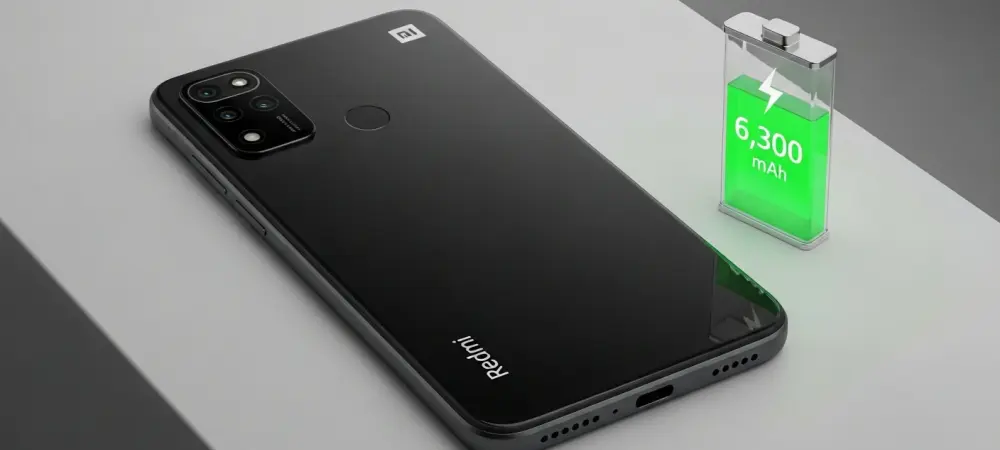
The search for a smartphone that balances a low price with a battery capable of lasting multiple days remains a top priority for millions of mobile users today. Xiaomi has recently addressed this specific demand by unveiling the Redmi A7 Pro 4G in the Indian market, positioning it as a powerhouse for those who value longevity over expensive flagship gimmicks. By integrating hardware that usually costs significantly more, the company is attempting to redefine what an entry-level device can actually achieve in a competitive landscape.
This article explores the specific features and market strategy behind this new release, focusing on how its massive battery and high-refresh-rate display set it apart. Readers can expect to learn about the internal specifications, pricing structure, and the overall impact this device may have on the budget segment from 2026 and beyond.
Key Questions About the Redmi A7 Pro 4G
What Makes the Hardware Design Unique for Budget Buyers?
Modern consumers often feel forced to choose between a smooth screen and a low price point, yet this new model manages to provide a 120 Hz refresh rate on a large 6.9-inch IPS panel. This high frequency ensures that scrolling through social media or navigating menus feels fluid, even though the resolution is kept at 720p to save power. Moreover, the inclusion of an IP52 rating offers a layer of protection against dust and minor splashes that is rarely found in the sub-budget category. The internal processing is handled by the Unisoc T7250 chipset, which is a familiar 12 nm component that balances basic performance with energy efficiency. By sticking to a single configuration of 4 GB of RAM and 64 GB of storage, the manufacturer has streamlined production to keep the costs down for the end user. This setup is paired with a 13 MP rear camera, focusing on functional photography for daily documentation rather than professional-grade imaging.
How Does the Battery Capacity Impact Daily Usage?
The standout feature of this release is undoubtedly the massive 6,300 mAh battery, which significantly exceeds the industry standard of 5,000 mAh. This extra capacity is specifically designed to support the large display and ensure that the phone can easily survive two days of moderate use without needing a charger. Such a feature is particularly valuable in regions where consistent access to electricity can be a challenge or for users who spend long hours away from home.
In contrast to more power-hungry 5G models, the 4G connectivity of this variant allows the large battery to stretch even further. The hardware is optimized to draw less power, making it a reliable companion for long-distance travel or extended work shifts. Consequently, the device targets a demographic that prioritizes a consistent connection and long-term reliability over the highest possible internet speeds.
Summary of Market Positioning
The strategic launch of this device in India highlights a clear focus on value-driven consumers who require dependable hardware without the 5G premium. At a promotional price of approximately $120, it offered a significant discount that made high-end features like the 120 Hz screen accessible to a wider audience. The release successfully bridged the gap between basic utility and modern display technology, reinforcing a commitment to the entry-level segment.
Final Reflections on Value
As mobile technology continues to evolve, the emphasis on battery life and display quality suggests that the entry-level market is becoming more sophisticated. Users should look toward these high-capacity devices as a viable alternative to mid-range phones if they do not require high-speed data. Moving forward, the success of this model will likely influence how other brands approach the balance between battery size and cost efficiency in upcoming regional releases.