

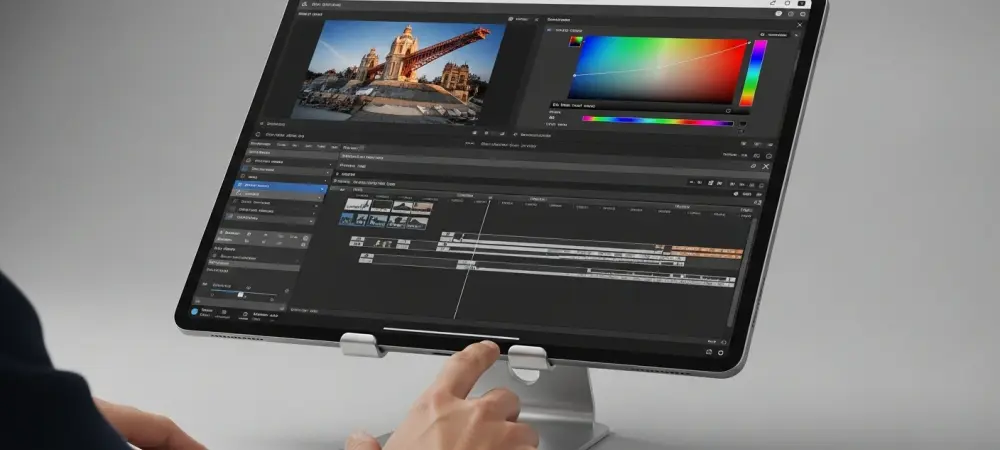
The rapid evolution of mobile silicon has reached a point where the distinction between a dedicated home workstation and a portable flagship is becoming almost impossible to perceive. iQoo’s latest hardware leaks suggest a significant leap forward with the Pad 6 Pro and the 15T, positioning these devices as the new standard for performance enthusiasts. This shift reflects a broader market move toward “ultra-spec” hardware designed to meet the rising demands of mobile-first professionals.
A New Benchmark for Performance: The Rise of iQoo’s Next-Gen Flagships
The mobile hardware landscape is currently witnessing a massive shift toward “ultra-specs,” where the line between professional workstations and portable devices continues to blur. iQoo’s upcoming lineup represents more than just a seasonal update; it is a strategic push to dominate the high-performance niche. Industry observers note that these leaked specifications aim to redefine user expectations for battery longevity and display fidelity in an increasingly competitive market.
This aggressive approach forces a rethink of what consumers should expect from a flagship device. While previous years focused on incremental camera tweaks, the current focus has shifted to raw processing power and extreme screen clarity. The integration of high-end components indicates that iQoo is no longer content being a secondary player, aiming instead to set the pace for the entire industry.
The Engineering Blueprint: Analyzing the Hardware Behind the Hype
The Tablet Titan: Unleashing the Snapdragon 8 Elite Gen 5 and 4K Visuals
The iQoo Pad 6 Pro serves as a showcase for the Snapdragon 8 Elite Gen 5 chipset, a component built to handle intense multitasking and high-frame-rate gaming. With 16GB of RAM and a 13.2-inch 4K LCD panel, the device targets creative professionals who require extreme pixel density for on-the-go editing. While some critics question the choice of LCD over OLED, the sheer resolution suggests a level of clarity that few tablets currently match.
Efficient heat management remains the main concern when driving such a demanding screen. However, rumors indicate that the chipset is specifically optimized to balance high throughput with thermal control, ensuring that the 4K experience remains smooth during prolonged use. This balance is critical for users who intend to use the tablet as a primary workstation for video rendering or complex data processing.
Beyond the Megapixel Race: The 15T’s 200MP Vision and Dimensity Integration
In a different approach, the iQoo 15T utilizes the MediaTek Dimensity 9500, focusing on efficiency and imaging prowess. The most talked-about feature is the 200MP primary sensor, a massive leap from previous 50MP iterations. This change indicates a move toward catering to photography enthusiasts who want the flexibility of high-resolution cropping without losing detail, a task formerly reserved for professional cameras.
By leveraging the advanced image signal processing of the Dimensity chip, the 15T handles massive data streams from the sensor with ease. This integration allows for superior low-light performance and faster shutter response times, challenging the dominance of traditional camera-centric flagships. The combination of high-resolution optics and AI-driven processing ensures that every shot captures professional-grade detail.
Solving the Power Paradox: Massive Batteries for the Modern Power User
Battery capacity is the standout metric here, with the Pad 6 Pro housing a 13,000mAh cell and the 15T featuring an 8,000mAh unit. These numbers are significantly higher than the industry average, directly addressing the energy drain caused by 2K and 4K high-refresh displays. Analysts agree that this move effectively eliminates “battery anxiety” for users who travel frequently.
To support these large capacities, the devices include 90W fast charging. While high-capacity cells often add weight, early reports suggest that innovative cooling and construction materials keep the devices portable and safe during rapid charging cycles. This engineering feat allows users to stay productive for days rather than hours, setting a new bar for endurance in the premium segment.
Market Disruption and the 2026 Competitive Landscape
The May launch in China is a calculated move to seize market share before global rivals update their products. By offering premium features like the Silver Wing colorway and eight-speaker audio, iQoo is transitioning from a value brand to a premium leader. This strategy forces other manufacturers to re-evaluate their flagship standards to avoid falling behind the new performance baseline.
Furthermore, the introduction of multiple colorways and specialized audio systems suggests that iQoo is targeting a lifestyle-oriented demographic alongside its core gaming audience. This diversification is essential for long-term growth. By combining aesthetics with raw power, the brand appeals to a wider range of consumers who demand both style and substance from their mobile technology.
Navigating the New Performance Landscape: What Prospective Buyers Should Know
Flagship performance now demands a balance of high-resolution output and the battery power to sustain it. Buyers should look for ecosystems that can actually utilize 16GB of RAM for complex background tasks rather than just basic app switching. Prioritizing devices like the 15T ensures that the hardware is not just powerful on paper but also functional for demanding daily workflows and professional creative projects.
Understanding the thermal limitations of these high-performance chips is also vital for long-term satisfaction. Users should investigate how different brands implement cooling solutions, as a powerful processor is only as good as its ability to maintain speed under load. Selecting a device with a comprehensive thermal strategy will provide a more consistent experience over the lifespan of the hardware.
The Future of Portable Computing: iQoo’s Bold Vision for Power Users
The leaked details for the iQoo Pad 6 Pro and 15T established a new standard where resolution and battery life were no longer sacrificed for portability. By integrating top-tier silicon with massive energy reserves, the brand solidified its position as a leader for power users. Prospective owners looked toward the official launch with high expectations for a truly seamless mobile experience. These advancements paved the way for a more versatile mobile ecosystem where professional-grade tasks became the norm for handheld devices.