

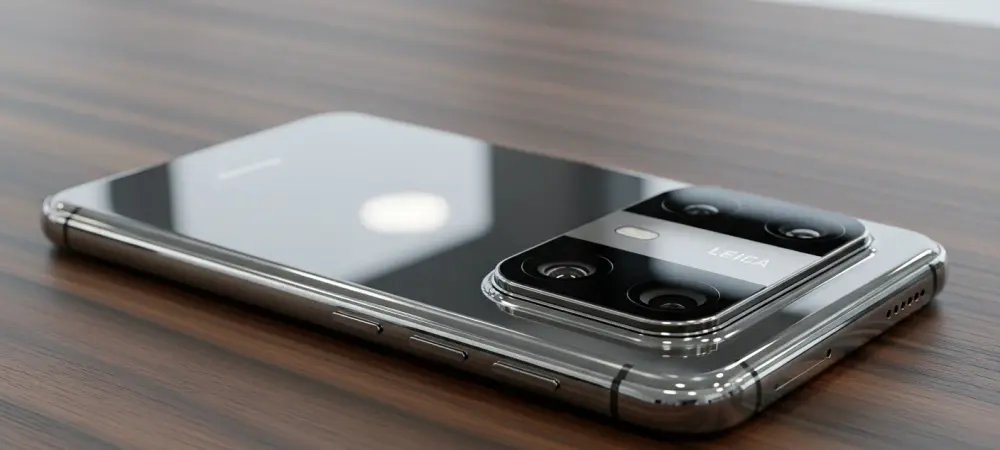
The boundary between portable productivity tools and professional photography gear has blurred significantly with the arrival of a device that fits a tablet-sized power cell into a pocket-friendly frame. The Xiaomi 17 Max marks a decisive end to the era where users had to compromise on battery life to enjoy a sleek, modern aesthetic. By integrating an unprecedented battery capacity with a sophisticated Leica imaging system, this launch proves that “value” models are no longer the secondary citizens of the mobile world but are instead becoming the primary drivers of hardware innovation.
A New Standard: Endurance and Imaging
This release signals a fundamental shift in how manufacturers prioritize internal components for a demanding global audience. While most flagships struggle to survive a full day of intensive use, the 17 Max relies on its massive energy reserve to empower creators and professionals alike. It is a specialized powerhouse crafted for those who have grown weary of carrying external chargers or hunting for wall outlets. The device manages to house its significant internals without feeling overly bulky, maintaining a balance that appeals to both tech enthusiasts and everyday consumers. The strategic integration of high-end optics ensures that the phone remains a top contender for mobile photography. By collaborating with Leica, the manufacturer has moved beyond simple spec-chasing to provide a color science and lens quality that rivals dedicated compact cameras. This combination of longevity and visual excellence creates a unique proposition in a crowded market, where most devices excel in only one of these two critical areas.
The Evolution: The Value Flagship Tier
Modern consumers are rapidly shifting toward “value flagships” that offer premium performance without the four-digit price tags typically associated with top-tier brands. As mobile gaming grows more complex and high-definition streaming becomes the standard for daily commutes, the hardware requirements for a “standard” phone have risen exponentially. The 17 Max enters this space as a direct response to the need for sustained peak performance that does not falter under thermal pressure or rapid battery drain.
This trend reflects a broader change in the industry where the gap between mid-range and ultra-premium tiers is shrinking. Buyers now expect professional-grade sensors and the latest processing power as a baseline rather than a luxury. By focusing on these core pillars, the device challenges the dominance of traditional market leaders, offering a compelling alternative for those who prioritize raw utility and long-term durability over brand prestige.
Technical Prowess: Leica Optics and Snapdragon 8 Elite Power
Beneath the glass, the Snapdragon 8 Elite Gen 5 processor serves as the engine, working alongside up to 16GB of RAM to deliver a seamless user experience. This setup ensures that the expansive 6.9-inch OLED display remains incredibly fluid, whether the user is scrolling through social feeds or editing high-bitrate video. To keep these powerful components running cool, a sophisticated vapor chamber cooling system was implemented, effectively dissipating heat during extended gaming sessions or intensive multitasking. The photography suite is centered around a massive 200MP main sensor with a wide f/1.65 aperture, designed to pull in maximum light for crisp nighttime shots. This primary lens does not work alone; it is supported by dual 50MP sensors that handle ultrawide perspectives and 3x optical zoom duties. This trio allows for incredible flexibility, enabling users to capture everything from sweeping landscapes to tight portraits with professional clarity. The software processing works in tandem with the Leica hardware to ensure that colors remain natural and details stay sharp even after significant cropping.
Redefining Productivity: Massive Power
Battery anxiety remains one of the most cited frustrations for smartphone users, particularly as screens become larger and more power-hungry. The inclusion of an 8,000mAh battery—nearly double the capacity of many competing devices—transforms the smartphone into a reliable tool for long-form content creation and remote work. Analysts suggest that this capacity allows for several days of moderate use or an entire day of extreme workloads, such as continuous GPS navigation or 4K video recording. To make such a large battery practical for modern life, the integration of 100W fast charging was a necessity. This technology allows users to refill the massive cell in a relatively short time, ensuring that the device is ready for another marathon session without being tethered to a cable for hours. The balance between high capacity and rapid replenishment sets a new benchmark for what productivity-focused users should expect from their mobile hardware moving forward.
Pricing Strategy: Global Market Implications
Currently positioned to disrupt the market, the device launched with a starting price of approximately $632 (CNY 4,299), reaching $779 (CNY 5,299) for the highest configuration. While the initial availability is limited to the Chinese market, the aggressive pricing for a phone featuring a 3,500-nit display and 200MP optics has already sent ripples through the international tech community. It establishes a high bar for competitors who must now justify higher prices for hardware that often lacks these specific, high-demand features.
The rollout of this model served as a blueprint for how manufacturers might approach global expansion in the coming months. By focusing on the most tangible benefits—power and photography—the brand managed to capture the attention of a worldwide audience. Future iterations will likely build upon this foundation, pushing other companies to reconsider their own hardware stacks and pricing models to remain relevant in a market that increasingly values high-spec accessibility. This shift suggested a more competitive landscape where the consumer ultimately benefited from better technology at lower costs.