

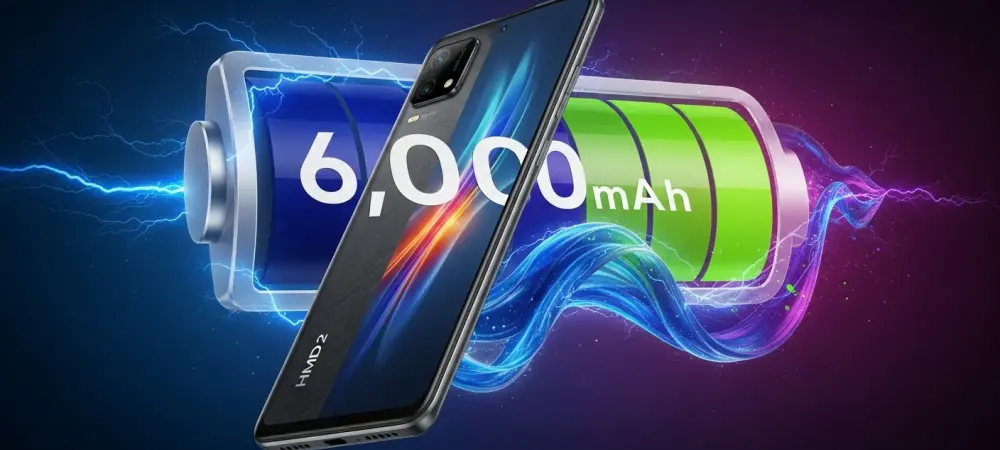
HMD Global has officially redefined what consumers can expect from an entry-level device by integrating premium endurance into a highly accessible package. The arrival of this new handset marks a strategic shift toward democratizing 5G connectivity for a broader audience without compromising the fundamental reliability that users demand from their primary mobile tools. By focusing on the intersection of longevity and modern network speeds, the manufacturer addresses a growing need for devices that can keep up with a fast-paced digital lifestyle on a strict budget.
This analysis explores the specific upgrades that distinguish the latest model from its predecessor while examining how its hardware choices reflect broader industry trends. Readers will find detailed insights into the technical specifications, from the internal processing power to the enhanced display capabilities. The objective is to provide a comprehensive understanding of why this release matters in the current competitive landscape and how it manages to offer high-value features like a high-refresh-rate screen and advanced battery tech at a fraction of the cost of typical flagship alternatives.
Key Questions or Key Topics Section
What Makes the Battery System a Standout Feature?
In a market saturated with devices that struggle to last a full day under heavy use, the decision to include a 6,000 mAh cell provides a significant advantage for rural and urban users alike. This massive capacity ensures that even with constant 5G data usage and high-brightness screen settings, the phone remains functional for extended periods without requiring a tether to a wall outlet. It addresses the common anxiety of power depletion during long commutes or shifts where charging opportunities are scarce.
However, a large battery is only as good as its management and charging speed. The integration of 18W wired charging support allows for a relatively steady recovery of power, ensuring that the device does not spend an excessive amount of time plugged in. By prioritizing raw capacity, HMD has leaned into the practical needs of the budget segment, where a phone is often a primary entertainment and work tool that must remain operational through multiple days of moderate activity.
How Does the Hardware Performance Support 5G Connectivity?
Transitioning into the 5G era requires more than just a compatible modem; it demands a chipset capable of handling increased data throughput without overheating or lagging. The shift to the Unisoc T8200 chipset represents a calculated move to balance cost and capability, providing enough power for smooth multitasking and social media browsing. With configurations reaching up to 6 GB of RAM, the system maintains a responsive feel even when several background processes are active simultaneously.
Furthermore, the storage flexibility offered by the device is a nod to the growing size of modern applications and high-resolution media. While the internal 128 GB of storage is generous for this price point, the ability to expand it up to 1 TB via a microSD card ensures that users never have to choose between deleting memories and downloading new software. This combination of a modern processor and expansive storage creates a solid foundation for a seamless mobile experience that feels surprisingly modern for an affordable handset.
What Visual and Functional Improvements Define the User Experience?
The display has undergone a significant transformation, moving toward a 6.75-inch HD+ LCD panel that now supports a 120 Hz refresh rate. This upgrade is particularly notable because high refresh rates were once reserved for premium models, yet they fundamentally change how fluid animations and scrolling feel to the touch. The larger screen real estate provides a more immersive canvas for video consumption and gaming, which are primary use cases for the target demographic.
In contrast to many modern manufacturers that are removing classic ports, this device retains the 3.5 mm headphone jack, catering to users who prefer reliable wired audio. The inclusion of a side-mounted fingerprint scanner and an IP64 rating for dust and water resistance adds a layer of practical durability and security. These design choices suggest that the manufacturer prioritized a rugged, user-friendly build that can survive the rigors of daily use while maintaining a stylish aesthetic in various color options.
Summary or Recap
The technical evaluation of this smartphone revealed a clear emphasis on battery life and display fluidity as the primary pillars of its value proposition. By combining a 50 MP main camera with a high-capacity 6,000 mAh battery and 5G capabilities, the device successfully bridges the gap between basic functionality and modern requirements. The transition to the Unisoc T8200 chipset ensured that the performance remained consistent with the demands of current software and network speeds.
These insights highlighted a broader shift in the budget segment toward providing specific high-end features rather than mediocre all-around performance. The inclusion of expandable storage and water resistance demonstrated a commitment to long-term usability. For those interested in how these features stack up against the competition, reviewing local carrier deals or checking the availability on major retail platforms would be the logical next step for deeper exploration.
Conclusion or Final Thoughts
The release of this handset demonstrated that high-performance 5G mobile technology no longer required a massive financial investment. It shifted the conversation from what features had to be sacrificed for price to how much utility could be packed into an affordable frame. This approach suggested a future where digital inclusion was driven by durable hardware that empowered users to remain connected regardless of their economic starting point.
Looking forward, consumers should evaluate their own usage patterns to determine if raw battery endurance outweighs the need for high-end gaming processors. As the market continues to evolve, the demand for practical, long-lasting devices will likely push other manufacturers to adopt similar strategies. Navigating this landscape effectively required a focus on which specific hardware upgrades would provide the most significant impact on daily productivity and connectivity.