

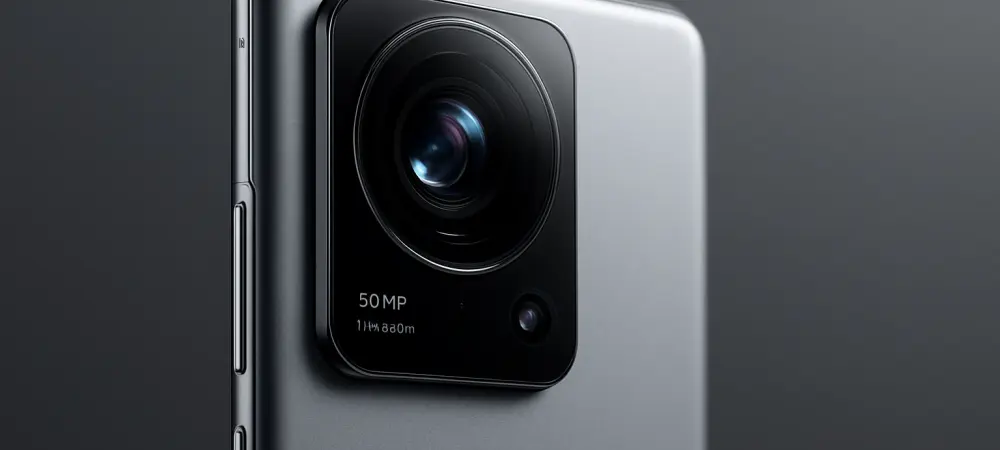
In a world where smartphone innovation drives consumer choices, premium flagships are pushing boundaries like never before, offering features that transform everyday experiences. Imagine capturing a professional-grade photo with a device that fits in your pocket or gaming for hours without worrying about battery life. This scenario is becoming reality with Xiaomi’s latest announcement of a groundbreaking flagship that promises to redefine industry standards. The focus of this review is Xiaomi’s upcoming device, set to make waves in the premium segment with cutting-edge technology and strategic collaborations. This analysis dives into the confirmed features, rumored specifications, and potential impact of this highly anticipated smartphone on the competitive market.
Key Features and Innovations
Advanced Camera Technology with Leica Collaboration
Xiaomi has officially confirmed a deepened partnership with Leica, a leader in camera technology, for its next flagship. This collaboration aims to elevate smartphone photography to new heights, building on previous successes with enhanced hardware and software integration. According to statements from Xiaomi’s CEO, Lei Jun, shared on social media platforms, this joint effort will introduce significant improvements in imaging capabilities.
The expectation is that the camera system will feature a triple-lens setup with notable upgrades over prior models. Industry insiders suggest advancements in low-light performance and dynamic range, positioning this device as a top contender for photography enthusiasts. Such developments could set a new benchmark in a market where visual quality often sways purchasing decisions.
Speculated Performance Enhancements
Beyond imaging, rumors point to substantial upgrades in core performance metrics for this smartphone. Leaks from reliable sources indicate the integration of the Qualcomm Snapdragon 8 Elite 2 chipset, designed to deliver unparalleled speed and efficiency. This processor is expected to handle intensive tasks like gaming and multitasking with ease, catering to power users.
Another speculated feature is a massive battery capacity, potentially around 7,500 mAh, which could offer exceptional endurance. This would address a common pain point for users who rely on their devices for extended periods without access to charging. If confirmed, this combination of power and stamina could make the device a standout in real-world usage scenarios.
Strategic Push for Premium Market Leadership
Xiaomi’s trajectory in the premium smartphone arena reflects a calculated approach to capture market share through rapid innovation. By prioritizing partnerships like the one with Leica, the company is aligning itself with consumer demand for high-quality imaging in flagship devices. This strategy underscores a broader industry trend where camera technology often serves as a key differentiator among top-tier models.
Additionally, Xiaomi’s focus on cutting-edge hardware, such as advanced chipsets, demonstrates a commitment to performance that rivals established giants. The emphasis on delivering value in the high-end segment suggests an ambition to not just compete but to lead. Such moves are critical in a landscape where brand loyalty is increasingly tied to technological superiority.
Practical Applications and Competitive Impact
The potential applications of this upcoming device span a wide range of user needs, from professional-grade photography to immersive gaming experiences. For content creators, the enhanced camera system could mean capturing studio-quality images and videos on the go. This capability would appeal to a growing demographic of influencers and freelancers who prioritize portability without sacrificing quality.
In terms of market impact, the device is poised to challenge competitors by offering a compelling blend of features at a potentially competitive price point. Comparisons to other Ultra-branded flagships reveal Xiaomi’s intent to carve out a significant niche among discerning buyers. Its influence could shift consumer preferences toward brands that balance innovation with accessibility in the premium space.
Potential Challenges and Barriers
Despite the excitement, several hurdles could affect the rollout and reception of this flagship. Market saturation in the premium segment poses a risk, as consumers face an abundance of high-end options from multiple brands. Differentiating in such a crowded field requires not just innovation but also effective marketing to highlight unique selling points.
Pricing presents another challenge, as striking a balance between affordability and premium positioning is crucial. If the cost is perceived as too high, it might alienate potential buyers despite the advanced features. Additionally, supply chain constraints or production delays could hinder availability, a factor Xiaomi must navigate to meet anticipated demand.
Future Prospects and Industry Implications
Looking ahead, the global debut of this smartphone is expected at a major tech event in early 2026, providing a platform to showcase its capabilities to a worldwide audience. This timeline, starting from 2025, indicates Xiaomi’s commitment to maintaining an aggressive release cycle to stay relevant. The event will likely serve as a litmus test for the device’s reception among tech enthusiasts and critics alike.
Speculation around future breakthroughs includes advancements in battery technology or even more seamless integration of AI-driven features. Such innovations could further solidify Xiaomi’s standing in the industry over the coming years. The long-term implications might reshape consumer expectations, pushing other manufacturers to accelerate their own development cycles.
Final Reflections
Reflecting on the detailed exploration, this review highlighted the significant strides Xiaomi has made with confirmed advancements in camera technology through a strengthened Leica partnership. The speculated performance upgrades, including a powerful chipset and substantial battery capacity, underscored the potential for this device to excel in diverse scenarios. Its strategic positioning in the premium market was evident through Xiaomi’s focus on innovation and consumer-driven features. Moving forward, stakeholders and consumers alike should monitor the official unveiling in 2026 for concrete details on specifications and pricing. For those considering an upgrade, evaluating how these features align with personal or professional needs will be key. Xiaomi’s continued emphasis on pushing technological boundaries offers a glimpse into a future where smartphones could become even more integral to daily life, setting an exciting precedent for the industry.