

In an era where smartphone innovation is accelerating at a remarkable pace, the anticipation surrounding new flagship devices often reaches a fever pitch long before their official unveiling, and the latest leaks about an upcoming device from a leading tech giant are no exception. Rumors and insider tips have begun to surface regarding a highly anticipated release expected around the Mobile World Congress (MWC) in early 2026. This device is poised to make waves in the high-end smartphone market with groundbreaking advancements in key areas like imaging and power management. As tech enthusiasts and industry watchers eagerly await confirmation, these early details paint a picture of a gadget that could redefine what consumers expect from premium technology. The focus on cutting-edge specifications suggests a clear intent to challenge competitors and cater to the growing demand for superior performance in everyday devices.
Pushing Boundaries with Camera Innovation
The spotlight of these leaks shines brightest on the rumored camera system, which appears to be a significant leap forward in mobile photography. Speculations point to a 50-megapixel 1-inch main sensor that promises exceptional dynamic range and image clarity, ideal for capturing stunning visuals in diverse lighting conditions. Complementing this is a reported 200-megapixel periscope telephoto lens offering up to 5x optical zoom, alongside a 50-megapixel ultra-wide-angle sensor for expansive shots. This setup marks a notable upgrade over previous models, emphasizing larger sensors and enhanced capabilities that could set a new benchmark for smartphone cameras. Such advancements reflect a broader industry trend toward prioritizing photography as a key differentiator in flagship devices. If these details hold true, the camera array could appeal to both casual users and professional photographers seeking top-tier tools in a portable format, potentially reshaping expectations for mobile imaging technology.
Power and Performance Set to Impress
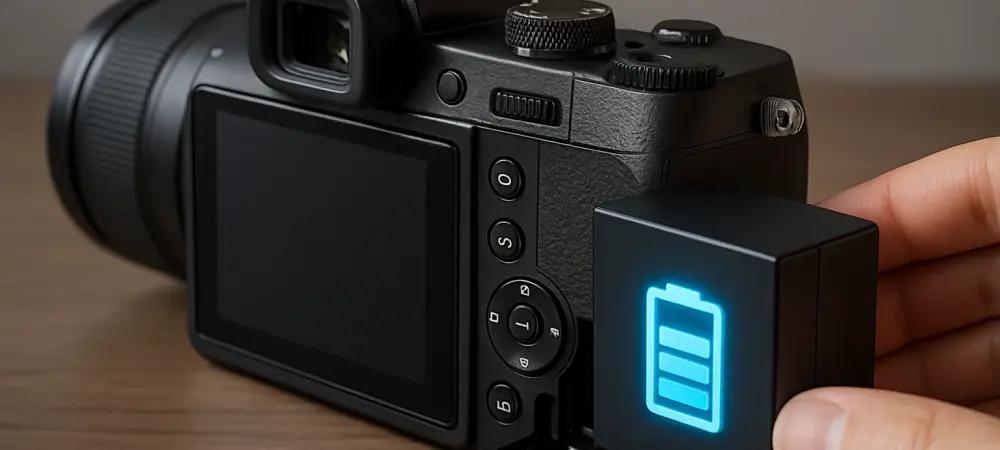
Beyond imaging, the leaks also highlight substantial improvements in battery capacity and overall hardware prowess, addressing some of the most pressing consumer needs. Rumors suggest a battery size ranging from 7,000mAh to 7,500mAh, a dramatic increase compared to earlier models, paired with 100W fast charging and 50W wireless charging capabilities. This focus on extended battery life and quicker recharge times underscores a commitment to user convenience in an always-connected world. Additionally, the device is expected to house the Snapdragon 8 Elite 2 chipset for unparalleled performance, alongside a 6.8-inch LTPO display with 2K resolution and an adaptive refresh rate from 1Hz to 120Hz for optimal visuals and efficiency. With whispers of a premium build featuring a 3D-printed titanium alloy frame and ceramic glass protection, the design hints at durability and sophistication. These leaked specifications, though unofficial, have stirred excitement among tech followers, indicating a device that aims to dominate the premium segment with unmatched power and style.