

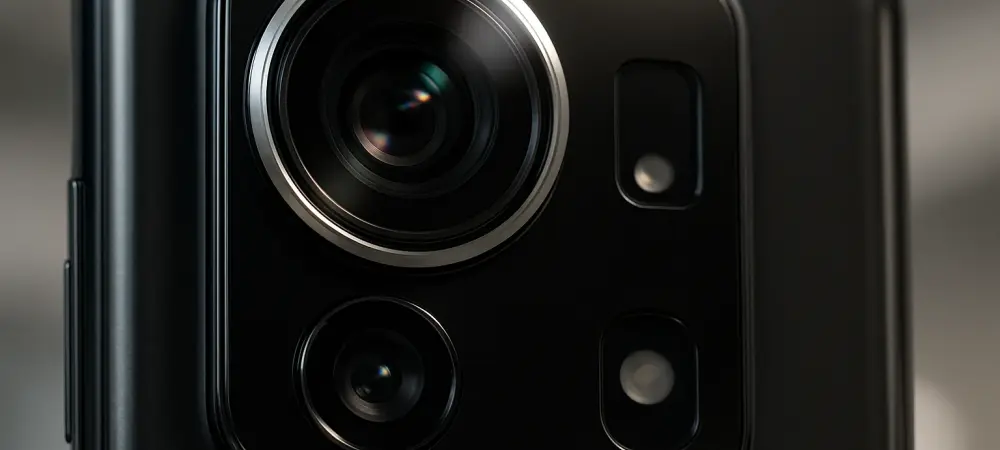
What if a smartphone could capture moments with the precision of a professional camera, transforming every shot into a masterpiece, and what if this technology was accessible to a wide audience? On September 24, the global stage is set for Xiaomi to unveil its latest marvels, the Xiaomi 15T and 15T Pro, devices poised to redefine mobile imaging with groundbreaking camera technology. With whispers of a periscope telephoto lens offering 5x optical zoom on the Pro model, this launch promises to elevate how users see and share their world, sparking curiosity among tech enthusiasts and casual photographers alike.
The significance of this release extends beyond mere hardware upgrades. Xiaomi’s T-series has long been a bridge between flagship innovation and affordability, and the 15T lineup continues this legacy by introducing advanced features like cutting-edge sensors and high-performance displays at competitive price points. As the smartphone industry races toward integrating professional-grade photography into everyday devices, Xiaomi’s latest offering stands as a testament to the democratization of technology, making premium tools accessible to a broader audience.
Capturing Innovation: The Hype Surrounding Xiaomi’s Newest Devices
The buzz surrounding the Xiaomi 15T series is palpable, with social media platforms abuzz after Xiaomi teased the Pro model’s 5x optical zoom capability via a tweet. This feature, equivalent to a 115 mm focal length, hints at a device capable of capturing distant subjects with stunning clarity, a rarity in mid-to-high-tier smartphones. Tech forums are already alight with speculation about how this could transform everything from travel photography to concert captures.
Beyond the camera, the anticipation is fueled by Xiaomi’s reputation for delivering value. With leaked starting prices of €649 for the standard 15T and €799 for the 15T Pro, both equipped with 12 GB RAM and 256 GB storage, the series appears to target users seeking flagship-level experiences without the exorbitant cost. This strategic pricing, combined with teased innovations, positions the launch as a pivotal moment for consumers looking to upgrade their mobile tech.
Xiaomi’s Strategic Play in the Premium Smartphone Arena
In the fiercely competitive smartphone market, Xiaomi has steadily carved a niche by balancing performance with affordability through its T-series. This lineup serves as a precursor to the brand’s flagship releases, offering a glimpse of cutting-edge tech while catering to diverse budgets. The 15T series exemplifies this approach, targeting users who crave high-end features but shy away from the price tags of top-tier models from competitors like Samsung or Apple.
This release also reflects an industry-wide shift toward tiered product lines. By differentiating the 15T and 15T Pro in specs and pricing, Xiaomi addresses varying consumer needs, ensuring that both casual users and tech-savvy individuals find a device that fits their lifestyle. Such adaptability has helped the company gain traction globally, challenging established giants and reshaping expectations in the premium Android segment.
Unveiling the Specs: What Sets the 15T Series Apart
Diving into the details, the Xiaomi 15T and 15T Pro boast impressive hardware designed to captivate. Both models feature a sprawling 6.83-inch AMOLED display with a resolution of 2,772 x 1,280 pixels and an exceptional peak brightness of 3,200 nits, protected by Corning Gorilla Glass 7i. This ensures vivid visuals even under direct sunlight, ideal for content creators and media consumers.
Performance-wise, distinctions emerge between the two. The 15T Pro is powered by the MediaTek Dimensity 9400+ chipset and a 144 Hz refresh rate, outclassing the standard 15T’s Dimensity 8400 and 120 Hz rate, making the Pro a go-to for gamers and power users. Camera systems further highlight the divide, with the Pro’s Light Fusion 900 sensor (50 MP, f/1.62) and 5x telephoto lens (50 MP) promising unparalleled detail, while the 15T offers a Light Fusion 800 sensor (50 MP, f/1.7) and 2x telephoto (50 MP), alongside shared 12 MP ultra-wide and 32 MP front cameras. Battery life rounds out the package, with both devices sporting a robust 5,500 mAh capacity. However, charging speeds differ—the Pro supports 90 W fast charging, perfect for quick top-ups, compared to the standard model’s 67 W. These variations underscore Xiaomi’s intent to cater to a spectrum of user priorities, from photography to performance, within the same series.
Expert Insights: Industry Reactions to the Camera Breakthrough
Tech analysts are already weighing in on the implications of the 15T Pro’s periscope telephoto lens. One respected reviewer remarked, “Offering 5x optical zoom at this price bracket could disrupt the market, challenging even premium flagships.” This sentiment echoes across industry circles, with many noting that such a feature could redefine expectations for mid-range devices.
User anticipation is equally high, as leaked pricing fuels discussions on value for money. The combination of a €799 price point for the Pro and advanced imaging tech has sparked debates on whether Xiaomi is setting a new standard for affordability in high-end photography. These reactions highlight the series’ potential to shift consumer perceptions and influence future smartphone designs.
Maximizing Your Experience: Choosing and Using the 15T Series
For those considering the Xiaomi 15T or 15T Pro, understanding which model aligns with specific needs is key. The Pro variant suits photography buffs who prioritize zoom capabilities with its 5x telephoto lens, while the standard 15T remains a strong contender for everyday imaging at a more accessible €649. Evaluating personal usage patterns—whether for social media snaps or professional shoots—can guide the decision.
Optimizing the device’s features enhances its value. The display’s 3,200 nits brightness is perfect for outdoor viewing, so users should adjust settings for streaming or editing in varied lighting conditions. Additionally, leveraging the Pro’s faster 90 W charging ensures minimal downtime, ideal for those with hectic schedules, while both models’ hefty battery capacity supports extended usage without frequent recharges.
Looking back, the launch of the Xiaomi 15T series on September 24 marked a significant milestone in mobile technology, particularly with its focus on advanced camera systems. Reflecting on the event, it became clear that Xiaomi had successfully pushed boundaries in accessible innovation. Moving forward, potential buyers are encouraged to explore hands-on reviews and compare real-world performance to make informed choices, while keeping an eye on how this series influences upcoming trends in smartphone photography over the next few years.