

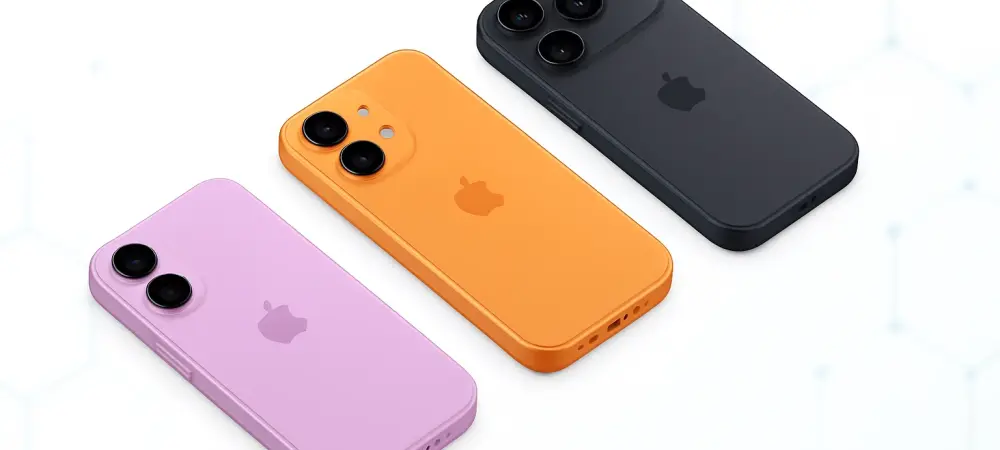
Setting the Scene: Apple’s High-Stakes Product Launch
In a tech landscape where consumer loyalty is hard-won, Apple stands at a critical juncture with its upcoming releases, including the iPhone 17 series, updated Apple Watch models, and AirPods Pro 3. With nearly 70% of current iPhone users expressing interest in upgrading this year according to recent market surveys, the stakes couldn’t be higher, and this analysis explores whether Apple can capitalize on this enthusiasm to reinforce its dominance or if competitive pressures and pricing concerns might dampen the anticipated excitement. The purpose is to dissect market trends, consumer sentiment, and product innovations to gauge Apple’s trajectory in a rapidly evolving industry.
This examination is vital as Apple faces not only the challenge of meeting heightened expectations but also the growing appeal of rivals like Samsung and Google. The focus will be on upgrade intentions, rumored device features, and broader economic factors such as potential tariff impacts. By delving into these elements, a clearer picture emerges of whether Apple’s latest offerings can maintain its reputation for setting industry benchmarks while addressing user demands for practicality and innovation.
Deep Dive into Market Dynamics and Consumer Trends
Upgrade Intentions: A Surge in Demand or Wishful Thinking?
Market data reveals a striking trend: a significant portion of iPhone users are poised to upgrade, with surveys indicating that over two-thirds are considering a new device in the current cycle. Among these potential buyers, 38.1% are drawn to the premium Pro and Pro Max models, 16.7% to the standard iPhone, and 13.5% to the much-discussed iPhone Air. This distribution suggests a strong preference for both high-end features and novel designs, pointing to a consumer base hungry for differentiation. However, skepticism persists about whether these figures reflect genuine intent or merely aspirational interest, especially given that 27.1% of users feel Apple’s innovative edge is slipping compared to competitors.
Beyond raw numbers, this trend underscores a deeper narrative of pent-up demand following incremental updates in recent years. Users appear eager for transformative changes, whether through design breakthroughs or enhanced functionality. Yet, the risk remains that if Apple fails to deliver compelling reasons to upgrade, a portion of this enthusiasm could translate into defections, particularly as Android devices continue to gain traction with aggressive feature sets and pricing strategies.
Pricing Pressures and Performance Priorities
Pricing remains a pivotal factor shaping consumer decisions, with rumors of the iPhone Air carrying a $1,000 price tag raising concerns amid whispers of tariff-driven cost increases. Such economic variables could squeeze Apple’s margins or force higher retail prices, potentially alienating budget-conscious buyers. Market analysis suggests that while Apple’s premium positioning has historically justified steep costs, the current economic climate demands a delicate balance to maintain broad appeal across diverse income brackets.
Performance issues, particularly battery life, also weigh heavily on user minds. Apple is reportedly addressing this with AI-driven optimization for the iPhone Air and efficiency-focused chips in devices like the Apple Watch Ultra 3. These advancements could be a game-changer if they deliver tangible improvements, as battery longevity consistently ranks among top user complaints. Additionally, the transition to eSIM technology, embraced by 72.5% of users but resisted by over a quarter who prefer physical SIM cards, highlights a divide that Apple must navigate carefully to avoid friction in key markets.
Device Innovations: Features Driving Market Buzz
Focusing on the anticipated product lineup, the iPhone 17 series offers a spectrum of upgrades tailored to varied consumer needs. The standard model is expected to feature a 6.3-inch display paired with an A19 chip, while the Pro variants promise enhanced durability, superior camera systems, and an A19 Pro chip. The iPhone Air, at a mere 5.5mm thick with a 6.6-inch display, prioritizes sleek design, though it opts for a single-camera setup, potentially limiting its appeal to photography enthusiasts.
Elsewhere in the portfolio, the Apple Watch lineup—including Ultra 3, Series 11, and SE—introduces brighter displays, advanced chips, and health-focused features like blood pressure monitoring and satellite connectivity. AirPods Pro 3 are set to deliver a compact charging case, improved audio quality, health tracking, and innovative Live Translation capabilities. These developments signal Apple’s intent to blend cutting-edge tech with practical enhancements, though their success will hinge on whether they resonate across global markets with differing priorities and price sensitivities.
Competitive Landscape: Apple vs. Rising Rivals
Shifting to the broader competitive context, Apple faces intensifying challenges from Android manufacturers who are gaining ground with foldable designs and competitive pricing. While 49% of iPhone users remain unmoved by Android’s offerings, a notable segment acknowledges its growing allure, reflecting a subtle shift in market perception. This duality suggests that Apple’s loyal base, while strong, is not immune to temptation if rivals continue to innovate at a faster pace or offer better value. Consumer sentiment also reveals impatience around trends like foldable devices, with 20.1% of users indicating they might switch brands if Apple delays its entry into this space, currently projected for next year or beyond. This pressure underscores the need for Apple to either accelerate its timeline or counter with equally compelling alternatives. The interplay between loyalty and curiosity toward competitors will likely define Apple’s market share trajectory in the near term.
Future Projections: Trends Shaping Apple’s Path
Looking ahead, several emerging trends could influence Apple’s market position. Health-focused wearables, exemplified by features like blood pressure monitoring in the new Apple Watch models, align with a growing consumer emphasis on personal wellness technology. Such innovations could solidify Apple’s foothold in the wearable segment, especially as health metrics become a key differentiator in tech purchases.
On the horizon, economic factors like potential tariffs loom as a wildcard, possibly impacting pricing strategies and consumer affordability. Technological advancements, particularly in AI and chip efficiency, are expected to enhance device performance, addressing longstanding pain points. However, Apple must also contend with the risk of delayed innovation in areas like foldable tech, where a lag could cede ground to nimbler competitors. Market forecasts suggest that a blend of incremental upgrades and bold design risks will be crucial for sustaining Apple’s leadership over the next few years.
Reflecting on Apple’s Market Position and Strategic Next Steps
Looking back, the analysis of Apple’s upcoming product releases paints a complex picture of opportunity and challenge. The iPhone 17 series, alongside refreshed Apple Watch models and AirPods Pro 3, showcases a commitment to innovation through sleek designs and user-centric features. Yet, persistent concerns over pricing, battery performance, and competitive pressures reveal vulnerabilities that Apple needs to address to maintain its edge. For businesses and consumers alike, the takeaway is clear: monitor how Apple balances premium offerings with accessibility, especially in light of economic variables like tariffs. A strategic focus on accelerating trends such as foldable technology, while refining core user pain points like battery life, emerges as vital for future success. Additionally, staying responsive to regional market preferences, particularly around eSIM adoption, offers a pathway to minimize user friction. These considerations provide a roadmap for Apple to not only meet but exceed expectations, ensuring that its next moves continue to shape the tech landscape with lasting impact.