

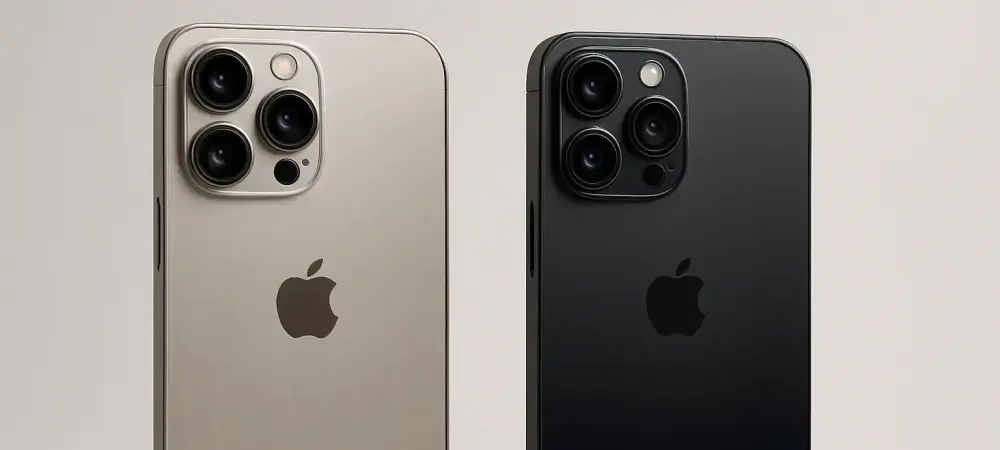
In an era where smartphone innovation drives consumer choices, Apple continues to set benchmarks with each new release, captivating millions of users globally with cutting-edge technology. Imagine capturing a distant landscape with unprecedented clarity or running intensive applications without a hint of slowdown—such possibilities fuel excitement around the latest iPhone models. This comparison dives into the nuances of the iPhone 16 Pro, a proven flagship, and the newly launched iPhone 17 Pro, a device sparking curiosity with rumored advancements. By dissecting their features, this analysis aims to illuminate Apple’s evolutionary path in smartphone design and assist consumers in navigating their upgrade decisions.
Key Feature Comparison: Technology and Performance
Camera Capabilities: Zoom and Image Quality
The camera system remains a cornerstone of Apple’s appeal, and the iPhone 16 Pro offers a robust 5X optical zoom through its 12-megapixel telephoto lens, delivering impressive detail for distant shots. This capability has already positioned it as a favorite among casual photographers and content creators who value clarity without needing professional gear. Its performance in varied lighting conditions further solidifies its reputation as a reliable tool for everyday use.
In contrast, the iPhone 17 Pro steps up with a rumored 8X optical zoom, a significant leap that promises to redefine mobile photography. This enhancement caters specifically to enthusiasts and professionals who require greater reach for subjects far from view, ensuring minimal quality loss even at higher magnifications. Such an upgrade could transform how users approach creative projects, from wildlife photography to detailed event coverage.
The disparity in zoom capabilities highlights a clear advantage for the newer model in scenarios demanding flexibility. For those prioritizing visual excellence, the speculated improvement in the iPhone 17 Pro may outweigh the already commendable features of its predecessor. This shift underscores Apple’s focus on pushing boundaries in imaging technology to meet diverse user needs.
Thermal Management: Cooling Systems
Thermal efficiency plays a critical role in sustaining smartphone performance, especially during resource-heavy tasks. The iPhone 16 Pro incorporates a graphene-based thermal system, an innovative approach to heat dissipation that supports its powerful chip during extended use. However, some users have reported limitations under prolonged stress, such as gaming or high-resolution video recording, where heat buildup can impact functionality.
The iPhone 17 Pro, on the other hand, is said to feature a vapor chamber cooling system paired with an aluminum frame, marking a notable advancement in heat management. This technology, utilizing a vacuum-sealed component with liquid to transfer heat away from critical areas, could ensure consistent performance even under demanding conditions. Such a system is designed to complement the rumored A19 Pro chip, potentially minimizing thermal throttling.
This difference in cooling approaches suggests that the newer model might offer a more reliable experience for power users. Enhanced heat dissipation could prevent the frustrating warnings about device temperature that have occasionally plagued earlier models. Apple’s apparent shift toward sophisticated cooling solutions reflects an intent to address past criticisms and elevate user satisfaction.
Performance and User Experience Enhancements
Performance remains a defining factor in Apple’s flagship devices, with the iPhone 16 Pro delivering exceptional speed and efficiency for most applications. Its hardware handles tasks like 4K video editing and multitasking with ease, catering to a broad audience from casual users to professionals. Yet, during extended high-intensity usage, some constraints in thermal regulation can slightly hinder optimal output.
By comparison, the iPhone 17 Pro’s rumored upgrades in cooling technology could unlock new levels of performance, particularly for cutting-edge features like 8K video recording or ProRes filming. This potential to sustain peak operation without overheating offers a glimpse into a smoother, uninterrupted user experience. Such advancements might appeal to creators and gamers who push their devices to the limit regularly.
Beyond raw power, the focus on reducing overheating warnings in the newer model addresses a persistent concern among users of previous iterations. A device that maintains composure during intensive workloads not only enhances productivity but also builds trust in its reliability. This evolution in user experience could set a new standard for what consumers expect from premium smartphones.
Challenges and Considerations for Both Models
The iPhone 16 Pro, while a formidable device, faces scrutiny for its thermal management during prolonged high-performance scenarios. User feedback has occasionally pointed to discomfort from heat buildup during extended gaming sessions or video shoots, which can interrupt workflows. This limitation, though not universal, suggests room for improvement in maintaining consistent operation under stress.
Meanwhile, the iPhone 17 Pro, despite its promising rumors, carries uncertainties due to the unconfirmed nature of leaked specifications. The integration of advanced technologies like vapor chamber cooling might introduce higher production costs, potentially reflected in the device’s price point. Consumers must weigh the allure of cutting-edge features against the possibility that not all speculated enhancements will materialize as expected.
Additionally, broader considerations such as durability and battery life come into play for both models. Enhanced features in the newer device could strain power consumption, while expectations for ruggedness remain high across Apple’s lineup. Balancing innovation with practicality will be key to meeting user demands, and Apple’s ability to deliver on these fronts will shape perceptions of both smartphones in the competitive market.
Conclusion: Which iPhone Pro Model Suits Your Needs?
Looking back, the comparison between the iPhone 17 Pro and iPhone 16 Pro reveals stark contrasts, with the former’s rumored 8X optical zoom and advanced vapor chamber cooling standing out against the latter’s established 5X zoom and solid performance. These differences underscore Apple’s ongoing commitment to refining user experience through targeted innovations. The iPhone 16 Pro remains a dependable choice for immediate needs, while the iPhone 17 Pro hints at groundbreaking potential for specialized applications. For those deciding between the two, a practical next step involves assessing specific priorities—opt for the iPhone 16 Pro if a tested and reliable device is needed right away, or consider waiting for the iPhone 17 Pro if photography prowess and high-performance stability are paramount. Exploring hands-on reviews and official announcements as they emerge offers a way to validate rumors and make informed choices.
Looking ahead, staying attuned to Apple’s rollout of updates and user feedback provides a pathway to understanding how these devices adapt to real-world demands. Engaging with community discussions and tech forums could further illuminate long-term value, ensuring that the chosen model aligns with evolving needs in a dynamic digital landscape.