

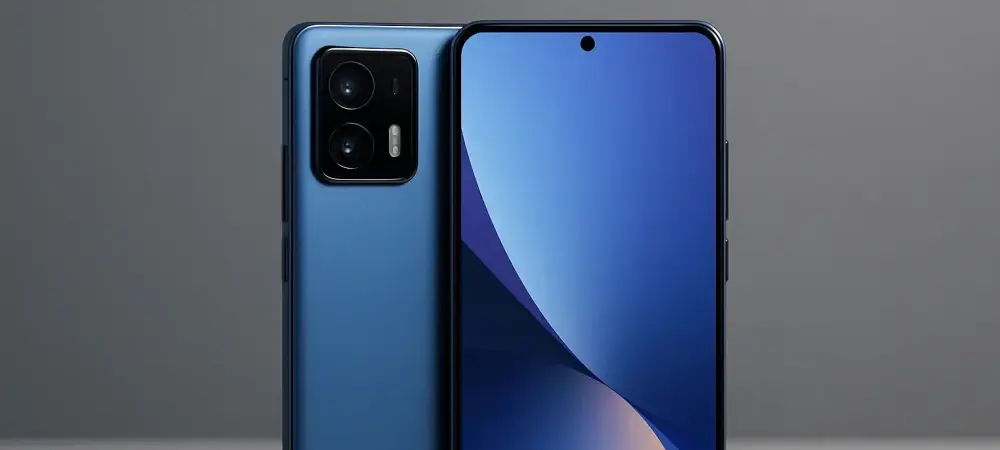
In a tech landscape where smartphone specifications are relentlessly pushed to new heights, the recent appearance of a highly anticipated device in regulatory databases often sparks intrigue and speculation among enthusiasts and consumers alike. The Xiaomi 15T Pro, slated for release alongside a more budget-friendly variant later this year, has surfaced on the Federal Communications Commission (FCC) database in the US under the global model number 2506BPN68G. This early glimpse into the device’s specifications offers a mix of excitement and concern, particularly surrounding a notable shift in its memory configuration compared to its predecessor. As leaks and official filings begin to paint a clearer picture of what to expect, attention has turned to how this upcoming flagship will position itself in a competitive market hungry for cutting-edge performance. The FCC listing provides critical insights into the hardware choices Xiaomi has made, raising questions about whether these decisions will meet the expectations of power users and loyal fans.
Unpacking the Memory Downgrade
One of the most striking revelations from the FCC listing is the apparent reduction in RAM for the Xiaomi 15T Pro, a detail that has caught the attention of tech observers. Unlike the Xiaomi 14T Pro, which boasted a top-tier configuration with 16 GB of RAM, this new model will reportedly start at 12 GB, paired with storage options ranging from 256 GB to a substantial 1 TB. This downgrade is particularly puzzling given that the Redmi K80 Ultra, the base model for the 15T Pro, includes the higher 16 GB RAM variant across its storage tiers. For users who rely on extensive multitasking or run performance-intensive applications, this change could be a significant drawback. While the available storage capacities remain robust and cater to a wide range of needs, the decision to cap RAM at 12 GB feels like a step backward in a segment where competitors often prioritize higher memory to attract power users. This shift might influence consumer perception as the device nears its anticipated launch, with many wondering if other features will compensate for this unexpected limitation.
Broader Specifications and Market Implications
Beyond the memory configuration, the FCC filing and related leaks shed light on additional aspects of the Xiaomi 15T Pro’s hardware, alongside potential implications for its market reception. The device is expected to be powered by the MediaTek Dimensity 9400+ chipset, aligning it with the Redmi K80 Ultra and promising strong performance for demanding tasks. However, a smaller battery capacity of 5,500 mAh—25% less than its base model—could raise concerns for heavy users who prioritize endurance over raw power. Additionally, the absence of microSD card support underscores the importance of choosing the right storage variant at purchase. While the processor and storage options suggest a capable device, the RAM reduction and battery compromise might position the Xiaomi 15T Pro at a disadvantage against rivals. As the launch approaches, Xiaomi faces the challenge of balancing these specs with competitive pricing and undisclosed features to win over a discerning audience. Looking ahead, the final reception will likely depend on how well these trade-offs are addressed in the complete package unveiled to the public.