

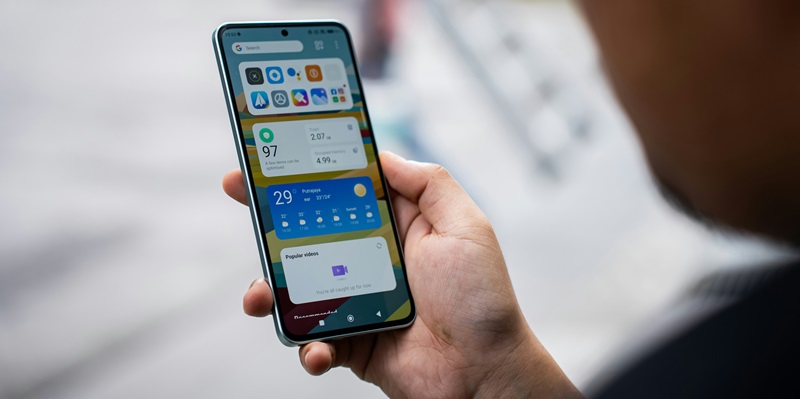
Imagine being stuck on a long flight with no way to charge your phone, making battery life one of the most valuable features in today’s smartphones. In a recent battery endurance test conducted by Tech Droider, the Xiaomi 15 Pro emerged as the new leader, outperforming major flagship smartphones. This assessment compared the Xiaomi 15 Pro with some of the most renowned devices in the market, including the iPhone 16 Pro Max, Galaxy S24 Ultra, OnePlus 12, and Google Pixel 9 Pro XL. The results revealed significant distinctions in battery performance, affirming the Xiaomi 15 Pro’s dominance.
In this extensive test, the Xiaomi 15 Pro garnered attention with its 6100 mAh battery, paired with a Snapdragon 8 Elite processor. The device delivered an impressive endurance of 12 hours and 23 minutes, all while maintaining a relatively low temperature of 43.8 degrees Celsius. This performance placed it well ahead of its competitors, setting a new bar for battery life in flagship smartphones. It is important to note that not only battery capacity but also the efficiency of the device’s chipset contributed to its remarkable endurance.
On the other hand, the iPhone 16 Pro Max, which has long been known for its strong battery life, demonstrated a solid performance but was unable to surpass the Xiaomi 15 Pro. The iPhone’s battery lasted for 11 hours and 16 minutes. However, one significant downside was the device heating up to 50 degrees Celsius, a temperature notably higher than that of the Xiaomi 15 Pro. While still respectable, the iPhone’s performance highlights the impact of newer technologies and advancements seen in the Xiaomi device and subsequent heat management.
Performance of Competitors
Turning to other contenders in the test, the OnePlus 12 showcased a respectable battery performance as well, clocking in at 10 hours and 46 minutes. The device managed to maintain a moderate temperature of 43.6 degrees Celsius, a feat that aligns closely with the Xiaomi 15 Pro’s thermal performance. Despite not claiming the top spot, the OnePlus 12 demonstrated considerable endurance, solidifying its reputation for balancing battery life and device temperature efficiently.
The Galaxy S24 Ultra, another significant player in the flagship category, also benefited from its advanced features and battery capacity. However, it could not reach the same endurance level exhibited by the Xiaomi 15 Pro and the iPhone 16 Pro Max. Its performance was still commendable, making it a worthy alternative for those prioritizing battery life in their smartphones.
Insights and Implications
The findings from this battery endurance test not only highlight the Xiaomi 15 Pro’s superiority but also underline the importance of efficient power management in smartphones. As consumers increasingly demand longer battery life, manufacturers must focus on integrating larger battery capacities and more efficient chipsets to meet these expectations. The Xiaomi 15 Pro’s performance sets a new benchmark in the industry, pushing other manufacturers to innovate and enhance their devices’ battery life and thermal management.