
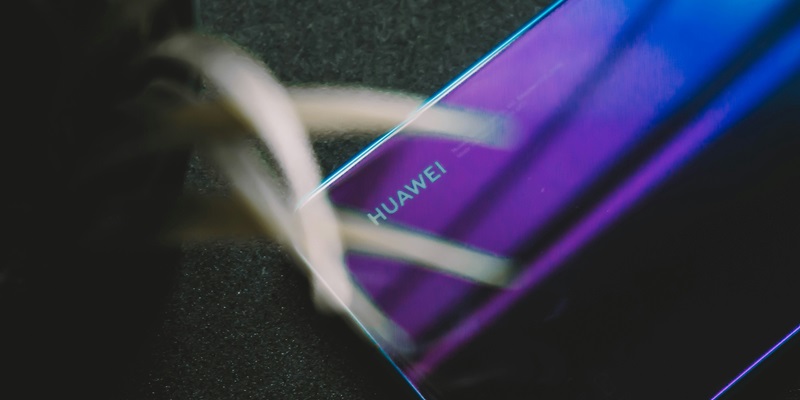
Is Huawei’s Mate 70 Series Launch the Future of Tech and Mobility?

At the recent Guangzhou Auto Show, Yu Chengdong, the CEO of Huawei Consumer Business Group, made an exciting announcement that has intrigued technology and automobile enthusiasts alike worldwide. He revealed that the highly anticipated Mate 70 series is set to launch on November 26. This new lineup is expected to include several models, such as the standard Mate 70, Mate 70 Pro, Mate 70 Pro Plus, and potentially the Mate 70 Ultimate Design, following the pattern set by the previous generation. This announcement shows a strategic move by Huawei to once again align its offerings with the latest technological trends and market demands.

In addition to unveiling the Mate 70 series, Huawei made headlines by announcing their newest venture into the automotive industry. The company is set to launch a luxury car brand named Maextro in collaboration with JAC, as part of its Harmony Intelligent Mobility Alliance (HIMA). This alliance already includes brands like Airo, Luxeed, and Stelato. By integrating their innovation-centric ethos into the automotive sector, Huawei continues to broaden its product portfolio, demonstrating a significant shift from focusing solely on consumer electronics to also addressing the emerging needs of intelligent mobility.

Huawei’s comprehensive launch plan underscores the company’s commitment to not just remaining a technological leader in consumer electronics but to also branching into innovative, future-forward sectors. The decision to introduce both new phones and a luxury car brand at the same event hints at a larger strategy of creating an interconnected ecosystem of high-tech products. This trend aligns with a broader movement among Chinese manufacturers to debut flagship products towards the year’s end, ensuring they stay competitive in the fast-paced and ever-evolving tech market.

As Huawei prepares for this multifaceted launch event, the anticipation surrounding the Mate 70 series and the Maextro luxury car brand highlights the company’s efforts to integrate its technological advancements into an array of products that cater to diverse market segments. By doing so, Huawei is positioning itself at the convergence of cutting-edge technology and sophisticated mobility solutions, aiming to offer a cohesive and interconnected experience for consumers. This bold move could very well signify the future direction for tech and mobility, setting a new standard for innovation and strategic alignment in the industry.

Explore more

Effective Email Automation Strategies Drive Business Growth

The digital landscape is currently witnessing a silent revolution where the most successful marketing teams have stopped competing for attention through volume and started winning through surgical precision. While many organizations continue to struggle with the exhausting cycle of manual campaign creation, a sophisticated subset of the market has mastered the art of “set it and forget it” revenue generation.

How Can Modern Email Marketing Drive Exceptional ROI?

Every second, millions of digital messages flood into global inboxes, yet only a tiny fraction of these communications actually manage to convert a passive reader into a loyal, high-value customer. While the average marketer often points to a return of thirty-six dollars for every dollar spent as a benchmark of success, this figure represents a mere starting point for organizations

Modern Tactics Drive High-Performance Email Marketing

The sheer volume of digital correspondence flooding the modern consumer’s primary inbox has reached a point where generic messaging is no longer merely ignored but actively penalized by sophisticated filtering algorithms. As the global email ecosystem navigates a staggering daily volume of nearly 400 billion messages, the traditional “spray and pray” methodology has transformed from a sub-optimal tactic into a

How Will AI-Native 6G Networks Change Global Connectivity?

Global telecommunications are currently undergoing a profound metamorphosis that transcends simple speed upgrades, aiming instead to weave an intelligent fabric directly into the world’s physical reality. While the transition from 4G to 5G was defined by raw speed and reduced latency, the move toward 6G represents a fundamental departure from traditional telecommunications. The industry is moving toward a reality where

How Is AI Redefining the Future of 6G and Telecom Security?

The sheer velocity of data surging through modern global telecommunications has already pushed traditional human-centric management systems toward a breaking point that demands a complete architectural overhaul. While the industry previously celebrated the arrival of high-speed mobile broadband, the current shift represents a fundamental departure from hardware-heavy engineering toward a software-defined, intelligent ecosystem. This evolution marks a pivotal moment where