

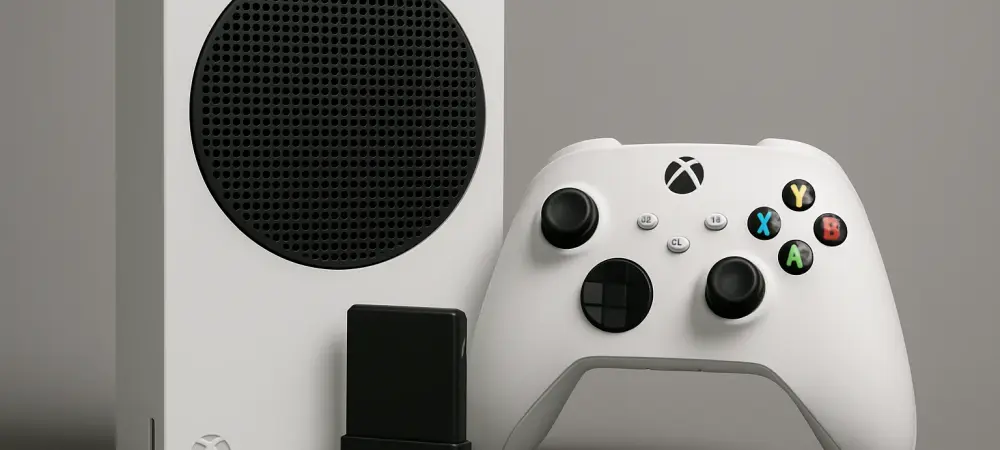
The landscape of gaming technology is constantly shifting, with companies like Microsoft navigating uncharted waters in pursuit of maintaining a competitive edge. The once-coveted Xbox hardware, pivotal in decade-long gaming innovation, now finds itself at a crossroads. The recent statement from Laura Fryer, a key figure in the original Xbox team, asserts a sobering perspective: “Xbox hardware is dead.” With strategic moves like the collaboration with Asus for the ROG Xbox Ally handheld and AMD for chipsets, Microsoft hints at a broader shift. Fryer’s comments shed light on an industry pondering whether Xbox’s grip on hardware innovation may soon loosen in favor of expansive gaming ecosystems.
Features and Performance Evaluation
Initially, Xbox’s allure was largely rooted in its streamlined approach that contrasted sharply with the complexities of PC gaming. This simplicity rendered the game development platform cohesive and undertook a democratization of sorts that opened new avenues for developers. Over time, however, Microsoft altered its approach, steering Xbox towards a reliance on repurposed PC hardware. This was intended to bolster performance capabilities but simultaneously diluted the console’s unique identity in a market flooded with PC alternatives.
The pivot to subscription-focused strategies reveals another layer of Microsoft’s evolving business plan. Subscription services like Xbox Game Pass have emerged as central entities, presenting a vast library of games accessible across various devices. Such services bridge the gap between platforms, diminishing the necessity of purchasing an exclusive Xbox console. The expansion of initiatives like “Xbox Anywhere” further illustrates an industry trend moving toward service-based models as the crux of consumer interaction.
Strategic Shifts and Industry Trends
Recent partnerships signify Microsoft’s reorientation, reflecting a strategic vision that embraces collaboration over hardware exclusivity. Through alliances with tech giants like Asus and AMD, it seeks to augment the definition of gaming experiences. Notably, Asus’ ROG Xbox Ally represents an intriguing shift toward mobile capabilities—a choice emblematic of the “Xbox Anywhere” ethos. This development accommodates the growing preference for gaming on-the-go, aligning Microsoft’s vision with changing consumer dynamics.
Cross-platform inclusivity continues to reward Xbox’s expansion beyond mere hardware limitations. The ability to enjoy seamless gaming experiences across devices dismantles the exclusivity barrier, enticing a broader audience. Yet, this broadly accessible market potentially undermines arguments for purchasing a singular Xbox system, presenting a strategic conundrum.
Challenges and Market Implications
Despite these forward-looking strategies, Xbox faces blockades inherent to its hardware transition. The adaptation of PC components risks muddling Xbox’s distinctiveness, seemingly overshadowed by multi-device compatibility initiatives. Moreover, arising complexities such as technical integration issues challenge Microsoft’s ability to seamlessly bridge hardware innovation with service-oriented models. Observers question the appeal of new hardware releases in a climate that champions accessibility over exclusivity.
Still grappling with maintaining relevance, Xbox’s future could witness diminishing returns should it fail to compensate for its declining hardware sales. Flexible engagement and retention strategies might become pivotal as competitors adopt similar service-first models.
Conclusion: Navigating a Modified Gaming Realm
Microsoft’s strategists have charted a trajectory they hoped would secure Xbox’s position in an increasingly interconnected market. The emphasis shifted from specific hardware advancement towards service innovation as the core business model, challenging traditional perceptions. As Xbox marks its journey onward, it strives to redefine gaming by prioritizing agile adaptation and embracing collaborative initiatives. To ensure sustained relevance, it focuses on marrying service provision with existing hardware strengths while exploring novel avenues for consumer engagement.