

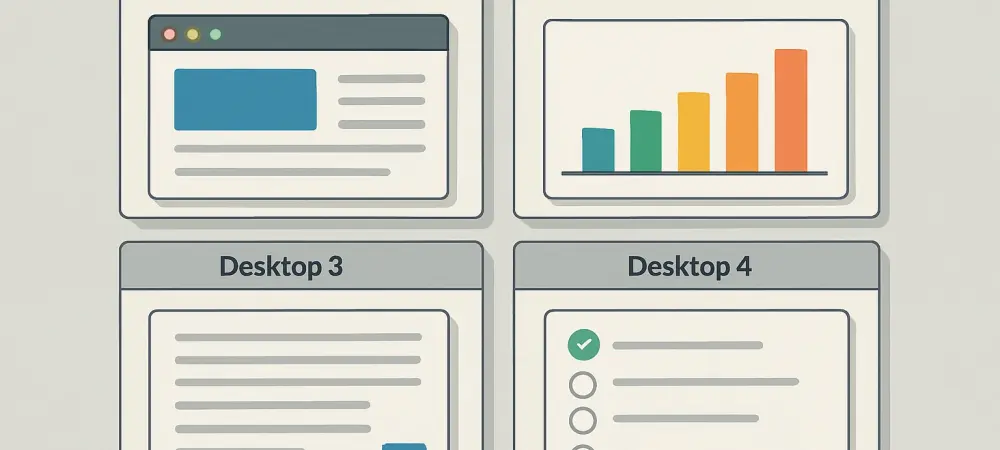
In today’s fast-paced digital age, organizations face constant challenges regarding device security and reliability. A single incorrect move can render office machines unavailable, drastically affecting productivity. Enter Windows 365 Reserve: a service introduced by Microsoft that promises to combat such mishaps by introducing virtual desktops as reliable backup solutions. This service is particularly compelling for enterprises looking to mitigate risks associated with device theft, failure, or loss. With businesses increasingly leaning toward sophisticated cloud solutions, understanding the capabilities and implications of Windows 365 Reserve becomes essential.
Detailed Analysis of Windows 365 Reserve’s Features
Cloud PCs: An Accessible Backup Solution
Windows 365 Reserve offers Cloud PCs, designed to act as temporary replacements for physical computers. Available through a browser, these Cloud PCs aim to replicate the essential functions of a traditional machine, complete with corporate applications and security settings. This virtual environment ensures business continuity, facilitating quick adaptation to unexpected hardware issues. Benchmarks reveal that these cloud-based systems deliver impressive performance, rivaling that of mid-range physical desktops, with low latency and reliable access to synced OneDrive data.
Integration with Microsoft Intune and Enhanced Security Measures
Incorporating Microsoft Intune within Windows 365 Reserve significantly bolsters device management efficacy. This integration simplifies the control process, removing the need for additional interfaces. The service adheres to stringent security policies to protect virtual environments, ensuring enterprise users benefit from secure data access. This comprehensive security approach is critical, considering the sensitivity of corporate information accessed through these virtual desktops.
Emerging Trends and Innovations in Virtual Desktops
Recent developments in virtual desktop technology underscore a broader industry trend toward cloud-driven solutions. As businesses increasingly prioritize operational flexibility, such innovations facilitate seamless remote workforce management and disaster recovery. These shifts are paving the way for more robust enterprise cloud usage models that prioritize speed, security, and accessibility across diverse work environments.
Real-World Implementation and Applications
Deployment of Windows 365 Reserve within enterprises demonstrates its versatility across different scenarios. Instances of rapid deployment during emergencies highlight its effectiveness in maintaining operational continuity. Additionally, unique use cases, such as temporary project-based workstation setups, showcase this service’s adaptability to varied business practices, providing temporary solutions for short-term needs without additional hardware investment.
Challenges and Limitations to Consider
Despite its potential, Windows 365 Reserve faces certain challenges. Technical hurdles include the necessity for a suite of pre-existing Microsoft licenses, potentially limiting access for some users. Additionally, regulatory constraints must be addressed, particularly concerning data sovereignty and compliance within certain jurisdictions. Market acceptance and ongoing refinement will play crucial roles in overcoming these impediments.
Future Directions and Potential for Windows 365 Reserve
Looking forward, the outlook for Windows 365 Reserve appears promising, with continued development poised to enhance its functionality and appeal. Potential improvements in performance and user experience may spur greater adoption. Long-term, the service could profoundly impact how enterprises approach cloud computing and virtual desktops, setting the stage for more widespread reliance on such technologies.
In retrospect, Windows 365 Reserve demonstrated a strategic blend of innovation and practical application during its initial rollout. While certain limitations persisted, its contribution toward streamlining disaster recovery and enhancing remote work flexibility was undeniable. As enterprises continue to navigate the complexities of digital transformation, their ability to adapt to evolving technologies like Windows 365 Reserve will determine their success in harnessing future technological advances.