

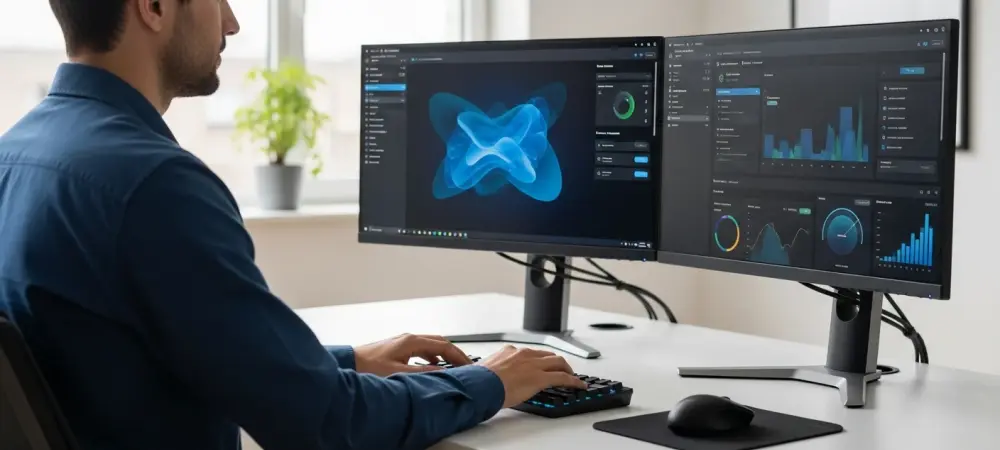
Modern computing environments frequently struggle with the subtle psychological friction of micro-lags, which makes the Windows 11 Low Latency Profile a fundamental shift in how operating systems prioritize instantaneous user intent over traditional energy-saving protocols. This strategic shift acknowledges that modern productivity is often hampered more by interface hesitation than by a lack of raw throughput. By transitioning from general power management toward targeted performance bursts, the system ensures that the perceived speed aligns with the professional requirements of a rapid digital workflow.
Evolution of Operating System Responsiveness
Performance perception has transitioned from long-term stability toward the demand for immediate tactile response. This profile abandons the conservative approach of legacy power plans, opting instead for targeted aggression during user interactions. By reclassifying interface engagement as a critical event, the operating system effectively eliminates the delay that occurs when hardware wakes from an idle state.
Core Mechanisms of the Low Latency Profile
Short-Duration CPU Burst Technology: Instant Execution
The underlying logic utilizes a brief window of one to three seconds where the processor reaches peak clock speeds to execute high-priority commands. This allows the system to bypass background noise and focus entirely on the foreground task. Unlike permanent overclocking, these spikes are surgical, designed to conclude before thermal throttling becomes a factor.
System Interface and Application Optimization: Speed Gains
Benchmarks indicate a seventy percent increase in Start menu responsiveness, turning once-hesitant animations into snap actions. Core software like Outlook also benefits from a forty percent reduction in launch times. This optimization ensures the interface stays ahead of the user’s thought process, minimizing the wait states that plague heavy multitasking.
Current Trends in Hardware-Software Synthesis
Industry standards are pivoting toward perceived snappiness as a primary metric for quality. Microsoft’s testing phase reflects a broader movement to eliminate micro-stuttering by synchronizing software triggers directly with hardware voltage regulators. This synthesis bridges the gap between digital commands and physical execution, creating a seamless bridge between user and machine.
Impact on Productivity and User Experience
This technology provides a significant boost for mid-range systems that often struggle under the weight of background updates. When interactions feel instantaneous, cognitive load decreases, allowing users to remain in a flow state during complex tasks. Third-party applications also see improved fluidity, as the operating system treats their initialization with the same urgency as native tools.
Implementation Hurdles and Technical Constraints
Compatibility remains a significant concern for older CPU generations that may lack rapid voltage switching capabilities. Additionally, the aggressive nature of these bursts poses a challenge for mobile efficiency, necessitating a user-controlled toggle to prevent battery depletion. Balancing these high-frequency demands with thermal reality was the primary hurdle during the initial testing phases.
The Future of Windows Performance Tuning
Looking ahead, these manual bursts will likely evolve into predictive models driven by localized machine learning. Instead of reacting to a click, the system might eventually anticipate movement to pre-spool resources. This trajectory suggests a future where hardware limits are masked by intelligent scheduling, potentially redefining performance standards through 2027 and beyond.
Final Assessment of the Low Latency Profile
The Low Latency Profile represented a bold departure from conservative resource management, proving that responsiveness was as much a software challenge as a hardware one. It established a new baseline for how operating systems should interact with modern silicon to prioritize human perception. Engineers and users alike recognized that the path to true efficiency required a more nuanced understanding of momentary power demands.