

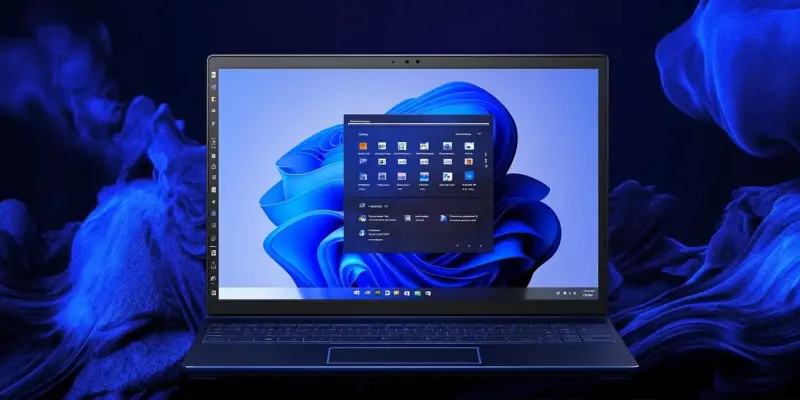
Windows 11 has quickly become a topic of both admiration and critique among tech enthusiasts. Introduced as the latest iteration in the long line of Microsoft Windows operating systems, it has brought to the forefront a blend of nostalgia and contemporary analysis. The reception of Windows 11 has been varied, with users appreciating certain features while lamenting the persistent issue of ads within the OS. This article aims to delve into the evolution of Microsoft Windows, focusing on Windows 11, and offering a comprehensive critique on its current standing amidst its predecessors and competitors.
A Trip Down Memory Lane
For many users, each version of Windows carries a distinct set of memories, be it from playing games to handling professional tasks. The author fondly reminisces about playing games on Windows XP, a version that many consider the epitome of Windows stability and reliability. Similarly, Windows 10 is remembered for managing technical tasks efficiently in early professional settings. These personal anecdotes help illustrate the emotional connection that users often develop with their operating systems.
This nostalgia sets a perfect stage for a deeper examination of Windows 11. By comparing it to its predecessors, one can better understand its place within the historical context of Windows evolution. The reflections not only evoke a sense of sentimentality but also provide a basis for drawing parallels and contrasts, emphasizing how Windows has changed and improved over the years. Each version of Windows signifies a different era in personal and professional computing, marked by its unique features and user experiences.
Improvement Versus Regression
The cyclical nature of Windows OS development has been well-documented, where successive versions alternate in quality and user reception. This cycle is often highlighted by the community, pointing out the high points with Windows XP and Windows 10, and the low points with Windows Vista and Windows 8. Such a pattern has led to mixed expectations with each new release, leading to cautious optimism or outright skepticism among users.
Despite the historical pattern, Windows 11 is argued to break this cycle. The author suggests that Windows 11 represents a refined version of Windows 10, offering incremental improvements that significantly enhance the user experience. From the introduction of features like DirectStorage, which improves gaming performance, to a more expansive and organized settings menu, Windows 11 aims to deliver a smoother and more intuitive interface. It signifies a step forward not only in functionality but also in addressing the growing demands of both professional and casual users.
Taskbar and Start Menu Controversies
One of the most talked-about changes in Windows 11 is the redesigned taskbar, which is centered by default. This shift has upset many long-time Windows users who have grown accustomed to the classic left-aligned position. However, the author notes that this change can be reverted, allowing users the flexibility to configure the taskbar as per their preference. This flexibility offers a semblance of peace to users, which is starkly absent in the highly restrictive macOS.
The Start Menu, another focal point of user interface design, faces significant criticism for being cluttered with ads and redundant applications. This clutter detracts from the otherwise sleek and refined appearance of Windows 11. However, customization options are available to mitigate these issues. Users can tailor their Start Menu, declutter it from unnecessary advertisements and applications, aligning it more closely with their personal or professional needs. Despite the initial pushback, these adjustable elements aim to cater to a diverse user base with varied preferences and requirements.
Competing Operating Systems
In the contemporary operating system landscape, Windows 11 faces fierce competition from ChromeOS, macOS, and Linux. Each system boasts its unique strengths and limitations. For instance, ChromeOS is admired for its simplicity and seamless integration with Google’s suite of applications, making it an ideal choice for educational settings and basic computing needs. However, it is often considered too limited for more advanced tasks and professional requirements.
Similarly, macOS offers a highly polished and user-friendly experience, seamlessly integrating with Apple’s ecosystem. Yet, its highly restrictive nature and lack of customizability often turn away users who prefer more control over their system’s configurations. Linux, on the other hand, is praised for its power and flexibility, often regarded as the go-to OS for developers and tech-savvy users. However, its complexity and steep learning curve make it less appealing to the average user. In this competitive landscape, Windows 11 is presented as a balanced and versatile option that caters to a broad range of user needs.
Environmental and Economic Concerns
A significant barrier to upgrading to Windows 11 is the requirement for TPM 2.0, rendering many older systems ineligible for the upgrade. This requirement has sparked significant criticism for being environmentally and economically unsustainable. It forces users to invest in new hardware unnecessarily, contributing to electronic waste and financial strain on individuals who must replace otherwise functional systems.
The author emphasizes the detrimental impact of this restriction, pointing out that it not only burdens users financially but also has broader environmental implications. In an era where sustainability is increasingly important, such requirements seem counterproductive, accentuating the need for more inclusive and eco-friendly technological advancements. By excluding older systems from upgrading, Microsoft inadvertently contributes to the growing problem of electronic waste, which is a significant concern for both the environment and user finances.
Flexibility and Customization
One of the recurring positive notes in the article is the flexibility and customization potential of Windows 11. Unlike macOS, which offers very little in terms of personalization, Windows 11 allows users significant control over the user interface elements. This flexibility is a crucial advantage for those who value personalization, enabling them to tailor the OS to their specific needs and preferences.
This adaptability is presented as a key reason for the enduring preference for Windows among users. The ability to customize the taskbar, Start Menu, and other UI elements highlights the importance of user control in enhancing the overall experience. It ensures that Windows 11 can cater to a wide range of users, from casual home users to advanced professionals, maintaining its relevance in a diverse and ever-changing technological landscape.
Ads and User Experience
Despite the many positive aspects of Windows 11, the presence of ads within the OS remains a significant drawback. This practice has been widely criticized, especially considering that users have already paid for the operating system. The inclusion of ads within a paid product is seen as intrusive and detracts from the overall user experience.
These ads contribute to user frustration, overshadowing the otherwise refined and user-friendly nature of Windows 11. The author argues for a cleaner, ad-free experience to truly elevate the OS. By eliminating ads, Microsoft could enhance the user experience, ensuring that users can fully appreciate the enhancements and refinements that Windows 11 brings to the table. This change could potentially transform Windows 11 into a more cohesive and enjoyable platform for all users.
Balancing Nostalgia and Innovation
Windows 11 has quickly become a subject of both praise and criticism among tech enthusiasts. Presented as the latest version in Microsoft’s longstanding series of operating systems, it has evoked a mix of nostalgia and modern analysis. The response to Windows 11 has been mixed. Some users are impressed with its new features, while others are frustrated by the ongoing issue of ads within the OS. This article endeavors to explore the evolution of Microsoft Windows with a focus on Windows 11, providing an in-depth critique of its current position relative to its predecessors and competitors. The new interface and functionality have garnered a lot of attention, aiming to blend the familiar with the innovative. However, debates continue about whether these changes truly enhance the user experience or merely add to the clutter. Through examining both the strengths and weaknesses of Windows 11, we can better understand its role in the ever-evolving landscape of operating systems.