

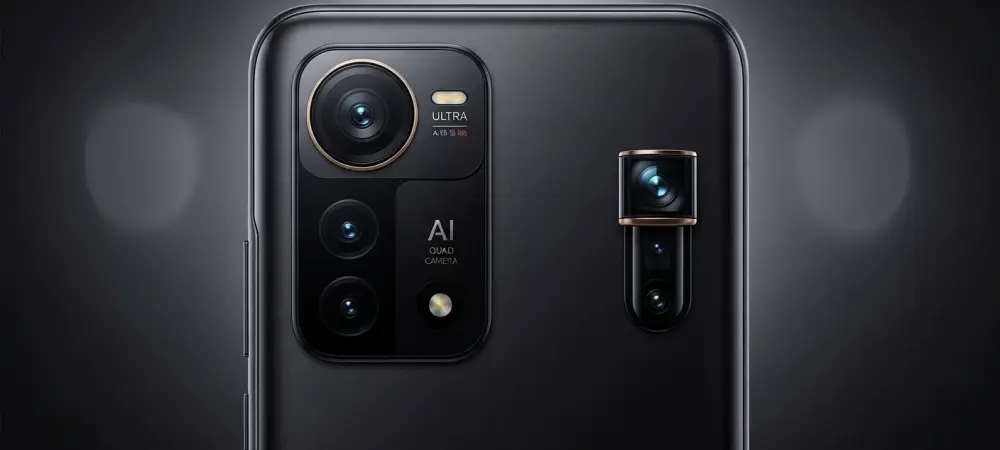
Anticipating the Next Evolution in Mobile Photography
The current global smartphone market is witnessing a tectonic shift as manufacturers move away from incremental updates toward radical hardware redesigns to capture dwindling consumer attention. Xiaomi, in particular, is positioned at the center of this transformation, with its upcoming flagship potentially serving as the definitive benchmark for professional-grade mobile imaging. By analyzing the strategic maneuvers currently unfolding in the supply chain, it becomes clear that the brand is preparing to move beyond experimental mechanics in favor of a more robust, multi-sensor philosophy. This transition signifies a broader industry trend where reliability and specialized optical performance are reclaiming their status as the primary drivers of premium device sales.
From Mechanical Innovation to Multi-Lens Mastery
Looking at the trajectory of high-end mobile optics since the start of this year, the industry has seen a fascinating tug-of-war between physical complexity and sensor count. Previous iterations of the Ultra series pushed the limits of engineering by incorporating variable focal length systems designed to mimic the behavior of professional DSLR lenses with fewer components. However, real-world application revealed that these moving parts often struggled with autofocus speed and long-term wear, leading to a noticeable recalibration in design priorities. This historical context is vital because it explains why the shift back toward a fixed, high-performance quad-camera array is not a step backward, but rather a sophisticated refinement of the user experience.
The Strategic Return to a Quad-Camera Architecture
Engineering Precision and the Power of Dedicated Sensors
The technical rationale for adopting a four-sensor array centers on the objective of achieving unparalleled light intake across all zoom levels. Instead of relying on a single lens to “stretch” its capabilities through mechanical adjustment, a quad-lens solution allows for the integration of specialized glass for ultra-wide, wide, medium telephoto, and long-range periscope shots. This configuration ensures that each focal length is backed by a sensor optimized for its specific task, significantly reducing noise in low-light environments. Furthermore, by eliminating complex internal motors, engineers can allocate more internal chassis space for cooling systems and advanced haptics, creating a more balanced device.
Disrupting the Release Cycle: Challenging Global Leaders
Beyond the glass and silicon, there is a clear shift in how product lifecycles are being managed to maximize market penetration. Current projections indicate that the next flagship cycle is being accelerated, with the standard models likely debuting in September to compete head-to-head with major Western rivals. This “aggressive scheduling” is a tactical move to capture the early holiday shopping wave, ensuring the brand remains top-of-mind when consumer spending peaks. By launching the Ultra variant shortly thereafter, the company can maintain a steady drumbeat of media coverage and technical superiority throughout the busiest retail quarter of the year.
Navigating Technical Challenges and Regional Market Needs
Transitioning back to a quad-array requires overcoming significant hurdles in image processing and color science. Maintaining a consistent “look” across four different sensors is a monumental task that requires immense computational power and custom-tuned image signal processors. Despite these difficulties, market data suggests that power users in European and Asian markets are increasingly demanding dedicated portrait lenses, such as 75mm or 85mm equivalents, which are difficult to replicate with digital cropping. This move directly addresses those professional requirements, positioning the device as a legitimate tool for creators rather than just a high-end communication device.
The Future of Flagship Imaging and Market Competition
As the industry moves toward the next fiscal year, the emphasis is shifting from how many megapixels a sensor has to how effectively multiple sensors can work in tandem. We are entering an era where AI-assisted sensor fusion will allow a quad-camera system to behave as a single, seamless optical unit, blurring the lines between mobile convenience and professional output. Competitors are already taking note, with many expected to follow suit by re-evaluating their own telephoto architectures. This competition will likely spark a new wave of innovation in periscope technology, focusing on larger apertures and faster shutter speeds for moving subjects at a distance.
Key Takeaways for the Tech-Savvy Consumer
For those monitoring these developments, the priority should be on optical versatility rather than purely aesthetic design choices. A quad-camera setup offers a level of creative freedom that dual or triple systems simply cannot match, particularly for those who value high-fidelity zoom and natural bokeh. It is also important to recognize that the quickened release cycles mean that the “latest and greatest” technology is arriving faster than ever, requiring a more discerning eye when choosing an upgrade path. Investing in hardware that prioritizes dedicated optical focal lengths remains the safest bet for ensuring a device stays relevant as mobile cinematography continues to evolve.
Final Verdict on Xiaomi’s Imaging Ambitions
The strategic pivot toward a quad-lens architecture reflected a mature understanding of what professional users actually required from their hardware. By prioritizing sensor specialization over mechanical gimmicks, the brand successfully solidified its reputation as a leader in the imaging space while simultaneously outmaneuvering rivals through clever release timing. This decision-making process highlighted the importance of balancing innovation with reliability, a lesson that resonated across the entire consumer electronics sector. Ultimately, the move toward a more traditional yet powerful array proved that in the world of high-end photography, the quality of the glass and the size of the sensor still reigned supreme.