

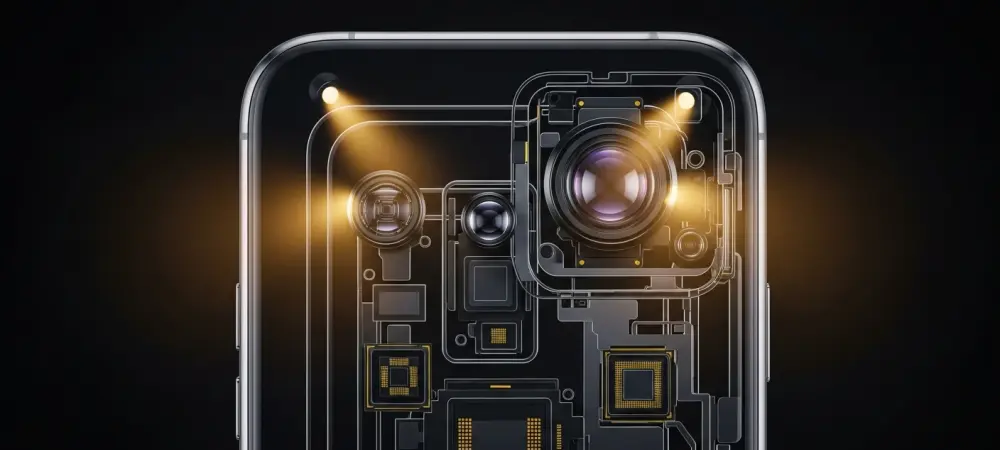
The rapid convergence of high-end optical engineering and mobile computing has reached a definitive tipping point where traditional professional cameras face an existential threat from the pocketable devices currently dominating the flagship landscape. This month marks a significant surge in the mobile market as the premier “Ultra” tier of smartphones prepares for a series of high-profile releases. This new wave follows closely behind the established benchmarks set by the Samsung Galaxy S26 Ultra, the Xiaomi 17 Ultra, and the iQOO 15 Ultra. The prevailing theme across these impending launches is the integration of highly sophisticated, flagship-grade camera systems engineered specifically to push the boundaries of mobile photography. Manufacturers are no longer merely competing on processing speed or display brightness; instead, they have shifted the battleground to advanced optics and sensor technology. These upcoming devices represent a concerted effort by industry leaders to redefine the premium category through unprecedented imaging capabilities that were previously reserved for dedicated equipment.
Evolution of Optical Hardware: The Race for Zoom Superiority
The Oppo Find X9 Ultra is slated to lead this arrival schedule, with a highly anticipated debut in China on March 17 alongside the versatile Find N6. This flagship is defined by an elaborate quad-camera array featuring a specialized 10x periscope zoom lens designed to maintain clarity at extreme focal lengths. Following its domestic premiere, the device is confirmed for a strategic global rollout, ensuring its advanced optical stack reaches international markets quickly. Meanwhile, the Vivo X300 Ultra is projected to enter the fray during the final week of the month in China. While its global availability is expected later in the year, its domestic launch will provide a critical look at how Vivo intends to challenge the established leaders in the high-end segment. Both manufacturers are leveraging the “Ultra” moniker to signify a major departure from standard hardware, prioritizing complex periscope mechanisms that offer users professional-grade versatility without the bulk of a standalone DSLR.
Imaging Innovations: Strategies for the Competitive Future
Huawei solidified its position in this competitive landscape by introducing the Pura 90 Ultra, a device that prioritized massive resolution and light sensitivity. Although full specifications remained closely guarded, industry reports indicated the inclusion of a 200 MP periscope zoom lens paired with RYYB sensors across the entire camera setup to maximize photon intake in challenging environments. This strategic clustering of releases demonstrated a concerted effort by manufacturers to capture market share immediately following the launch cycles of global competitors. To navigate this rapidly evolving market, consumers should have evaluated these devices based on specific use cases, such as long-range telephoto requirements or low-light performance, rather than raw megapixel counts. Future developments likely focused on the seamless integration of artificial intelligence with these large-scale sensors to automate complex exposure adjustments. Stakeholders were encouraged to monitor how these hardware advancements influenced software optimization for a more cohesive experience.