

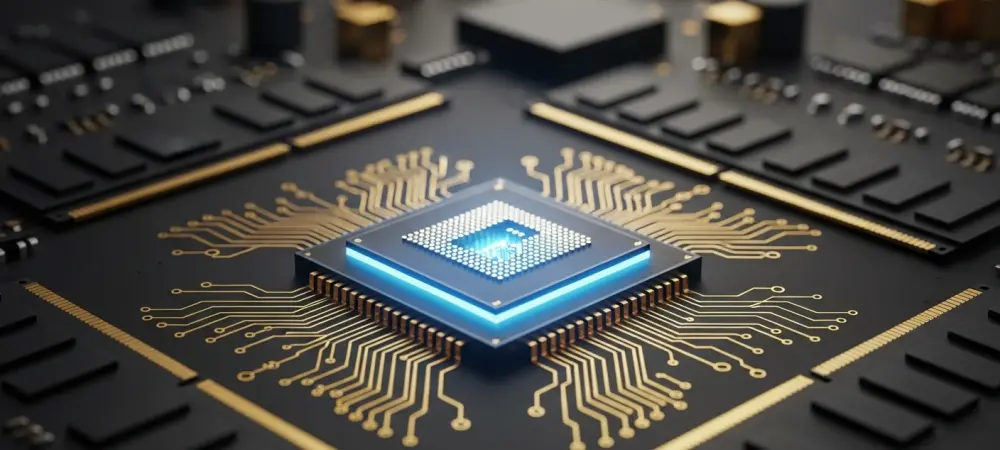
The relentless pursuit of raw processing power has fundamentally shifted the mobile industry from aesthetic refinement toward a specialized era of hardware-driven dominance. While traditional flagships often prioritize camera versatility, a new breed of performance-focused devices is capturing the enthusiast market. Brands like OnePlus and Xiaomi are leading this charge, utilizing the massive influence of MediaTek to challenge established silicon norms and push high-refresh-rate displays into the mainstream. The emergence of the Ultra variant in the sub-flagship segment reflects a growing consumer demand for elite specifications without the luxury premium of a traditional top-tier device.
The High-Performance Smartphone Landscape and the Rise of the Performance Sub-Flagship
Mobile enthusiasts are no longer satisfied with incremental upgrades to camera software or minor design tweaks. Instead, there is a clear migration toward devices that prioritize sustained peak output and extreme battery endurance. This shift has allowed specialized performance lines to gain a significant foothold, often outperforming older flagship models in gaming and multitasking scenarios.
The market has become a battleground for hardware supremacy where OnePlus and Xiaomi act as primary catalysts for innovation. By integrating high-refresh-rate panels and enthusiast-grade chipsets, these players have successfully redefined what users expect from a high-end device. This competition ensures that the boundaries of mobile hardware continue to expand rapidly across the global landscape.
Shaping the Mobile Experience Through Radical Hardware Innovation
Emerging Trends in Battery Density and Display Fluidity
The industry is currently witnessing a transition toward extreme battery capacities, with 8,000mAh units becoming the new benchmark for power users. Engineering breakthroughs now allow these massive cells to fit within slim form factors that do not sacrifice ergonomics for longevity. Simultaneously, display technology is evolving beyond the standard 120Hz, as 165Hz panels become the preferred choice for elite gaming experiences and perfectly fluid interface navigation.
Market Projections and the Competitive Performance Race
Growth projections for the performance segment indicate a massive expansion through the current release cycle. The anticipated rivalry between the OnePlus Ace 6 Ultra and the Redmi K90 Max is set to drive hardware standards to unprecedented levels. With RAM configurations reaching 16GB and storage peaking at 1TB, these devices are establishing a new baseline for mobile productivity and media consumption.
Overcoming Engineering Constraints in the Era of Extreme Specifications
Integrating the Dimensity 9500 and a 165Hz display presents significant thermal management hurdles that require sophisticated cooling solutions. Maintaining a stable temperature during prolonged high-load tasks is essential for preventing performance throttling. Manufacturers are increasingly turning to advanced vapor chambers and, in some cases, active cooling fans to preserve the integrity of the user experience.
Beyond heat, the physical integration of an 8,500mAh battery demands creative internal architecture to keep the chassis manageable. Balancing these elite internal specs with cost-effective camera systems allows brands to maintain a competitive price point. Strategic software optimization plays a vital role here, ensuring that high-performance output remains sustainable and efficient over the life of the hardware.
Navigating Technical Standards and Global Compliance for Next-Gen Hardware
As battery capacities soar, manufacturers must navigate a complex web of international safety regulations and charging standards. High-density cells require rigorous testing to ensure stability during rapid charging cycles. Furthermore, compliance with display health standards regarding blue light emission is mandatory for high-refresh-rate panels to protect long-term user vision.
Data security has also become a focal point as 1TB storage capacities become common, necessitating robust encryption and privacy protocols. Industry certifications now serve as essential validators for performance claims, ensuring that benchmark scores reflect real-world capabilities. These standards provide a necessary framework for transparency in an increasingly competitive technological environment.
The Future of Mobile Power: Beyond the Dimensity 9500 and 8,500mAh Barrier
The innovations seen in the Ace 6 Ultra are expected to trickle down to more affordable consumer devices, eventually standardizing extreme battery life across the market. Solid-state battery technology and integrated cooling systems remain on the horizon as potential disruptors that could further revolutionize device design. There is a visible shift in preference toward endurance over professional-grade photography, signaling a change in how consumers value their mobile tools.
Global economic conditions will continue to influence the accessibility of these high-performance “Ultra” models. While premium hardware remains the goal, manufacturers must ensure that pricing stays within reach of the growing mid-to-high-end demographic. This balance between cutting-edge technology and market reality will define the next phase of mobile evolution.
Final Verdict on the OnePlus Ace 6 Ultra and the Future of Mobile Hardware
The industry reached a critical crossroads where hardware-first strategies proved to be the most effective way to capture the attention of a power-hungry audience. Investors and users found that the focus on extreme specifications created a more durable value proposition than minor aesthetic changes. Ultimately, the move toward massive battery capacities and elite processing power established a roadmap for all future mobile development.