

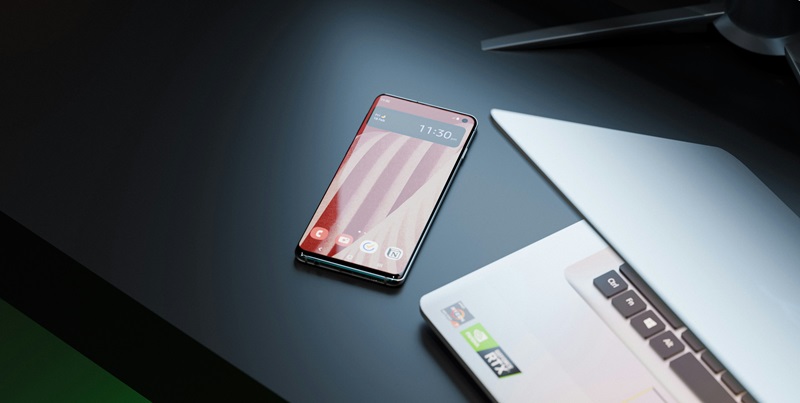
The highly anticipated Samsung Galaxy S25 smartphone series is set to debut soon, and with it comes an interesting update in its range of protective accessories. Notably, the Kindsuit Case, which was previously exclusive to the Galaxy Z series, will now be available for the Galaxy S25 series as well. Leaks from an undisclosed Finnish carrier have unveiled that Samsung plans to release various first-party cases for the Galaxy S25 lineup, including a transparent magnetic case for wireless charging, suitable for all three models in the series. The expansion of the Kindsuit Case to the Galaxy S25 is expected to garner significant attention, particularly in light of previous criticisms regarding its durability.
Introducing the Kindsuit Case to the Galaxy S25 Series
The introduction of the Kindsuit Case to the Galaxy S25 lineup is noteworthy, especially as the case had previously been a point of contention among Galaxy Z Fold 6 users. Offered in Light Blue, Gray, Gold, and Black, the Kindsuit Case’s $89.99 price tag has been deemed steep, particularly given the feedback regarding its durability issues. Numerous users who purchased the case for the Galaxy Z Fold 6 reported that it exhibited signs of wear and tear far sooner than expected. This raised alarms, as the case’s advancement in design and protective features was intended to justify its higher price. The transition from the Galaxy Z series to the Galaxy S25 series places Samsung under scrutiny, as consumers eagerly await to see if the company has addressed these concerns in its newest iteration. Will the Kindsuit Case for Galaxy S25 meet durability expectations, or will it falter just as its predecessor?
Variety of Protective Cases Available for the Galaxy S25 Series
In addition to the Kindsuit Case, Samsung will offer an array of first-party cases for the Galaxy S25 series, providing users with multiple options to safeguard their devices. The cases include a Standing Grip Case, available in White, Gray, and Black; a Silicone Case offered in Red, Mint, Light Blue, Blue, and Black; a Rugged Case in Black; and a Clear Case. Each of these cases is designed to cater to different consumer preferences, from those who prioritize aesthetics to those who need maximum protection. The Standing Grip Case, for instance, is aimed at users who prefer a more ergonomic hold, while the Rugged Case is designed to withstand harsher environments. The variety of selections ensures that Galaxy S25 users can choose a case that best fits their lifestyle and usage patterns. However, despite the diversity in case options, the spotlight remains heavily focused on the Kindsuit Case and its potential to redeem itself in terms of durability.
Balancing Durability with Cost
The eagerly awaited Samsung Galaxy S25 smartphone series is set to launch soon, and this release brings some intriguing updates to its range of protective accessories. Most notably, the Kindsuit Case, previously exclusive to the Galaxy Z series, will now be available for the Galaxy S25 series as well. Leaks from a Finnish carrier have disclosed that Samsung plans to introduce various first-party cases for the Galaxy S25 lineup. Among these is a transparent magnetic case designed for wireless charging, which will be compatible with all three models in the series. The introduction of the Kindsuit Case to the Galaxy S25 is anticipated to attract considerable attention, especially given earlier criticisms about its durability. Furthermore, Samsung aims to enhance the user experience by offering diverse protective options, addressing previous feedback, and ensuring that the new Kindsuit Case meets higher durability standards. This move is part of Samsung’s broader strategy to improve accessory offerings and customer satisfaction.