

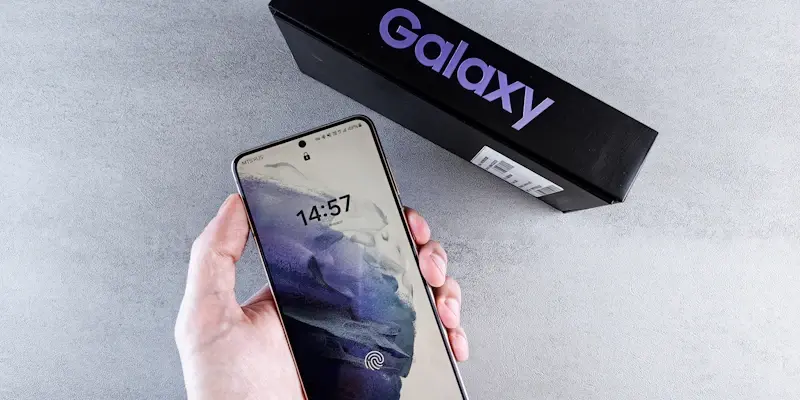
As anticipation builds around the imminent announcement of the Samsung Galaxy S25 series, speculation abounds regarding the new features and capabilities that this flagship lineup will offer. The Galaxy S25, S25 Plus, and S25 Ultra are expected to bring significant enhancements, with reports suggesting the inclusion of crash detection features inspired by the Google Pixel 9 Pro and iPhone 16. These advancements aim to enhance user safety through integrated sensor readings and Artificial Intelligence (AI) technologies.
Advanced Safety Features
The implementation of crash detection technology in the upcoming Galaxy S25 series has garnered considerable attention from the tech community. According to leaked information, this feature will enable Samsung devices to automatically detect collisions using sensor data and AI algorithms, similar to the systems present in the Google Pixel and iPhone models. This capability will allow the devices to promptly notify emergency services in the event of an accident, providing users with a critical safety net. Sources indicate that although Samsung’s OneUI has had a crash detection feature since version 5.1.1, it has remained inactive until now.
The activation of this crash detection functionality within the Galaxy S25 series is expected to offer seamless access without requiring additional installations or configurations. This integration will likely streamline safety features within Samsung’s ecosystem, enhancing the overall user experience. By embedding such technology within its flagship phones, Samsung aims to offer a more comprehensive suite of safety features that could potentially save lives in emergency situations. This move marks a significant step forward in the evolution of smartphone safety capabilities, aligning with broader industry trends toward smarter, more responsive tech solutions.
Enhanced AI Capabilities
In addition to crash detection, Samsung is rumored to be including a 12-month free trial of Google Gemini Advanced with the Galaxy S25 series. This AI service is renowned for its superior logical reasoning abilities and applications in fields such as coding and mathematics. The potential inclusion of Google Gemini Advanced is poised to significantly boost the AI prowess of the S25 lineup, complementing Samsung’s proprietary Galaxy AI suite. This move indicates Samsung’s commitment to integrating top-tier AI technology, providing users with advanced tools for both professional and everyday use.
The Google Gemini Advanced trial is expected to provide users with a taste of premium AI functionality, enhancing the overall value proposition of the Galaxy S25 series. Leveraging Google’s advancements in AI, Samsung aims to fortify its position in the competitive smartphone market by offering cutting-edge technology that caters to both enthusiasts and professionals. This strategic partnership between Samsung and Google highlights a collaborative approach toward pushing the boundaries of what modern smartphones can achieve, setting new standards for integration and functionality across AI platforms.
Design and Competitor Inspiration
Aside from the technological upgrades, there’s speculation that Apple is considering a significant design change for its upcoming iPhone 17, potentially drawing inspiration from Google’s Pixel lineup. The rumored shift involves adopting a camera bar design, moving away from the traditional square layout that has become a staple of Apple’s aesthetics. This potential adoption by Apple signifies a broader trend in the industry, where companies are not hesitant to borrow successful design elements from competitors to enhance their own offerings.
This anticipated design change reflects a growing convergence in the smartphone industry, where manufacturers are increasingly willing to incorporate innovative elements from one another. Samsung’s proactive enhancements to the S25 series through features like crash detection and advanced AI capabilities show a parallel effort to stay ahead in the increasingly competitive market. By embracing such changes, these tech giants ensure that their latest models offer the best in design, functionality, and user experience, continually pushing the envelope of smartphone design and technology.
Conclusion
As excitement grows over the soon-to-be-revealed Samsung Galaxy S25 series, speculation is rampant about the new features and capabilities that this flagship lineup will introduce. The Galaxy S25, S25 Plus, and S25 Ultra are anticipated to deliver major improvements, with various reports hinting at the inclusion of crash detection features inspired by the Google Pixel 9 Pro and iPhone 16. These upgrades aim to boost user safety by leveraging integrated sensor readings and Artificial Intelligence (AI) technologies. The advanced AI will analyze real-time data to accurately detect crashes and promptly alert emergency services, thereby providing an added layer of protection for users. The Galaxy S25 series is also expected to feature enhanced camera systems, faster processors, and upgraded battery life, making it a strong contender in the highly competitive smartphone market. Alongside these innovations, Samsung aims to provide a seamless user experience with the latest software optimizations and a sleek, modern design that will appeal to a wide audience.