

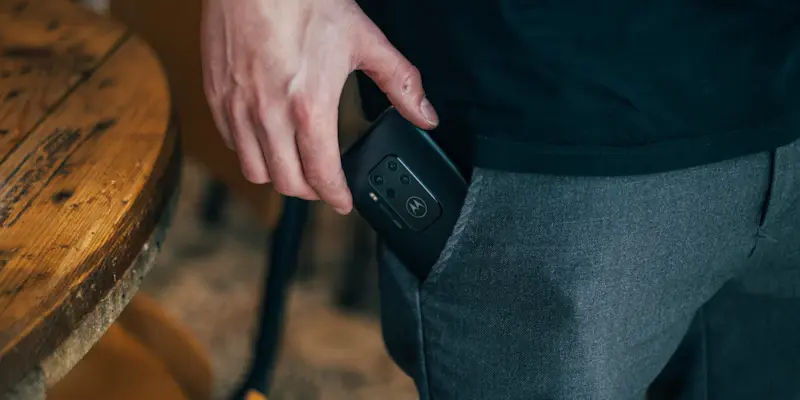
Motorola recently rolled out the much-anticipated Android 15 update for its Edge 50 Pro in phases, starting with users in India. The update introduces the Hello UI and promises smoother graphics, faster app performance, and several exciting new features like screen recording alerts and easier device language switching. Additionally, it brings enhancements to Bluetooth connectivity, satellite messaging capabilities, and accessibility options. The December 2024 Android security patch is also part of this robust update package aimed at enriching user experience and bolstering device security.
However, despite these promising features and enhancements, the actual user experience has not been universally positive. Reports flooding Motorola’s support pages and Reddit forums reveal a consistent pattern of user dissatisfaction following the update. Many users have complained about significant performance setbacks such as sluggish device performance and severe battery drain. These issues have overshadowed the anticipated benefits and led to a mixed reception of the Android 15 update, raising questions about its overall worth.
This mixed reception is concerning, as the Android 15 update was supposed to be a significant upgrade, enhancing the functionality and performance of the Motorola Edge 50 Pro. The sluggish device response and battery drain problems suggest underlying issues that need urgent attention from Motorola. While the new features and improvements could theoretically transform the user experience, the introduction of new bugs and performance issues has left many users frustrated and disappointed.
In essence, the Android 15 update for Motorola Edge 50 Pro presents a nuanced scenario. On the one hand, it brings several beneficial features, improved functionalities, and crucial security patches. On the other hand, the critical performance issues it introduces are substantial enough to mar the overall user experience. Motorola must address these concerns promptly to fully realize the update’s potential and ensure user satisfaction.
In retrospect, the Android 15 update was a paradox for many Motorola Edge 50 Pro users. While it has the promise of elevating the user experience through new features and improvements, it also brought about significant issues that required immediate attention. The next steps should involve Motorola releasing subsequent patches to resolve the performance issues and battery drain complaints to ensure that users can fully benefit from the update without any drawbacks. This situation underscores the importance of thorough testing before rolling out updates to prevent user dissatisfaction and maintain brand reliability.