

Introduction
The massive arrival of high-performance computing in Mount Pleasant marks a definitive shift for Wisconsin as it evolves into a powerhouse for global artificial intelligence development. This transition signifies more than just a corporate expansion; it represents the birth of the Fairwater facility, a cornerstone for Microsoft’s broader digital infrastructure. The site, which was originally designated for different industrial purposes, has now become the epicenter of a multi-billion dollar technological revolution.
This article explores the specific engineering achievements and economic motivations driving this massive project. Readers will gain insights into the scale of construction, the expected job growth within Racine County, and the long-term timeline extending toward 2028. By examining these factors, one can better understand how Wisconsin is positioning itself as a primary destination for the world’s most advanced supercomputing capabilities.
What Defines the Engineering Scale of the Wisconsin Campus?
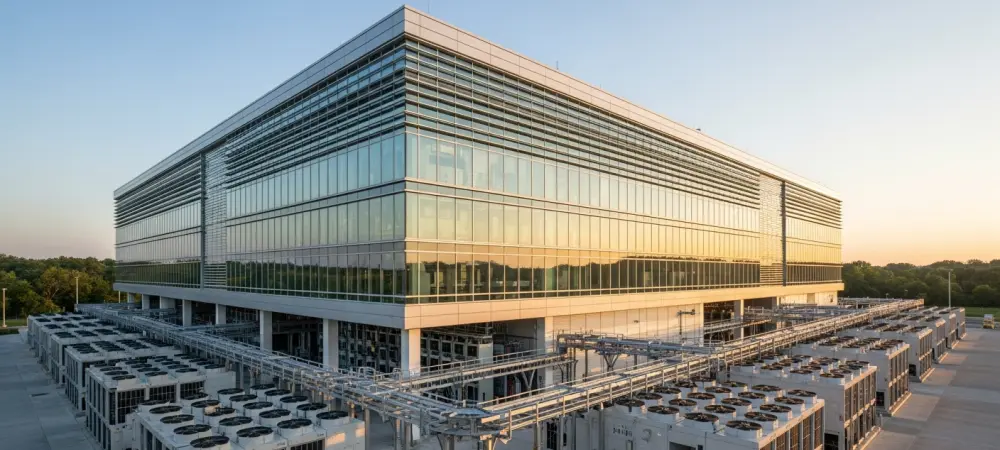
The Fairwater facility serves as a testament to modern industrial engineering, requiring an immense amount of resources to support the next generation of artificial intelligence. To bring this vision to life, crews utilized over 26.5 million pounds of structural steel and installed more than 120 miles of underground cabling. These materials form the backbone of a site that Microsoft leadership identifies as a home for the most powerful supercomputing technology currently in existence.
Repurposing land previously intended for different large-scale manufacturing has allowed the project to move forward with significant momentum. The immense physical footprint is necessary to house the cooling systems and electrical grids required for hyperscale data operations. Such a massive undertaking highlights the sheer complexity of building the hardware that powers modern software and cloud-based innovations.
How Does This Investment Impact the Local Racine County Economy?
The economic footprint of this development is substantial, with Microsoft committing to a total investment of $4.7 billion in hyperscale construction through 2028. This financial influx provides a stable foundation for regional growth, ensuring that Racine County benefits from long-term capital improvements. Beyond the immediate construction phase, the hub is expected to create hundreds of high-skilled jobs, drawing a new workforce into the local community.
Furthermore, the presence of such a high-profile technology campus transforms the geographic area between Milwaukee and Chicago into a vital tech corridor. This shift attracts secondary businesses and service providers that support the data center ecosystem, fostering a diverse economic environment. Local officials view the project as a catalyst for sustainable opportunity that will redefine the industrial identity of the entire region for decades.
What Are the Future Plans for the Facility Expansion?
The initial launch of the operational data center is only the first step in an aggressive expansion strategy that continues from 2026 to 2028. Microsoft has already secured approvals for a 1,000-acre expansion, which provides the necessary space for up to 15 additional data center buildings. This ensures that the campus remains scalable as the global demand for artificial intelligence processing continues to climb.
Construction on the second major facility is currently progressing, with a target completion date set for 2028. This phased approach mirrors successful deployments in other regions, such as Atlanta, suggesting a consistent and proven model for domestic infrastructure growth. By synthesizing massive physical space with cutting-edge supercomputing, the project ensures that Wisconsin remains at the forefront of global technological leadership.
Summary or Recap
The development in Mount Pleasant represents a massive fusion of engineering and economic strategy. By investing billions into the Fairwater facility, Microsoft established a foundation for the most powerful AI infrastructure in the world. The project utilized millions of pounds of steel and extensive cabling to support high-performance computing, while simultaneously promising hundreds of jobs and a new identity for Racine County as a technology hub.
This strategic expansion toward 2028 ensures a continuous pipeline of growth and innovation. The multi-phased construction plan highlights the company’s commitment to the region, bridging the gap between major Midwestern cities. These efforts suggest that the local economy will remain deeply embedded in the global tech landscape, providing a steady stream of opportunities for the workforce and local businesses alike.
Conclusion or Final Thoughts
The project in Mount Pleasant reflected a decisive turn toward a future defined by high-performance data processing and regional revitalization. It was clear that the massive scale of the Fairwater facility served as more than just a construction milestone; it functioned as a symbol of economic resilience. The community observed how a single site could pivot from older industrial plans to a cutting-edge supercomputing center that changed the local landscape.
Moving forward, stakeholders should consider how these technological advancements can be leveraged to support local education and digital literacy programs. Exploring the synergy between global tech giants and local institutions will likely provide the best path for long-term integration. As the facility continues to grow, its presence will undoubtedly inspire further investments in the American Midwest, solidifying its role as a vital node in the world’s digital network.