
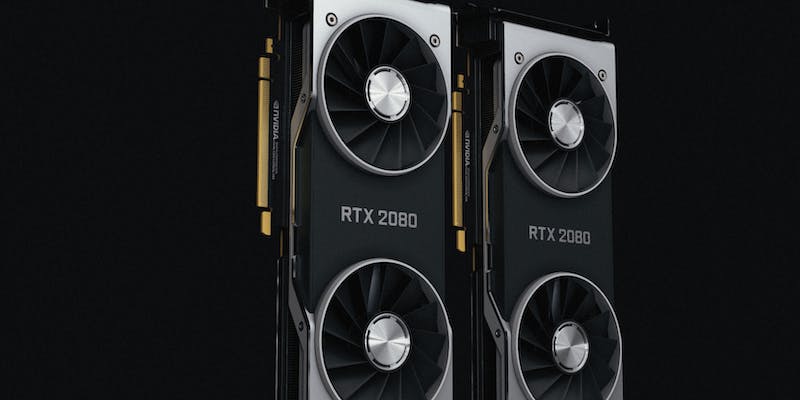
Will Lower GPU Prices Spark a Battle Between Nvidia and AMD?

In the realm of PC gaming, the cost of graphics cards has been a soaring point of discussion for years, but recent developments signal an auspicious downturn for aficionados and budget-conscious gamers alike. The introduction of Nvidia’s formidable RTX 40 series, including the brawny RTX 4070 Ti, RTX 4080, and the prestigious RTX 4090, has catalyzed a ripple effect, with previous generation GPUs succumbing to devaluation. Prices are tumbling more precipitously than in prior cycles of tech turnover, painting a rather exciting canvas for the graphics card market.

A telling example is the MSI Ventus RTX 4070 Ti, whose price point has plummeted to around $720, a notable descent from its launch price. This trend is a clear harbinger of enduring price moderation for such high-caliber GPUs. Retailers are mirroring this trend, further corroborating the shift toward a more affordable landscape for top-tier graphics solutions. This downturn in costs may hint at the shaping of a new norm where cutting-edge graphics power becomes increasingly accessible to a broader audience.

Competitive Dynamics in the GPU Arena

In an intensifying showdown, Nvidia and AMD are vying for supremacy in the competitive mid-range GPU market. AMD’s Radeon RX 7900 XT, aggressively priced, counters Nvidia’s pricing strategy. Nvidia, known for superior drivers and gaming features, typically commands higher prices but is now considering reductions to maintain its edge.

Both giants are approaching a pricing war, which could lead to widespread reductions and bolster GPU accessibility. AMD aims to offer better prices without incurring losses, maintaining its reputation for value. If they undercut Nvidia too much, it could backfire financially.

For consumers, this scenario suggests that waiting might be wise, as prices could drop further. This tug-of-war could erode brand loyalty, with gamers ultimately benefiting as they might secure high-performance GPUs at lower costs. This competitive landscape signifies a potential shift in GPU market dynamics, offering high-end gaming experiences at more affordable rates.

Explore more

Is Windows 11 Becoming the Ultimate Developer Platform?

The traditional rivalry between operating systems has shifted from a simple battle of market shares to a sophisticated competition over which environment provides the most seamless experience for the people who actually build the modern web. At the Microsoft Build 2026 conference, the tech giant signaled a major shift in how Windows 11 serves the engineering community, moving beyond consumer-facing

Why Use Local AI to Refine Your Cloud Prompts?

Advanced practitioners in the field of artificial intelligence are rapidly moving away from the simplistic habit of relying on a single cloud-based chatbot for every creative or technical requirement, opting instead for a sophisticated multi-tiered workflow. Rather than sending every query directly to premium cloud services, users are increasingly utilizing local models as preliminary assistants to address the inherent flaws

Can UiPath Bridge the Gap Between AI Hype and Execution?

The enterprise automation landscape is currently witnessing a paradoxical struggle where technical brilliance and high-value software solutions are clashing with a skeptical investment community that demands immediate monetization of artificial intelligence. While the sector has long been synonymous with Robotic Process Automation, the shift toward generative AI has forced a re-evaluation of long-term market dominance. Investors are no longer captivated

Google Merges Display Ads and Demand Gen for Small Businesses

Navigating the increasingly complex ecosystem of digital advertising has long remained a significant barrier for small business owners who lack dedicated marketing departments. Google has addressed this challenge by streamlining its promotional ecosystem through the integration of traditional Display Ads with the more dynamic Demand Gen campaigns. This strategic shift reflects a broader industry trend toward AI-driven automation, where the

Is Your Front Desk the Newest Weak Link in Cybersecurity?

As sophisticated digital defenses become increasingly difficult for hackers to bypass, the physical reception area has emerged as a surprisingly effective entry point for those seeking unauthorized access to corporate networks. While cybersecurity teams spend millions on firewalls and advanced encryption, a visitor with a simple clipboard and a plausible back story can often walk past the most expensive security