

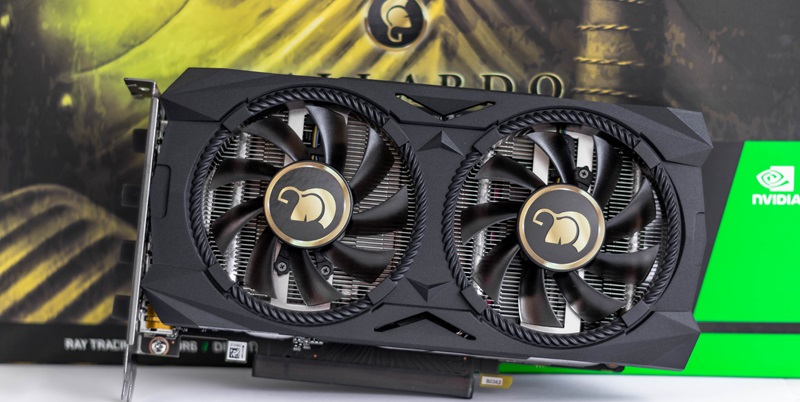
NVIDIA has expanded its GPU lineup with the GeForce RTX 3050 6GB, designed as an affordable option for 1080p gaming enthusiasts. This new addition is set to captivate those using aging cards like the GTX 1650 or GTX 1050 by delivering a significant performance improvement at a competitive price. Targeting budget-conscious gamers, the RTX 3050 6GB aims to make cutting-edge gaming features more accessible. With this release, NVIDIA looks to strike a balance between cost and performance, catering to gamers reluctant to invest heavily but still eager to experience the advancements in current game titles that require more robust graphics capabilities. This strategic move by NVIDIA could potentially shake up the low to mid-range GPU market segment, offering a fresh choice to those wanting to upgrade without stretching their finances.
Unveiling the RTX 3050 6GB: A Game Changer for Budget Gamers?
Bringing RTX Features to the Masses
The NVIDIA RTX 3050 6GB brings groundbreaking RTX features, once exclusive to high-end GPUs, to the cost-conscious gamer. Its support for real-time ray tracing revolutionizes graphics with realistic lighting and reflections. Additionally, NVIDIA’s AI-powered DLSS enhances image quality and boosts frame rates without burdening the system. This lowers the entry point for cutting-edge visual experiences in gaming.
NVIDIA’s move to equip a budget GPU with RTX technology, including AI computations and DLSS, represents a shift in accessible gaming performance. Gamers can now enjoy the perks of DLSS’s machine learning efficiency, ensuring smoother gameplay with impressive visuals. The RTX 3050 6GB isn’t merely about affordability; it’s a gateway to superior gaming experiences, presenting a level of detail and fluidity previously unattainable at this price bracket.
Power Efficiency Meets Accessibility
NVIDIA’s RTX 3050 6GB variant stands out as it forgoes an external power plug, drawing power directly from the PCI-E slot, which is ideal for smaller or older PCs. This design not only simplifies installation but also broadens compatibility, underscoring NVIDIA’s dedication to making GPU upgrades accessible and convenient for a diverse range of users. Particularly beneficial to those with pre-built or mini-ITX systems, the card’s seamless integration allows for a straightforward enhancement of gaming performance without the need for power supply changes or case adjustments.
The external power connector-free RTX 3050 6GB reflects NVIDIA’s commitment to serving the needs of small form factor PC owners and those seeking hassle-free upgrades. By optimizing power efficiency within the PCI-E slot’s limitations, NVIDIA presents a power-efficient GPU option that appeals to upgraders not keen on complex hardware reconfigurations or power supply modifications.
Balancing Budget and Performance: The RTX 3050 6GB Specs
A Close Look at Hardware Configuration
The NVIDIA RTX 3050 6GB is a slightly pared-down counterpart to the 8GB version, offering 2304 CUDA cores and a base clock of 1470 MHz. This particular model features 6GB of GDDR6 memory across a 96-bit memory bus, a strategic choice aimed at delivering an optimal 1080p gaming experience while keeping costs down. Despite having less memory and a reduced memory bus width compared to the 8GB variant, the 6GB version holds its own by efficiently balancing performance and affordability. It retains the same underlying GA107 architecture, ensuring that gamers can enjoy modern games without the necessity of a more extensive and power-hungry setup. This GPU variant showcases NVIDIA’s commitment to serving various market segments, offering a well-rounded gaming solution tailored for budget-conscious players who are still looking for solid performance.
Design Choices Shaping User Experience
The design of the RTX 3050 6GB speaks directly to those seeking a straightforward and efficient GPU upgrade. Its small form factor and self-sufficient power draw mean it can be seamlessly introduced into an existing setup, allowing even the less tech-savvy gamers or first-time upgraders to benefit from improved gaming performance. This ease of installation, coupled with non-reliance on external power, underscores NVIDIA’s aim to lower the barriers to entry for modern gaming experiences.
NVIDIA has molded the RTX 3050 6GB to be promptly adopted by a market segment that values low power consumption and a simplified setup process. The design choices resonate with users who may have been excluded from the incremental upgrades due to the complexities often associated with GPU installations. The transition to a more potent GPU becomes less daunting as the RTX 3050 6GB marries performance with uncomplicated integration.
Market Positioning and Competition
Facing Off Against AMD and Intel
The RTX 3050 6GB enters a competitive scene, squaring off against offerings like Intel’s Arc A580 and AMD’s RX 6600 8GB. What sets NVIDIA apart lies in its well-established ecosystem, including a robust driver network and developer support, which can be deciding factors for consumers. NVIDIA’s RTX line has garnered a reputation for quality and reliability, and this can sway the market in favor of the RTX 3050 6GB when potential buyers weigh their options.
Beyond the mere specs, NVIDIA’s sway with gamers, born of an established ecosystem and compelling exclusives like ray tracing and DLSS technology, affords it a tangible advantage. When matched against Intel and AMD’s comparable models, the RTX 3050 6GB doesn’t just compete on paper—it carries the weight of a brand recognized for pushing the boundaries of gaming technology.
The Upper Hand Over Less Powerful Options
The NVIDIA RTX 3050 6GB GPU excels against competitors like Intel’s Arc A380 and AMD’s RX 6500/6400 series, particularly for budget-conscious gamers who don’t want to skimp on features. Unlike these entry-level alternatives, the RTX 3050 balances cost with superior performance, offering advanced capabilities like ray tracing and DLSS that others in this price bracket lack. This graphics card isn’t just about basic specs; it’s engineered to maximize its performance potential efficiently. As a result, it’s a prudent choice for those seeking a budget-friendly option without sacrificing future-readiness. NVIDIA has smartly positioned the RTX 3050 6GB to cater to gamers who demand a more robust feature set alongside competitive performance, making it a standout in its class for its well-rounded offering within its price range.
The Role of RTX 3050 6GB in NVIDIA’s Portfolio
Offering Variety Across the Spectrum
NVIDIA’s introduction of the RTX 3050 6GB offers a blend of affordability and advanced features within its RTX 30 Series. This move signals the company’s commitment to making cutting-edge gaming technology widely accessible. Despite being an entry-level card, the RTX 3050 6GB boasts capabilities previously reserved for higher-end models, bringing NVIDIA’s renowned performance to a larger audience.
Through this addition, NVIDIA ensures that gamers with varying budgets can still experience the essence of the RTX lineup. The RTX 3050 6GB stands as a testament to NVIDIA’s strategy to not only lead in the GPU market but also cater to the needs of the entire gaming community. Consequently, this strategic release strengthens NVIDIA’s portfolio by integrating top-tier features into a more price-conscious product, demonstrating inclusivity in high-performance gaming.
Considerations for Budget-Conscious Gamers
The RTX 3050 6GB is a balanced choice for users upgrading from older, less powerful GPUs. While it offers 2GB less VRAM and fewer cores than its 8GB counterpart, the enhanced gaming experience it provides might outweigh these limitations, especially for price-sensitive gamers. This GPU is specifically designed to elevate the gaming experience at an affordable cost, making it a strategic pick for those who prioritize budget-friendliness without sacrificing modern gaming capabilities.
Considering the benefits of RTX technology, the RTX 3050 6GB is an appealing option for those seeking good performance at 1080p without breaking the bank. Although it may not be crowned the unrivaled budget king, NVIDIA’s offering stands out as one of the most well-rounded and future-proof choices for gamers looking to enjoy the latest features. In essence, the RTX 3050 6GB strikes a delicate balance between cost and performance, making advanced gaming accessible to a broader audience.