

Dominic Jainy, a seasoned IT professional with deep expertise in artificial intelligence and blockchain, offers a unique perspective on the shifting landscape of global digital infrastructure. As Japan seeks to decentralize its technology hubs, Jainy explores the strategic transformation of Ishikari into a premier data center cluster. This discussion highlights the synergy between renewable energy, regional safety, and high-performance computing needs that are driving massive investments on the island of Hokkaido. The conversation covers the collaborative efforts of industry giants to create a resilient digital backbone that balances industrial growth with local community value.
How is the collaboration between NTT East, Tokyu Land, and Sakura Internet shaping the future of Ishikari as a digital hub?
The formation of this consortium represents a massive shift in how Japan approaches its digital infrastructure by moving away from a Tokyo-centric model. By bringing together power and telecommunications infrastructure operators like Kyocera and Broadband Tower, they are creating an “unprecedented DC cluster” that is designed for high reliability. NTT East brings immense operational experience to the table, already managing roughly 30 data center locations across major cities like Tokyo and Yokohama. This partnership allows for a synchronized effort to harden the power grid and communication lines specifically for data-intensive operations. You can feel the ambition in this project as they work to ensure that local businesses and citizens feel the social value of being at the heart of Japan’s tech evolution.
Why is the Ishikari region on the island of Hokkaido specifically targeted for such a massive infrastructure project?
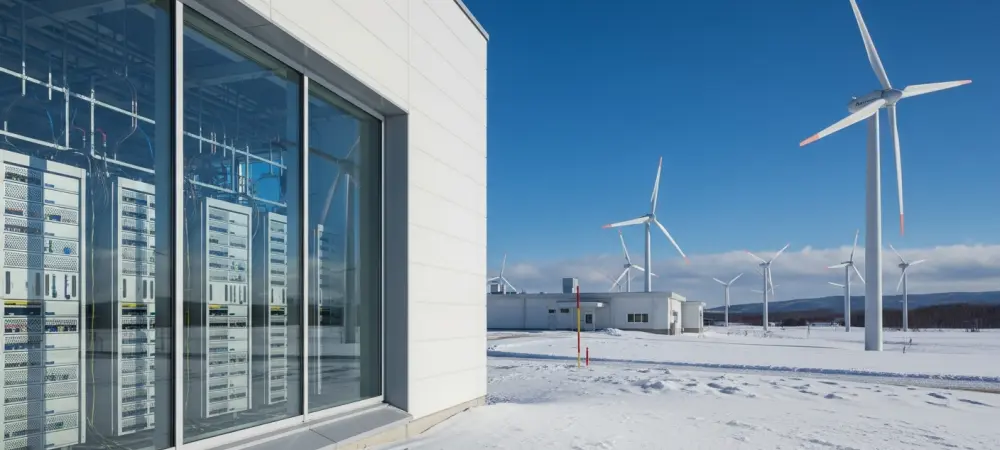
Ishikari offers a rare combination of geological safety and environmental resources that are difficult to find near the existing hubs in mainland Japan. The Ishikari Bay New Port area provides ample renewable energy resources, which is essential for companies aiming to meet modern sustainability targets without sacrificing power. Furthermore, the region is recognized for having low disaster risks, a critical factor for facilities that must guarantee 100% uptime. While Hokkaido currently has 9 data centers primarily centered around Sapporo, the move to Ishikari allows for a more sprawling and specialized cluster. It is a strategic decision to build where the climate is naturally cooler and the land offers the stability needed for long-term industrial investment.
What role does the integration of local governance and renewable energy play in making this vision a reality?
The collaboration goes beyond private companies, involving local government and specialized entities like Ishikari Regional Energy LLC to create a supportive environment for development. They are actively establishing incentives to attract new developers, making the city a magnet for high-tech investment. This initiative ensures that the necessary power and communication infrastructure is not just functional, but optimized for the massive energy draw of a modern data hub. By involving partners like Liene Inc. and HotNet, the consortium ensures that the infrastructure serves both the industrial cluster and the regional connectivity needs. It is a holistic approach where the local government acts as a partner in building a sustainable, green-powered digital ecosystem.
How does the expansion of specific hardware, like the deployment of GPUs at Sakura Internet, reflect broader trends in the data center market?
The focus has shifted from simple data storage to high-intensity processing, as evidenced by Sakura Internet’s continuous expansion of its Ishikari site since 2011. They are now deploying high-end GPUs at the facility to support the exploding demand for AI and machine learning workloads. This trend is further supported by the 15MW data center project launched by Tokyu Land and its partners, which is scheduled to go live this year. These facilities are being built to handle much higher power densities than the traditional data centers of a decade ago. It highlights a pivot toward specialized infrastructure that can sustain the thermal and electrical loads required for the next generation of digital services.
What is your forecast for Ishikari’s role in the global data center ecosystem?
I forecast that Ishikari will become the primary blueprint for sustainable, decentralized data hubs in Asia over the next decade. With the 15MW facility launching in 2024 and the ongoing integration of wind and renewable power, this cluster will likely attract global tech firms looking for green alternatives to overcrowded metropolitan sites. The transition from the 9 existing centers in Hokkaido to a massive, dedicated cluster in Ishikari signals a permanent shift in Japan’s digital geography. As the demand for GPU-heavy AI processing grows, Ishikari’s combination of cool weather and renewable energy will make it one of the most cost-effective and resilient locations in the world. It is not just a regional project; it is a vital step in making the global digital economy more stable and environmentally responsible.