

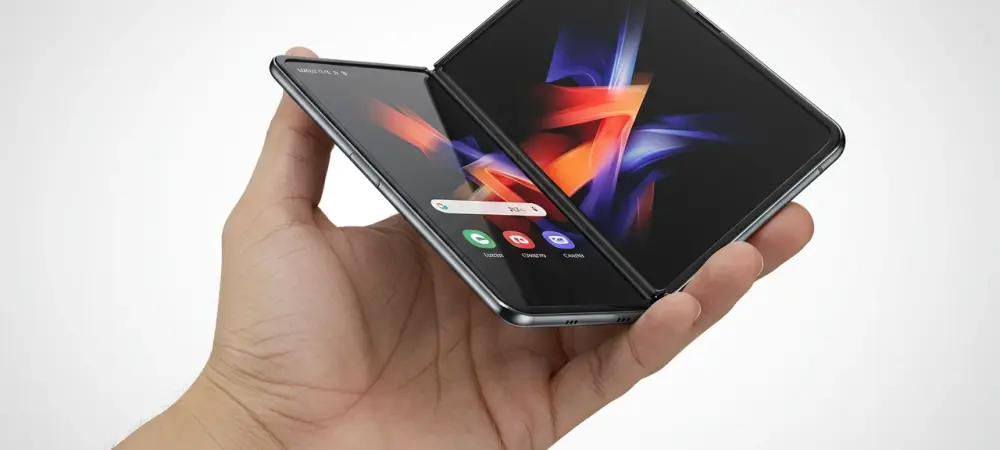
In today’s technology landscape, staying ahead of the competition requires constant innovation and the ability to adapt to user feedback. Dominic Jainy, a seasoned IT professional with extensive expertise in artificial intelligence, machine learning, and blockchain, shares insights into the Samsung Galaxy Z Fold 7. In this interview, we explore the evolving design decisions, performance enhancements, and strategic considerations behind Samsung’s latest foldable phone.
Can you explain the key design changes in the Samsung Galaxy Z Fold 7 compared to its predecessor?
The most notable design change in the Galaxy Z Fold 7 is the removal of the metal camera rings that were previously used in the Galaxy Z Fold 6. Samsung decided to drop the ‘Saturn Ring Design’ primarily due to criticism from users who found the thicker metallic rings around the lenses to be less appealing. The feedback from the Galaxy S25 series influenced this decision, suggesting that user preferences played a significant role. As a result, the new model opts for a cleaner look with the absence of these rings, aligning more closely with a minimalist aesthetic that many users seem to prefer.
How significant is the inclusion of the Snapdragon 8 Elite for Galaxy chipset in the Galaxy Z Fold 7?
The incorporation of the Snapdragon 8 Elite for Galaxy chipset is a game-changer for the Galaxy Z Fold 7. This chipset represents a substantial leap in processing power and efficiency, boasting improved performance over previous generations. Users can expect faster processing speeds, better multitasking capabilities, and enhanced graphics performance, all of which contribute to a smoother, more seamless user experience. Compared to earlier chipsets used in foldables, this certainly marks a significant upgrade that will likely appeal to both tech enthusiasts and casual users alike.
What are the expected specifications for the Galaxy Z Fold 7’s displays?
The Galaxy Z Fold 7 is anticipated to feature a 6.5-inch external display and an expansive 8-inch internal screen. This configuration aims to offer a balance between a compact external interface and a tablet-like internal display experience. In terms of display quality, the Galaxy Z Fold 7 is expected to maintain the high resolution and vivid color accuracy of its predecessors, with potential enhancements in brightness and contrast to improve visibility under various lighting conditions.
How has the physical size and weight of the Galaxy Z Fold 7 been adjusted?
The Galaxy Z Fold 7 is reportedly sleeker and more lightweight, measuring 4.2mm when unfolded and 8.9mm when folded, with a weight of 215g. These dimensions indicate that Samsung is focusing on enhancing portability without sacrificing display real estate. The reduced thickness and weight not only improve the device’s ergonomics but also make it more comfortable to carry and use over extended periods, addressing previous user concerns about the bulkiness of foldables.
Can you give a brief overview of the camera setup for the Galaxy Z Fold 7?
The phone features a vertically arranged triple rear camera setup. While specifics on individual camera features weren’t widely detailed, it’s evident that Samsung is refining its camera design to remove elements that detracted from user focus on image capture. There’s an expectation of advanced photography capabilities, perhaps not too dissimilar from what has been developed for other top-tier models in Samsung’s lineup, yet uniquely optimized for the foldable form factor.
Why did Samsung choose to reveal the Galaxy Z Fold 7 at the Galaxy Unpacked 2025 event?
The Galaxy Unpacked event is a cornerstone for Samsung, strategically scheduled to maximize global exposure and align with key market releases. Hosting it in New York and livestreaming globally ensures that Samsung captures media attention all around the world, positioning its products at the forefront of tech news cycles. This event is critical in shaping global perceptions, solidifying Samsung’s reputation as an innovative leader in mobile technology by showcasing its latest advancements in a highly publicized forum.
How can interested consumers pre-reserve the Galaxy Z Fold 7 in India?
In India, consumers can pre-reserve the Galaxy Z Fold 7 through Samsung’s official website and authorized retailers. Early reservations are often accompanied by attractive incentives, which could include discounts or exclusive accessories. The reservation process aims to streamline access for eager customers, building on prior release models but with potential enhancements in user experience based on feedback from previous launches.
Do you have any advice for our readers?
Always consider what specifically meets your usage needs when looking into new technology. With devices like the Galaxy Z Fold 7, think about how you utilize technology daily and what features enhance your life. Staying informed and weighing user feedback against professional reviews can guide you to a decision that perfectly aligns with your personal and professional demands.