

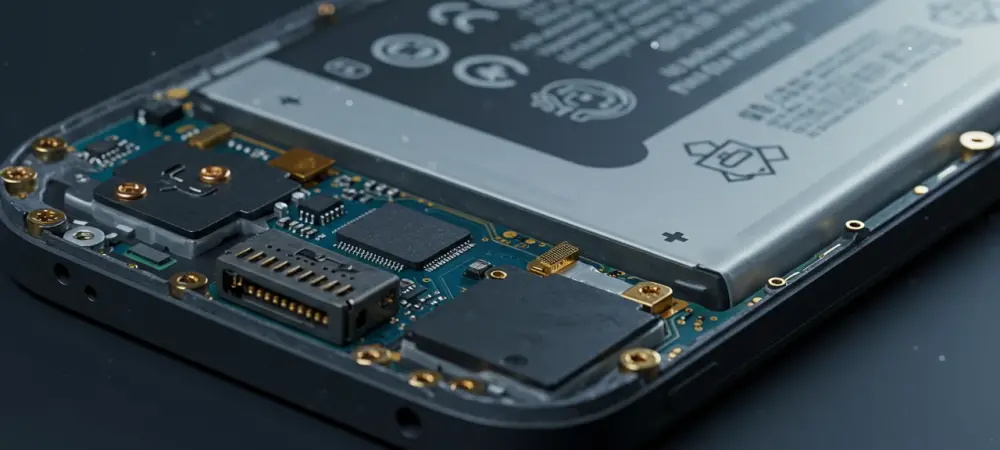
In the constantly evolving world of smartphones, efficient battery management has become a crucial aspect for users who demand uninterrupted device performance. As smartphones become more advanced and power-hungry, the role of battery monitoring apps has gained significance. These apps offer valuable insights into battery health and usage patterns, enabling users to maximize their device’s lifespan and performance. This review examines the capabilities and potential of Android battery monitoring apps.
Understanding Battery Monitoring Technology
Android battery monitoring apps play a pivotal role in ensuring optimal battery performance. These apps typically offer functionalities such as real-time tracking of battery statistics, health assessments, and optimization suggestions. With the advent of sophisticated smartphone technology, these apps have evolved to provide more than just basic monitoring. They help enhance battery life by offering users control over battery-intensive processes and providing insights into energy consumption.
The evolution of battery monitoring apps has paralleled the advancements in smartphone technology. Initially, these apps mainly tracked usage statistics and provided basic alerts. However, as smartphone capabilities expanded, so did the apps’ functionalities. Today, they integrate features that help maximize battery efficiency and adapt to the unique needs of each device.
Key Features of Battery Monitoring Apps
Battery Health Monitoring
Battery health monitoring is a core feature of these apps, allowing users to keep track of their device’s battery condition. These apps assess the battery’s current capability compared to its original design, offering insights into wear and potential issues. Understanding battery health is vital for prolonging device longevity, as it informs decisions on whether a battery replacement is necessary or if certain usage habits should be adjusted.
Usage Pattern Analysis
Another significant feature is usage pattern analysis, which tracks how the device’s battery is consumed over time. By analyzing this data, users can identify activities that drain the battery quickly and adjust their habits accordingly. Understanding consumption patterns empowers users to optimize their smartphone usage, ensuring energy-efficient practices and extending battery life.
Charging Alert Systems
Charging alerts provide real-time notifications that help users avoid overcharging, thereby enhancing battery safety and lifespan. These alerts prompt users to unplug their devices once the battery reaches full capacity or when overcharging conditions are detected. In real-world scenarios, these alerts prove effective in preventing unnecessary battery wear, contributing to better battery health over time.
Recent Developments and Emerging Trends
Recent advancements in battery monitoring apps include the integration of AI-driven features for smarter battery management. These innovations align with changing consumer preferences, as users increasingly prioritize apps offering robust data security and privacy. Moreover, manufacturers are playing a crucial role in advancing battery monitoring capabilities, ensuring better integration within their devices and enhancing overall performance. The shift toward AI has transformed how these apps function. By leveraging machine learning algorithms, apps can predict battery consumption trends and provide tailored optimization strategies. Additionally, as users become more conscious about data privacy, apps are incorporating enhanced security measures to protect sensitive user information from potential threats.
Real-World Applications and Use Cases
Battery monitoring apps find applications in both personal and professional settings. Individual users leverage these apps for comprehensive device management, enjoying optimal battery performance through informed usage habits. Industries heavily reliant on mobile technology, such as logistics and field services, implement these apps for efficient power management, ensuring uninterrupted operations.
Unique implementations of battery management strategies often involve integrating these apps with other technologies. For example, in logistics, ensuring consistent communication and data exchange is paramount; thus, efficient battery management becomes essential. These apps allow businesses to maintain device readiness, which is crucial for operational success.
Challenges in Battery Monitoring Technology
Technical challenges persist, such as ensuring accuracy in battery assessments and data reliability. Despite advancements, some apps may still provide inconsistent readings due to variables in device models or environmental factors. Additionally, privacy concerns and regulatory compliance issues present hurdles, as user data gathered by these apps needs to be managed responsibly.
Market competition also plays a significant role in shaping the quality and innovation of battery monitoring apps. With numerous options available, app developers are pressured to offer unique features and superior performance. This competitive landscape drives continuous improvement but also poses challenges in maintaining high app standards.
Future Outlook for Battery Monitoring Apps
Looking ahead, integration with emerging technologies like IoT and 5G is anticipated to enhance battery monitoring apps further. These advancements promise to offer more precise data and seamless connectivity, leading to better device performance. Additionally, potential breakthroughs in battery technology could revolutionize app features, allowing for smarter and more efficient battery management practices. As battery technology evolves, battery monitoring apps may expand to offer functionalities presently unforeseen. The integration with IoT and 5G technologies could enable real-time adjustments to power consumption, ensuring optimal performance. These anticipated developments may shift the user dynamic, ultimately shaping how consumers interact with their devices.
Conclusion
This review has explored the significant role of battery monitoring apps in enhancing smartphone efficiency and longevity. Despite existing challenges, the advancements and integration with cutting-edge technologies present considerable potential for these apps’ evolution. As smartphone technology progresses, battery monitoring apps could become indispensable for users demanding efficient and reliable device performance across multiple sectors.