

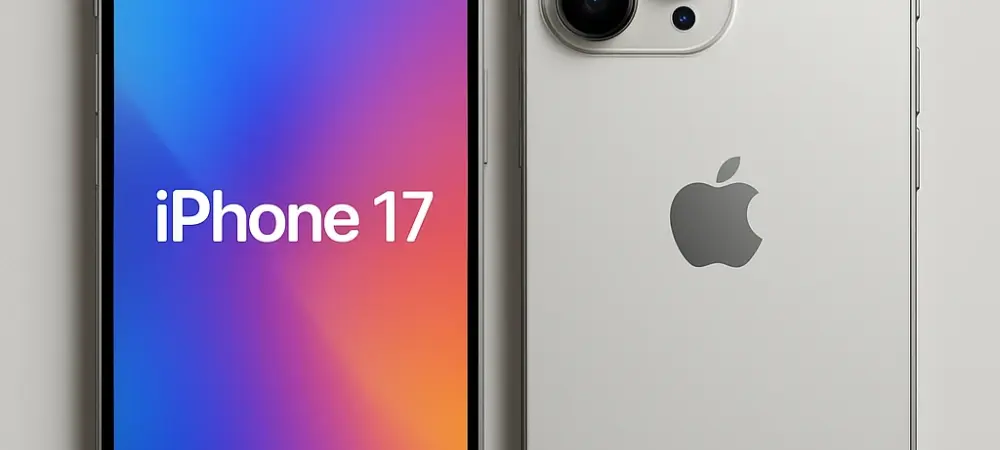
The upcoming release of the iPhone 17 has generated considerable intrigue, particularly around the anticipated updates to the Dynamic Island feature. Early insights, as reported by reliable sources like Digital Chat Station on Weibo, suggest that Apple plans significant changes aimed at enhancing the user experience. Despite maintaining the current cutout’s size and shape, the revised interface is expected to deliver a fresh dynamic to the iPhone’s usability. Notably, these modifications will largely be software-driven, a decision that prioritizes functionality while keeping the hardware design untouched. However, this announcement may leave some users disappointed, as hopes for a smaller cutout will not materialize until at least 2026. Such developments highlight Apple’s commitment to innovation, even when faced with varying consumer expectations about device aesthetics and technology.
Future of the iPhone Interface
An intriguing element of the iPhone 17 is its potential to lead Apple’s push towards a complete all-screen device, a technological transition speculated to reach fruition by the decade’s end. The planned enhancements, specifically aimed at the Dynamic Island, form part of a broader evolution in Apple’s interface design. Experts speculate that the launch of iOS 26, created specifically for the iPhone 17, could include exclusive features further distinguishing this model. Still, there is skepticism surrounding whether these advancements will be compatible with previous models, leaving current users in a state of uncertainty. The focus seems to be on making bold strides forward, introducing a new era of design and personalization in smartphones through tailored software solutions, thus setting high expectations for tech enthusiasts and long-time Apple consumers.
Path Toward Ultra-thin Bezels
A significant shift anticipated in the iPhone 17 series relates to its design, with trends suggesting Apple will adopt ultra-thin bezels across the lineup. This move towards maximizing screen real estate showcases Apple’s dedication to providing a superior visual experience, pushing the boundaries of both design and technology. This design philosophy emphasizes seamless user interaction, allowing for a more immersive experience. With the expected launch just around the corner in September, excitement builds among consumers eager to explore Apple’s latest innovations. The interplay of new features like the revamped Dynamic Island and the aesthetic appeal of ultra-thin bezels marks a defining moment for Apple, setting the stage for the future of smartphones. The upcoming release could redefine user expectations, reflecting Apple’s continuous dedication to innovation, refinement, and impactful design.