

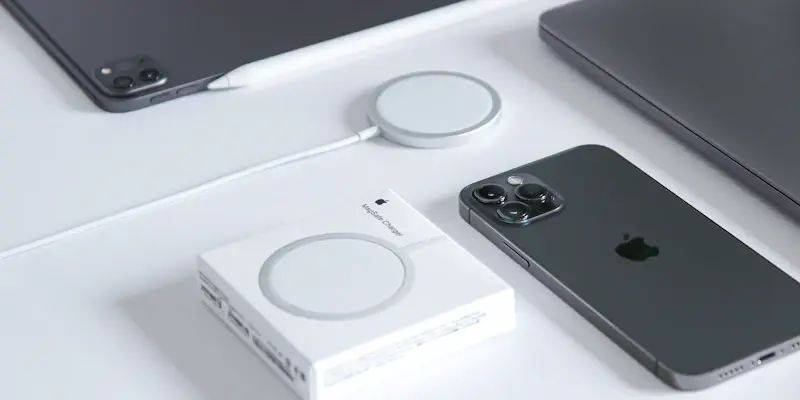
The realm of smartphone technology is constantly evolving, and one of the most significant potential transformations is Apple’s consideration of releasing portless iPhones. This possibility has sparked interest due to regulatory changes in the European Union (EU) that require mobile phones to adopt USB Type-C charging ports by the end of 2024. Apple had initially planned for the iPhone 17 Air to be its first port-free phone but reconsidered due to potential hurdles posed by the new regulations. However, recent reports suggest that a portless iPhone could still comply with EU regulations, presenting an intriguing future for Apple’s flagship product.
The EU’s Common Charger Directive
The introduction of the EU’s Common Charger Directive mandated uniformity in mobile device charging ports, specifically the adoption of USB Type-C. This directive aims to reduce electronic waste and improve consumer convenience by standardizing charging solutions. The requirement intends to eliminate the need for multiple chargers and cables, promoting a more sustainable and user-friendly environment. Despite these clear objectives, the directive has also opened a pathway for entirely portless devices.
Under this directive, the European Commission allows the sale of radio equipment that exclusively relies on wireless charging without necessitating a wired charging solution. This means that if a device, such as a future iPhone, is incapable of wired charging, it does not need to include a USB Type-C port. Apple, therefore, has the possibility of introducing a completely portless iPhone, thus aligning with EU regulations while pushing technological boundaries. The main goal behind this approach is to harmonize wireless charging standards across the EU, preventing market fragmentation and fostering environmental sustainability.
The Commission’s oversight of wireless charging technologies aims to ensure interoperability, high technological performance, and efficient energy use. By closely monitoring these technological developments, the EU seeks to create a standardized and efficient wireless charging ecosystem. Such efforts support the broader objective of reducing consumer inconvenience and electronic waste while maintaining technological advancement.
Apple’s Response to Regulations
Originally, Apple’s plan to launch the portless iPhone 17 Air raised concerns about compliance with the new EU regulations. As a result, Apple delayed the implementation of a port-free smartphone. The company has a history of pioneering innovative technologies, and the development of a completely portless device represents a significant leap forward. Concerns surrounding interoperability, user convenience, and regulatory adherence have all played roles in the cautious approach Apple has taken thus far.
Despite these considerations, the EU’s regulations have created a favorable environment for the potential introduction of portless devices. If Apple ensures that its devices solely depend on wireless charging, it can comply with the regulations without including USB Type-C ports. This alignment not only meets regulatory requirements but also propels Apple towards the adoption of advanced technologies, maintaining its position at the forefront of innovation in the tech industry.
Apple’s meticulous approach to product development and regulatory compliance reflects its dedication to both user convenience and technological advancement. The potential integration of wireless charging solutions into future iPhones indicates a strategic move to align with EU regulations while enhancing the user experience. Such advancements not only demonstrate Apple’s commitment to innovation but also reflect the broader industry trend towards wireless technology and regulatory harmonization.
The Future of Smartphones: Wireless Charging and Beyond
The world of smartphone technology is continually advancing, with one of the most noteworthy potential changes being Apple’s contemplation of introducing portless iPhones. This idea has become particularly interesting in light of regulatory updates within the European Union (EU), which mandate the adoption of USB Type-C charging ports for mobile devices by the end of 2024. Initially, Apple planned to launch its first portless model with the iPhone 17 Air but reconsidered due to the potential complications arising from these new regulations. Nevertheless, recent reports indicate that a port-free iPhone could still adhere to EU guidelines, paving the way for an exciting future of Apple’s leading product. This development presents many possibilities, including improved water resistance and potentially more streamlined designs. As the technology evolves, Apple continues exploring innovative pathways to maintain its competitive edge, keeping tech enthusiasts and loyal customers eagerly awaiting their next groundbreaking release.