

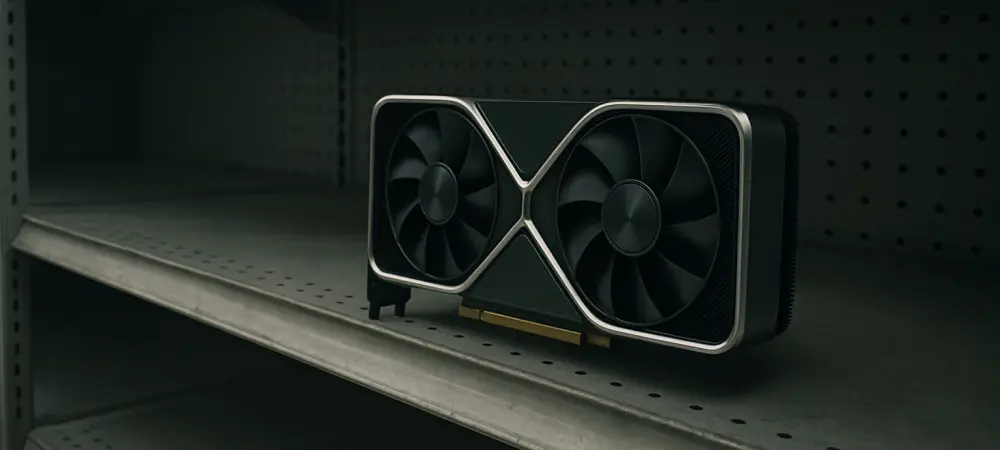
In a world where technology races forward at breakneck speed, a silent crisis looms over the gaming and creative industries, threatening to disrupt the dreams of thousands. Picture this: eager gamers and professionals refreshing online stores, desperate to snag Nvidia’s much-anticipated RTX 50 Super series graphics cards, only to face empty shelves and skyrocketing prices due to a massive shortage of GDDR7 VRAM driven by the unrelenting hunger of AI data centers. This clash between consumer desires and corporate AI ambitions raises a pivotal question in the tech sphere today.
The stakes couldn’t be higher for Nvidia, a company long revered as the gold standard in GPU innovation. With AI infrastructure consuming critical memory resources, the potential delay or cancellation of the RTX 50 Super series threatens to disrupt the expectations of millions. This isn’t just about a product launch; it’s about whether the tech industry can balance the explosive growth of artificial intelligence with the needs of everyday users. The outcome could reshape market dynamics, pricing trends, and even how future hardware is prioritized.
AI’s Appetite: A Threat to Next-Gen Graphics
The rise of AI has transformed industries, from healthcare to finance, but its impact on hardware availability is less celebrated. Tech giants like Microsoft, OpenAI, and Amazon Web Services are building sprawling data centers to power complex language models, consuming vast amounts of DRAM, HBM, and flash memory. This unprecedented demand has left memory manufacturers scrambling, creating a ripple effect that now jeopardizes consumer products like Nvidia’s upcoming GPU lineup. Reports indicate that DRAM prices have surged dramatically, with some companies paying nearly double for limited shipments. Consumer-grade memory, such as DDR4 and DDR5, hasn’t been spared either, with costs climbing steadily over recent months. For Nvidia, securing enough GDDR7 modules—vital for the high VRAM capacities planned in the RTX 50 Super series—has become a monumental task. This bottleneck reveals a harsh reality: AI’s dominance might come at the expense of gamers and content creators.
Memory Crunch: The Industry’s Hidden War
Beyond the headlines of AI breakthroughs lies a quieter, yet equally fierce, battle over memory supply. The global shortage isn’t a temporary glitch; it’s a structural issue exposing the fragility of tech supply chains. With production capacity lagging years behind demand, even basic components are becoming scarce, pushing prices to levels that strain both manufacturers and buyers.
Nvidia’s predicament is a stark example of this crisis. The initial RTX 50 series rollout faced criticism for low VRAM—8GB on the RTX 5060 and 12GB on the RTX 5070—due to limited GDDR7 availability, resulting in sparse stock and inflated costs. The hoped-for Super variants, rumored to offer up to 24GB on flagship models, were seen as a remedy. Yet, with AI data centers hoarding memory resources, the feasibility of delivering these upgrades hangs in a precarious balance.
GDDR7 Shortages: A Make-or-Break Moment
Drilling deeper into the specifics, the scarcity of GDDR7 memory paints a troubling picture for Nvidia’s plans. Industry whispers suggest that persistent shortages could extend into 2027, forcing tough decisions. One insider noted, “If memory allocation doesn’t improve, scrapping the Super lineup might be Nvidia’s only option to avoid another botched launch.” Such a move would mark a significant setback for a company known for pushing boundaries.
The ripple effects are already visible. Early adopters of the RTX 50 series endured weeks of delays and paid well above suggested retail prices due to constrained supply. If the Super series, expected to bring enhanced CUDA cores alongside higher VRAM, falters, consumer frustration could peak. This scenario underscores how a single supply chain snag can unravel meticulously crafted product strategies, leaving loyal customers in limbo.
Expert Insights: A Zero-Sum Game in Tech
Voices from across the tech landscape are raising concerns about this memory crisis. One analyst described the situation as “a zero-sum game where consumer hardware is often the loser against enterprise AI needs.” This sentiment captures the tension between two vital sectors, with no easy resolution in sight. Supply chain specialists warn that manufacturers are years away from closing the capacity gap, prolonging the uncertainty.
Feedback from the ground level echoes these worries. Gamers and professionals who invested in the first wave of RTX 50 cards shared stories of frustration over limited availability and unexpected costs. One user remarked, “Paying a premium for less VRAM than expected feels like a slap in the face.” These accounts highlight the real-world impact of abstract supply issues, amplifying the urgency for Nvidia to find a workaround.
Charting a Path Through the Chaos
Amid this uncertainty, practical steps can help navigate the storm for both Nvidia and its audience. Consumers might consider seizing current deals on existing RTX 50 models, especially as some, like the RTX 5070, have dipped near or below retail prices during seasonal sales. Waiting for the Super series could mean facing even tighter stock and steeper costs if shortages persist.
For Nvidia, strategic pivots are essential. Exploring partnerships with additional memory vendors or prioritizing GDDR7 for top-tier Super models could salvage the launch. Another option lies in releasing interim, lower-spec variants to maintain market presence. Staying attuned to updates on memory production or shifts in AI demand will also be crucial, as these factors could tip the scales for the Super series’ fate.
Looking back, the memory crisis served as a stark reminder of the tech industry’s interconnected vulnerabilities. Reflecting on how AI’s meteoric rise clashed with consumer hardware needs, it became evident that balance was elusive. Moving forward, stakeholders were urged to advocate for diversified supply chains and push for innovations in memory production. Only through such proactive measures could the industry hope to prevent similar disruptions, ensuring that future launches would not be held hostage by competing demands.