

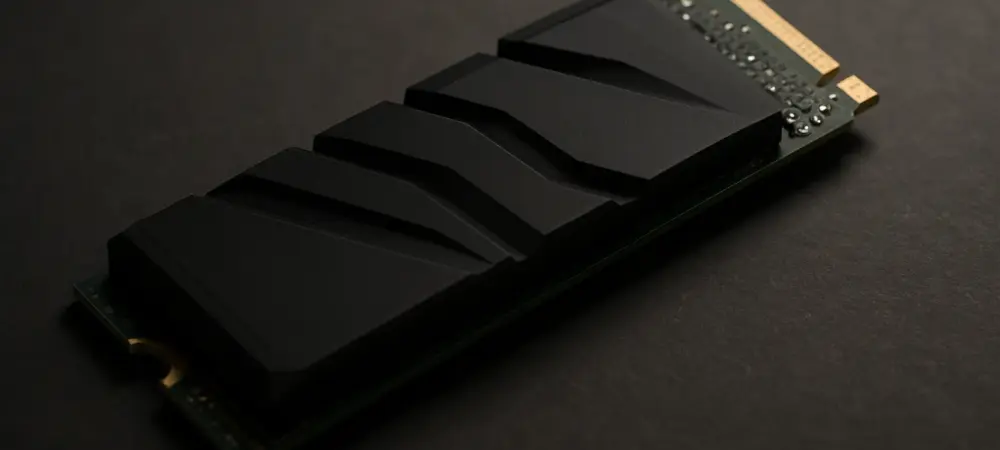
I’m thrilled to sit down with Dominic Jainy, a seasoned IT professional whose deep knowledge in cutting-edge technologies like artificial intelligence, machine learning, and blockchain also extends to the latest advancements in computer hardware and storage solutions. Today, we’re diving into the exciting release of the Kingston Fury Renegade G5 SSD with an impressive 8 TB capacity. In our conversation, we’ll explore what sets this SSD apart with its blazing speeds, the technology driving its performance, its target audience, and the strategic decisions behind its launch. Let’s get started!
How does the Kingston Fury Renegade G5 SSD with 8 TB capacity differentiate itself from other high-capacity drives on the market?
The Renegade G5 SSD really stands out due to its combination of massive storage and exceptional performance. With an 8 TB capacity, it caters to users who need vast space for large files like high-definition videos or extensive game libraries. What’s truly impressive is that it achieves read speeds of up to 14,800 MB/s and write speeds of 14,000 MB/s. Very few SSDs in this capacity range come close to these numbers, making it a game-changer for enthusiasts and professionals who can’t afford to compromise on speed or space.
What kind of impact do these read and write speeds have for users working with demanding applications?
The read speed of 14,800 MB/s and write speed of 14,000 MB/s translate to near-instantaneous data access and transfer. For gamers, this means drastically reduced load times, even with massive game files. For content creators handling 4K or 8K video editing, these speeds ensure smooth workflows without bottlenecks during file transfers or rendering. It’s about eliminating wait times and keeping productivity at its peak, which is critical for high-power users.
Who do you think will benefit most from this 8 TB SSD?
This drive is clearly designed for high-demand users. Gamers with extensive libraries, content creators dealing with huge media files, and hardware enthusiasts who push their systems to the limit are the primary audience. These are folks who need both capacity and speed without trade-offs. It’s also ideal for professionals in fields like video production or data analysis, where large datasets and quick access go hand in hand.
How does this SSD specifically cater to the needs of hardware enthusiasts and high-power users?
For hardware enthusiasts, the Renegade G5 is a dream because it leverages cutting-edge tech like PCIe 5.0, which maximizes bandwidth for top-tier performance. High-power users benefit from the sheer capacity—8 TB means you’re not constantly juggling storage solutions. Whether it’s overclocking setups or running resource-heavy applications, this SSD ensures the storage component isn’t the weak link in their systems.
Can you walk us through the key technology behind the Renegade G5’s performance?
Absolutely. The backbone of this SSD is the PCIe 5.0 x4 interface, which provides incredible bandwidth compared to older standards like PCIe 4.0. This allows the drive to hit those high read and write speeds. Then there’s the 218-layer BiCS8 3D TLC NAND, which packs more storage into a smaller footprint while maintaining durability and speed. Lastly, the Silicon Motion SM2508G controller orchestrates everything, ensuring efficient data handling and contributing to the drive’s overall performance.
There’s been some discussion about power efficiency with the Silicon Motion controller compared to others. What’s your perspective on how the Renegade G5 handles this balance?
Power efficiency is always a hot topic with high-performance SSDs. The Silicon Motion SM2508G controller was chosen partly for its claimed efficiency advantages, which help keep power draw in check despite the drive’s insane speeds. For users, this means less heat generation and potentially longer system longevity, especially in compact builds. While there’s debate over whether it’s truly more efficient than alternatives like the Phison E28, the Renegade G5 strikes a solid balance by delivering top-tier performance without becoming a power hog.
Why do you think now was the right moment to introduce the 8 TB version of the Renegade G5 lineup?
The timing makes sense given the growing demand for high-capacity, high-speed storage. As games and media files balloon in size—think 100 GB game installs or raw 8K footage—users are hungry for solutions that don’t force them to sacrifice speed for space. Feedback from the community likely played a role, as earlier capacities like 1 TB, 2 TB, and 4 TB were already popular among enthusiasts. Releasing the 8 TB now positions it perfectly for those ready to future-proof their setups.
What were some of the challenges in scaling up to 8 TB while maintaining such high performance levels?
Scaling to 8 TB isn’t just about stacking more memory; it’s about ensuring consistent performance across that capacity. Challenges likely included optimizing the NAND architecture to avoid speed degradation as capacity increases, which the 218-layer BiCS8 3D TLC NAND helps address. There’s also the task of fine-tuning the controller to manage larger data volumes without latency spikes. It’s a complex balancing act, but the results speak for themselves with those near-record read and write speeds.
Since pricing and availability details are still under wraps, can you share any insights into what potential buyers might expect?
While I can’t give exact figures, it’s safe to say the Renegade G5 8 TB will carry a premium price tag. You’re paying for cutting-edge tech, massive capacity, and speeds that few competitors match. Given the specs and target audience of enthusiasts and professionals, it’s an investment for those who need the best. As for availability, it’s likely to roll out soon following the announcement, targeting key markets where high-end hardware demand is strong.
What’s your forecast for the future of high-capacity SSDs like the Renegade G5 in the coming years?
I see high-capacity SSDs becoming even more mainstream as data needs continue to explode. We’re likely to witness capacities pushing beyond 8 TB into double digits, with speeds climbing as PCIe 5.0 and future standards become ubiquitous. Efficiency will also be a focus, as manufacturers aim to reduce power draw and heat in increasingly compact devices. For drives like the Renegade G5, I expect them to set the bar for integrating massive storage with performance, shaping how we handle data-intensive tasks in both personal and professional spaces.