

The volatility of global trade routes combined with an uncompromising demand for overnight delivery has pushed traditional supply chain management to a critical breaking point. Modern logistics providers are no longer just competing on fleet size or geographical reach; they are competing on the speed and accuracy of their data. In an environment where a single hour of downtime can cascade into thousands of dollars in losses, the reliance on fragmented legacy systems has become a profound liability. This analysis explores the shift toward integrated, cloud-based architectures, specifically Microsoft Dynamics 365, as the primary vehicle for maintaining operational viability. By examining the transition from manual workflows to intelligent automation, the following sections will highlight how digital transformation serves as the backbone for the modern distribution network.
Navigating the Complexity: Modern Supply Chain Demands
The current logistics landscape functions within a high-stakes environment where the margin for error has effectively evaporated. Companies face unrelenting pressure to accelerate delivery timelines while simultaneously minimizing the overhead costs that eat into thin profit margins. This economic reality necessitates a departure from the “reactive” models of the past. As global commerce grows more interconnected, enterprises are increasingly adopting cloud-based solutions to synchronize their disparate operations. This shift is not merely about staying current with technology but about overcoming the systemic inefficiencies—such as inaccurate inventory counts and shipping delays—that have historically hindered growth and customer retention. Strategic visibility is the new currency of the supply chain. Businesses that lack a unified view of their operations often find themselves caught in a cycle of fire-fighting, addressing problems only after they have impacted the end consumer. By transitioning to a centralized platform, logistics providers can finally achieve the transparency required to manage complex international movements. This move toward digital maturity allows stakeholders to harness real-time data, ensuring that every decision, from route optimization to capital expenditure, is backed by empirical evidence rather than historical guesswork.
From Paper Trails to Digital Threads: The Evolution of Logistics Management
Historically, the movement of goods was managed through a combination of manual entry, paper-based tracking, and disconnected spreadsheets. While these foundational methods were sufficient when supply chains were primarily regional, the explosion of global e-commerce and “just-in-time” manufacturing protocols rendered them obsolete. In previous years, departments like finance, warehousing, and procurement often operated in rigid silos. This lack of communication created persistent errors in data entry and a total inability to forecast demand with any meaningful degree of precision. Understanding this evolution is vital because it demonstrates that the modern landscape requires a foundation capable of processing massive data volumes instantly. As the industry moves away from these legacy constraints, the role of a single source of truth becomes paramount. The transition from physical ledgers to digital threads allows every part of the organization to access the same information at the same time. This evolution has transformed the role of the logistics manager from a record-keeper into a strategic analyst. By eliminating the friction caused by disconnected tools, companies can finally focus on scaling their operations without being held back by the administrative bottlenecks that once defined the sector.
Maximizing Operational Efficiency: Integrated ERP Solutions
Breaking Down Data Silos: Unparalleled Real-Time Visibility
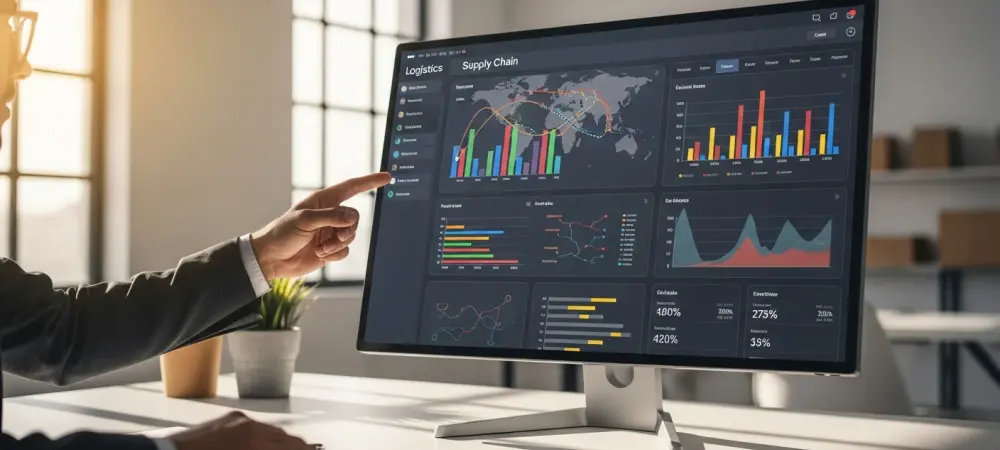
The implementation of Microsoft Dynamics 365 marks a significant turning point for companies looking to move from reactive to proactive management styles. In traditional operational setups, leadership often relies on reports that are days or even weeks old, making it impossible to pivot when disruptions occur. By consolidating every data point into a unified platform, the software offers a live look at inventory levels, shipment statuses, and supplier reliability. This transparency allows for the immediate identification of bottlenecks. For example, if a port closure is detected, the system can automatically adjust inventory forecasts and alert the relevant departments, preventing the disruption from spiraling into a customer service crisis.
Optimizing Warehouse Management: Inventory Accuracy
Warehouse operations represent one of the most significant sources of hidden costs in the logistics industry. Dynamics 365 facilitates a comprehensive overhaul of these workflows by integrating advanced tools such as barcode scanning, bin management, and intelligent picking sequences. This level of digital precision helps businesses maintain optimal stock levels—a state often referred to as the “Goldilocks” of inventory. Maintaining enough stock to satisfy demand without the high costs of overstocking is a delicate balance that is nearly impossible to achieve manually. Furthermore, the automation of stock replenishment based on predictive demand protects a company’s reputation by preventing frequent stockouts and backorders.
Leveraging Advanced Automation: Business Intelligence for Strategic Growth
Beyond the basic management of tasks, modern ERP systems introduce a layer of intelligence that was previously the exclusive domain of tech giants. Automation now handles repetitive, time-consuming activities such as purchase order generation and financial reporting, allowing human talent to focus on high-value strategic initiatives. The true power, however, resides in the built-in analytics and business intelligence dashboards. These tools allow firms to analyze fleet performance and customer demand trends in granular detail. By identifying which shipping routes are the most fuel-efficient or which suppliers consistently fail to meet deadlines, companies can make data-driven adjustments that foster long-term, sustainable growth.
The Future of Logistics: Artificial Intelligence and Cloud-First Strategies
The trajectory of the industry points toward a future where artificial intelligence and machine learning are the primary drivers of logistics strategy. Predictive analytics are beginning to anticipate disruptions before they even manifest, suggesting alternative logistics providers or routes automatically. Moreover, the shift to a cloud-first strategy is no longer a luxury; it is a prerequisite for survival. Cloud-based ERP solutions provide the remote accessibility required for companies that operate across multiple transport hubs and international borders. This infrastructure ensures that data is secure, scalable, and accessible from any location, which is critical for a mobile workforce.
Integration with the Internet of Things (IoT) represents the next phase of this technological journey. We are seeing a tighter connection between ERP systems and sensors located on trucks and within warehouses. This constant stream of telemetry data allows for truly autonomous supply chain models where manual intervention is minimized. As these technologies mature, the ability to monitor the environmental conditions of sensitive cargo or the mechanical health of a fleet in real-time will become standard. Companies that embrace these innovations early will find themselves positioned at the forefront of a more resilient and agile global market.
Implementing a Road Map: Digital Transformation in Logistics
A successful transition to a modern ERP requires a structured approach that prioritizes data integrity and comprehensive staff training. The process should begin with a thorough audit of existing workflows to pinpoint the most critical operational bottlenecks. Once these are identified, businesses must focus on migrating their data to a centralized environment to ensure that a single source of truth exists across all departments. Best practices suggest a phased rollout, starting with foundational modules like finance and warehousing before moving toward more complex automation and AI features. This gradual adoption helps the workforce acclimate to the new digital environment without overwhelming the operation.
Engagement with stakeholders at every level of the organization is equally important. Technology serves as a tool, but its effectiveness depends on its alignment with the daily realities of the people using it. By treating the implementation as a strategic shift rather than a simple IT project, companies can maximize their return on investment. This approach builds a foundation for continuous improvement, allowing the business to adapt as new modules or capabilities are released. Ultimately, a well-executed implementation plan transforms the ERP from a software package into a competitive engine for the entire enterprise.
Sustaining Competitive Advantage: A Connected World
The transition to Microsoft Dynamics 365 ERP represented a fundamental shift in how logistics companies approached their business models to survive the mid-decade economic shifts. The analysis showed that manual processes and disconnected data silos were no longer viable for firms seeking to scale in a hyper-connected global economy. By consolidating operations into a single, automated, and cloud-based platform, companies eliminated redundancies and met the high expectations of a customer base that demanded total transparency. This digital shift provided the resilience necessary to navigate a market that remained unpredictable and volatile.
Moving forward, the focus should shift toward the integration of generative AI to further refine demand forecasting and automate complex supplier negotiations. Organizations must prioritize the upskilling of their workforce to ensure that employees can interpret the advanced analytics provided by the ERP system. Strategic investment in IoT-enabled tracking will also be essential to provide customers with the granular, real-time updates they now consider standard. Those who successfully mastered the intelligent management of their data moved goods faster and more reliably, securing their place as leaders in the next generation of global logistics.