

Dominic Jainy is a seasoned IT professional with a deep understanding of how hardware architectures like artificial intelligence and machine learning intersect with consumer electronics. His extensive background in tracking industry shifts allows him to provide a nuanced perspective on why major players like Samsung are altering their long-term silicon strategies. In this discussion, we explore the economic and logistical factors driving the transition from proprietary Exynos chips to third-party processors, the impact of rising global component costs, and what the aggressive production targets for the Galaxy A18 series suggest about the future of the budget smartphone market.
How do you interpret Samsung’s strategic decision to move away from its in-house Exynos chips for the upcoming Galaxy A18 series?
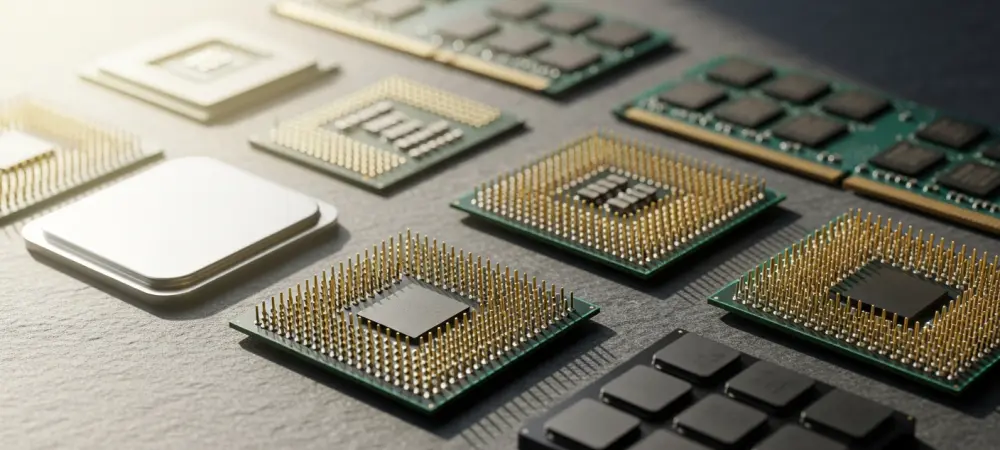
This pivot represents a pragmatic shift toward economic survival in a tightening market rather than a failure of their internal engineering. By opting for MediaTek and Qualcomm Snapdragon chipsets instead of the proprietary Exynos 1330 SoC found in the previous Galaxy A17, Samsung is acknowledging that their System LSI business unit is currently more expensive to maintain than outsourcing. There is a palpable sense of urgency here, as rising memory prices globally are squeezing profit margins, forcing the brand to seek more cost-effective solutions to keep the A series competitive. It is a calculated move to stabilize the bottom line while still delivering a device that meets the high expectations of the budget-conscious consumer.
With the Galaxy A17 having established a baseline with its Super AMOLED display and 50-megapixel camera, how might the change in processors affect the overall user experience of the new A18?
The change in silicon is likely to be felt most in the efficiency of daily tasks and the overall “snappiness” of the interface on that 6.7-inch full HD+ display. While the previous model utilized the Exynos 1330, moving the Galaxy A18 5G to a Snapdragon chip could offer better optimization for photography, potentially squeezing even more detail out of the 50-megapixel rear sensor and the 13-megapixel selfie shooter. Users are incredibly sensitive to battery life in this segment, so the chipset’s ability to manage the 5,000mAh battery and the heat generated during 25W fast charging will be the real test of this transition. It’s a delicate balancing act to ensure that the 4G variant, powered by MediaTek, feels just as premium as its 5G sibling despite the difference in price and connectivity.
The production numbers mentioned for the Galaxy A18 4G are quite staggering—what do these specific targets tell us about Samsung’s global strategy?
The sheer scale of the rollout is a clear indicator of Samsung’s dominance and its intent to flood the market quickly. Starting with a targeted initial production of around 1,00,000 units in August and then skyrocketing to 2.4 million units in September and 2.5 million in October shows a massive logistical commitment. These figures suggest that Samsung is preparing for a major seasonal push, likely aiming to capture the entry-level market before the 5G model arrives months later. It is a high-stakes play that requires a perfectly synchronized supply chain to ensure that these millions of devices reach shelves without being hampered by the rising costs of internal components.
Given the shift in chipsets and the pressures of the international market, what is your forecast for the budget smartphone segment over the next year?
I anticipate that we will see more manufacturers abandoning the “all-in-house” philosophy as the cost of raw materials continues to fluctuate. When you have a device like the previous generation starting at Rs. 18,999, the margins are so thin that even a slight increase in memory or processor costs can turn a profitable model into a liability. We will likely see a trend where brands focus their internal R&D on flagship models while leaning heavily on MediaTek and Qualcomm for the mid-to-low tiers to mitigate risk. As production plans remain subject to change depending on market conditions, the ability to remain flexible and swap out core components will become the most valuable trait for any hardware manufacturer.