

Introduction
The mobile industry frequently prioritizes flagship specifications over daily reliability, yet the arrival of the iQOO Z11i suggests a significant shift toward prioritizing longevity and structural resilience for the average user. This new addition to the Z-series lineup provides a balanced experience for individuals who demand a phone that lasts multiple days without sacrificing modern connectivity or software support.
The objective of this exploration is to dissect the technical specifications and value propositions of the iQOO Z11i, looking at how it addresses common pain points like battery anxiety. Readers can expect a detailed breakdown of the internal hardware, the advanced software suite, and the specific design choices that set this mid-range contender apart in a crowded market.
Key Questions or Key Topics Section
What Defines the Performance and Software of the iQOO Z11i?
Under the hood, the device relies on the Qualcomm Snapdragon 4 Gen 2 chipset, a 4nm octa-core processor that balances energy efficiency with capable multitasking for everyday applications. This silicon choice ensures that the device handles standard tasks and high-speed data transfers with ease, supported by a combination of LPDDR4x RAM and fast UFS 3.1 storage. Moreover, the software landscape on this device is particularly notable because it debuts with Vivo OriginOS 6, which is explicitly based on the Android 16 architecture. This inclusion places the handset at the forefront of software updates, offering a contemporary interface and the latest security features right out of the box, ensuring the device remains relevant as mobile ecosystems evolve.
How Does the Build Quality Protect the Device From Daily Wear?
The handset features an IP65 rating, which provides substantial protection against dust ingress and water splashes, alongside an SGS 5-Star certification that validates its resistance to unexpected drops and physical shocks.
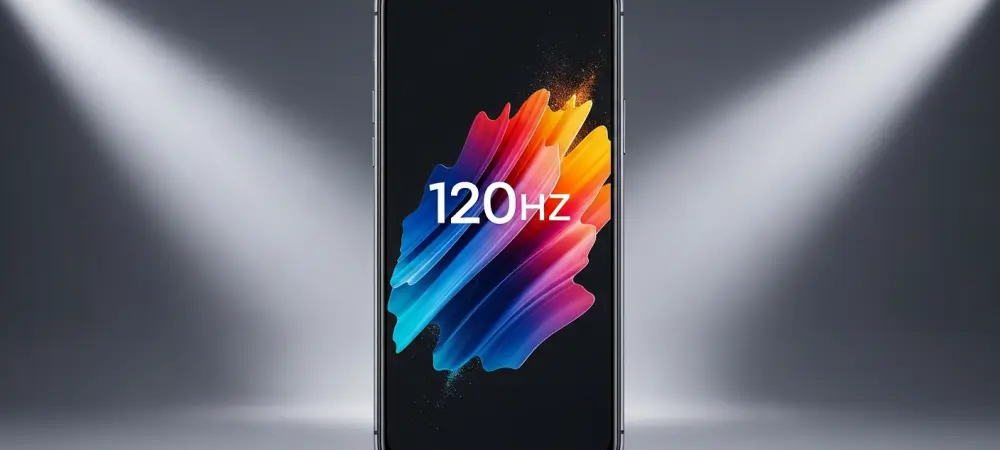
The front of the phone is dominated by a 6.74-inch HD+ LCD panel that supports a high 120Hz refresh rate, providing a fluid visual experience during navigation. By maintaining a high screen-to-body ratio, the designers achieved an immersive feel that complements the rugged nature of the chassis, proving that a tough phone can still maintain a modern and sleek aesthetic.
What Are the Implications of the High-Capacity Battery System?
Energy management is the most impressive aspect of this release, as it integrates a massive 6,500mAh battery within its relatively lightweight body. This high-density cell is engineered to support up to 21 hours of continuous talk time or over 25 days on standby, effectively eliminating the need for mid-day charging for even the most demanding mobile users.
However, the charging approach takes a more conservative route with a 15W rate through its USB Type-C port, likely to preserve the long-term health of such a large capacity cell. On the photographic side, the phone utilizes a simplified 13-megapixel rear camera and a 5-megapixel front sensor, focusing on functional photography and clear video calls rather than complex multi-lens arrays.
What Pricing and Connectivity Options Are Available to Buyers?
The device offers flexibility through three distinct memory configurations, starting with a 6GB and 128GB base model at an accessible price point. Consumers looking for more room can opt for the 8GB and 128GB version or the top-tier 8GB and 256GB variant, with several colorways available such as Desert Gold, Mo Ying, and Qingfeng. Beyond its storage tiers, the handset is a fully equipped 5G dual-SIM device that supports modern wireless standards including Bluetooth 5.1 and dual-band Wi-Fi. It also incorporates practical hardware like an IR blaster and a side-mounted fingerprint scanner, ensuring that users have access to essential tools for home automation and quick biometric security.
Summary or Recap
The iQOO Z11i represented a strategic move to dominate the mid-range segment by offering a 6,500mAh battery and a rugged build that many competitors overlook. By pairing the Snapdragon 4 Gen 2 with the latest Android 16 software, the brand delivered a package that promised longevity both in terms of daily power and long-term software viability.
Key takeaways included the impressive durability ratings and the specific targeting of the market with competitive pricing for different storage needs. For those interested in exploring further, comparing this model against other entries in the Z-series provided a clearer picture of how hardware priorities shifted toward endurance in the current mobile landscape.
Conclusion or Final Thoughts
The introduction of this smartphone signaled a conscious decision to prioritize the core needs of reliability and battery life over superficial trends. It demonstrated that a mid-range device could still feel premium and future-proofed by shipping with the latest operating system version and a reinforced exterior.
Prospective users considered how a device with such significant battery life changed their relationship with mobile technology. Moving away from the constant search for a power outlet allowed for more focus on productivity and connection, suggesting that the industry saw a rise in high-capacity, durable smartphones as a primary consumer demand.