

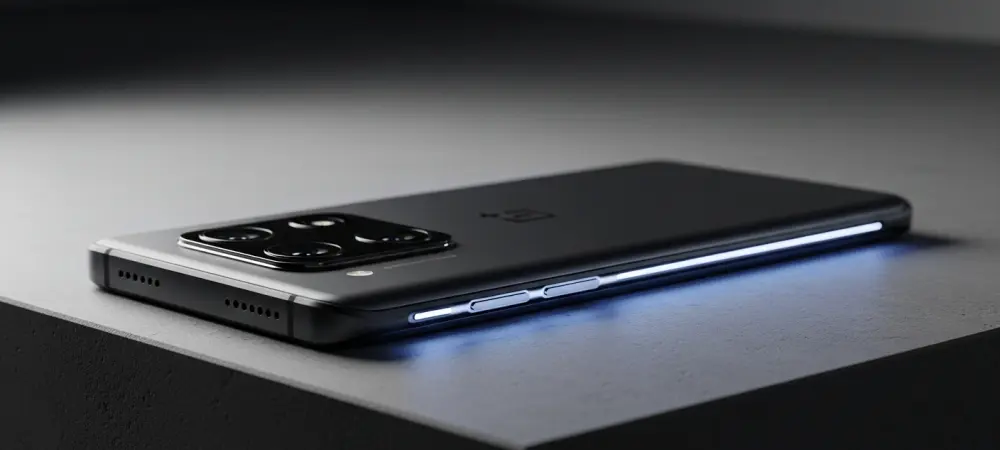
The perpetual anxiety of a dying battery has long dictated how consumers interact with their mobile devices, forcing a reliance on power banks and wall outlets that many are no longer willing to accept. The OnePlus N6 represents a significant advancement in the budget-friendly smartphone sector, signaling a strategic pivot from high-octane performance to extreme hardware endurance. This review explores the evolution of the technology, its key features, performance metrics, and the impact it has had on various applications. The purpose is to provide a thorough understanding of the technology and its potential future development within the entry-level market.
Introduction to the OnePlus N6 Philosophy
Modern engineering often prioritizes peak processing speeds, yet the N6 embraces a battery-centric philosophy. This approach addresses the growing demand for device longevity over annual upgrade cycles. By focusing on physical durability, the device targets a segment of the market that values a tool over a status symbol. This philosophy shifts the focus from ephemeral benchmarks toward practical reliability. It suggests that a smartphone should remain functional throughout the day and across several years without significant battery degradation or physical failure.
Core Hardware and Technical Specifications
The Industry-Leading 8,000mAh Battery System
At the heart of the N6 lies a massive 8,000mAh battery system. This capacity is paired with 45W SuperVOOC fast charging and bypass charging for sustained use without overheating. The 1,600 charge cycle rating is particularly significant, suggesting the device can maintain health for a seven-year lifecycle, far outlasting typical budget alternatives.
This hardware choice effectively eliminates the need for mid-day charging. Moreover, the implementation of bypass charging allows users to power the device directly from an outlet during intensive tasks, preserving the chemical life of the battery.
Processing Power and Display Dynamics
The MediaTek Dimensity 6360 Apex chipset balances efficiency with sufficient performance for daily tasks. While the 6.8-inch 120Hz LCD offers smooth scrolling, the 720p resolution remains a technical trade-off. This compromise ensures that the processor does not overwork, further extending the battery life per charge.
The choice of a lower-resolution panel is a calculated move to prioritize run-time. However, the high refresh rate ensures that the user interface feels responsive despite the lower pixel density, maintaining a modern feel for the user.
Minimalist Camera Architecture and AI Software
OnePlus opted for a minimalist camera architecture, featuring a functional 50MP rear sensor. Instead of a multi-lens array, the device relies on AI-powered software like AI Eraser and AI Recompose to enhance images. This single-lens system challenges the industry norm of adding redundant sensors for marketing purposes.
The software-heavy approach to photography allows for decent results without the cost of high-end glass. It reflects a shift toward using computational photography to solve hardware limitations in the entry-level segment.
Emerging Trends in Mobile Endurance and Resilience
Recent developments show a shift toward MIL-STD-810H certification and IP65 ratings in affordable consumer electronics. This trend reflects changing consumer behavior, where battery health and physical ruggedness are prioritized over high-resolution displays or complex gaming capabilities. This resilience-first design is becoming a staple for devices intended for long-term use. Manufacturers are beginning to realize that the budget consumer values a phone that survives a drop or a rainstorm more than one that scores high on benchmarks.
Real-World Applications and Targeted Use Cases
Real-world applications for the N6 are found in logistics and field work where charging opportunities are rare. Moreover, the device serves as a reliable secondary phone for users in regions with inconsistent power infrastructure, proving that specialized hardware meets critical needs better than general-purpose flagships. In these scenarios, the ability to rely on a device for multiple days without a charge outweighs the benefits of a sharper screen. The extended battery life also makes it ideal for long-distance commuters and outdoor enthusiasts.
Technical Hurdles and Market Constraints
Technical hurdles include the relatively low display resolution and lack of camera versatility, which may deter enthusiasts. Ongoing development through OxygenOS 16 enhancements aims to mitigate these limitations by optimizing software performance and visual processing to compensate for the hardware caps.
Competition in this segment is fierce, and other brands may offer better displays at similar prices. However, the N6 remains unique due to its uncompromising focus on battery capacity, which remains a niche but vital selling point.
Future Outlook for the Budget Smartphone Segment
The future of the budget segment likely involves higher-density batteries and more efficient entry-level silicon. Potential breakthroughs in battery chemistry will likely follow this longevity-first approach, reshaping how manufacturers view the value proposition of cheaper devices globally.
As energy efficiency improves, the trade-offs seen today, such as low-resolution screens, will likely disappear. This will allow budget devices to offer both extreme endurance and high-quality multimedia experiences without compromises.
Final Assessment: Redefining the Entry-Level Standard
The OnePlus N6 functioned as a disruptor in the budget category by proving that endurance could be a primary selling point. It demonstrated that sacrificing certain flagship features allowed for a specialized device that solved real-world longevity problems. This strategy redefined the entry-level standard, forcing competitors to reconsider their own hardware priorities. Future developments should focus on integrating higher resolution panels without compromising these power gains. The focus on long-term sustainability and physical resilience suggested a more mature approach to consumer technology.