

I’m thrilled to sit down with Dominic Jainy, a seasoned IT professional whose deep expertise in artificial intelligence, machine learning, and blockchain brings a unique perspective to emerging tech landscapes. Today, we’re diving into an exciting development in the Dallas area—a massive data center campus proposed in Lancaster, Texas. Our conversation explores the scope of this ambitious project, the specifics of its two major components, the timeline for rollout, and the broader implications for the region’s tech infrastructure. Dominic’s insights shed light on how such developments could shape the future of data-driven industries.
How does the proposed data center campus in Lancaster, Dallas, fit into the broader tech landscape of the region?
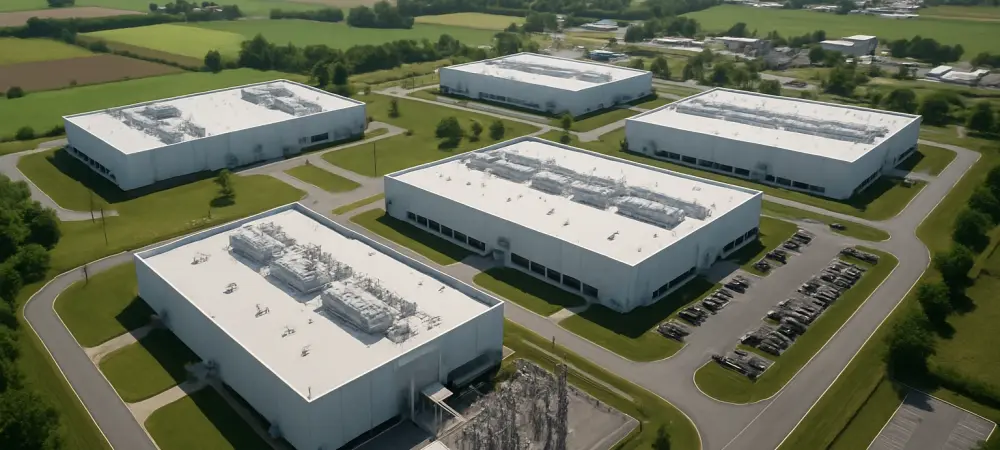
The Dallas-Fort Worth metro area is already a powerhouse for data center activity, and this new campus in Lancaster is a testament to the region’s growing importance as a global tech hub. Known as Project Orange and Project Labrador, this development spans over 530 acres and aims to host 13 facilities totaling more than 2.5 million square feet. With several hundred megawatts of capacity, it’s poised to support the escalating demands of cloud computing, AI, and other data-intensive technologies. What’s exciting is how this aligns with other major players like Skybox and QTS also investing in the area, signaling that Lancaster is becoming a critical node in the national data infrastructure.
Can you break down the key components of Project Labrador and its planned infrastructure?
Absolutely. Project Labrador is located on a 419-acre site at 1401 Greene Road in Lancaster. The plan includes five two-story data center buildings and four substations, with the data centers alone covering about 1.07 million square feet. This setup is designed to handle significant computational loads, likely catering to hyperscale clients or large enterprises. It’s a massive undertaking that reflects the scale needed to support modern digital ecosystems.
What can you tell us about the vision for Project Orange and how it complements the overall campus?
Project Orange is situated on a 116-acre plot at 201 Sunrise Road, and it’s equally impressive. It’s set to include seven data centers, each with a 36MW capacity, totaling around 1.5 million square feet and a combined 252MW of power. This segment of the campus seems tailored for high-density operations, possibly targeting specific industries like AI model training or blockchain networks that require immense power and space. Together with Project Labrador, it creates a balanced campus capable of diverse workloads.
What are the expected timelines for bringing these projects online, and what challenges might arise?
From what’s been shared, Project Labrador is targeting a go-live date around 2030, which gives a sense of the long-term planning involved. Details on Project Orange’s timeline are less specific, but given the scale, I’d expect a similar multi-year rollout with phased construction. Challenges could include supply chain delays for critical equipment like transformers, as well as navigating local regulatory approvals and community impact concerns. Power grid integration will also be a hurdle, considering the massive energy demands.
There’s mention of a traffic study suggesting a much larger build-out for the area. How do you interpret this potential for expansion?
The traffic study for Alba Road is intriguing because it analyzes a “maximum build-out” scenario with 18 buildings totaling over 5.6 million square feet of data center space. This suggests that the current plans for Project Orange and Project Labrador might just be the starting point. Developers could be envisioning future expansions to meet growing demand, especially as technologies like AI and IoT continue to explode. It’s a forward-thinking approach, ensuring the infrastructure can scale without starting from scratch later.
How has the local government supported this development, and what does that say about the region’s priorities?
The Lancaster City Council has been proactive, approving zoning changes for both projects recently, which is a green light for moving forward. Additionally, the Lancaster Planning and Zoning Commission had previously recommended approval for parts of Project Labrador, showing a collaborative effort to facilitate this growth. This kind of support highlights how the region prioritizes tech infrastructure as an economic driver, likely seeing data centers as a way to attract jobs and investment while positioning Dallas as a leader in the digital economy.
What can you share about the entity driving this project and their history in the area?
The development is led by WHL Dallas 45 LLC, which acquired the land in Lancaster back in 2012 from the Dallas Logistics Hub. This entity is tied to Prime45 Development, a local real estate firm. Their long-term ownership of the land suggests strategic planning, likely waiting for the right market conditions to launch such a large-scale project. It’s a smart move, given how data center demand has skyrocketed in the past decade, especially in markets like Dallas.
What is your forecast for the impact of large-scale data center developments like this on the future of tech industries?
I believe projects like this will fundamentally reshape the tech landscape over the next decade. They provide the backbone for innovations in AI, machine learning, and blockchain by offering the necessary compute power and storage at scale. We’re likely to see a ripple effect—startups and enterprises alike will flock to regions with robust data infrastructure, driving economic growth but also raising questions about sustainability and energy consumption. My forecast is that places like Lancaster will become synonymous with cutting-edge tech, but only if they balance growth with responsible resource management. It’s a space to watch closely.