

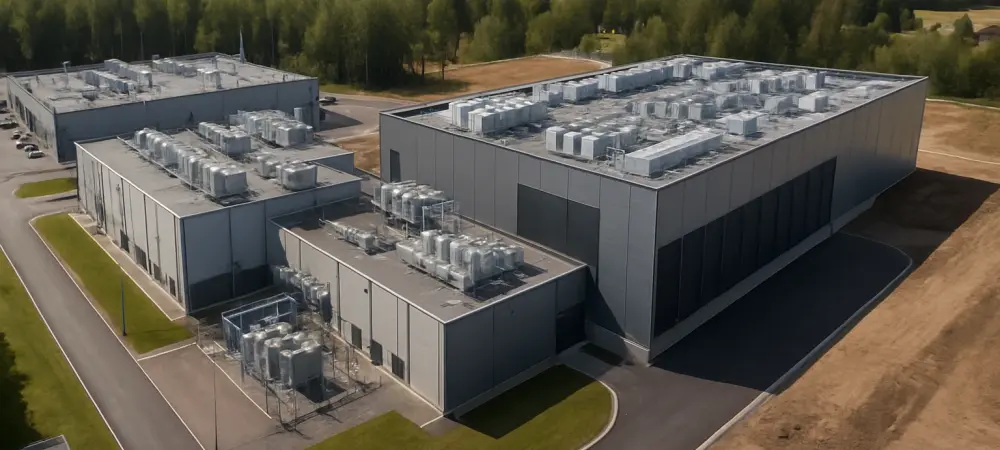
What happens when a small, quiet town in Finland becomes the unexpected epicenter of a technological revolution? Nestled 199 kilometers northwest of Helsinki, Forssa, a city not often on the global radar, is poised to host one of Europe’s largest data center campuses through a groundbreaking initiative by QTS, a leading data center provider. This development isn’t just about servers and circuits; it’s about transforming a modest urban area into a vital node in the digital world. The sheer scale of this project, coupled with its location in an unassuming region, raises questions about why Forssa was chosen and what this means for the future of tech infrastructure in Europe.
Why Forssa, Finland, Emerges as a Data Center Hub
The selection of Forssa for a massive data center campus might seem surprising at first glance. With a population under 20,000, this small city lacks the bustling tech scene of larger metropolitan areas. Yet, its strategic advantages—proximity to renewable energy sources, a stable political environment, and a climate ideal for natural cooling—make it a hidden gem for tech giants looking to expand sustainably.
Beyond these practical benefits, Forssa offers vast tracts of undeveloped land, such as the 100-hectare Ratasmäki area earmarked for this project. This availability allows for expansive builds without the zoning headaches often encountered in denser regions. The city’s willingness to adapt, evidenced by ongoing zoning changes to accommodate industrial growth, further positions it as an attractive destination for ambitious ventures.
The Nordic Region’s Growing Appeal for Digital Infrastructure
Across the Nordic countries, a quiet but powerful shift is underway in the tech landscape. The region’s cooler temperatures reduce the need for energy-intensive cooling systems, cutting operational costs significantly—studies indicate savings of up to 30% compared to warmer climates. Additionally, access to abundant hydroelectric and wind power aligns with global pushes for carbon-neutral operations.
Finland, in particular, stands out with its business-friendly policies and robust digital connectivity. The government has actively supported tech investments, offering incentives that have drawn international players to its shores. Forssa, as part of this ecosystem, benefits from national initiatives while carving out a niche as a cost-effective, sustainable option for data center expansion.
This trend reflects a broader global demand for data storage and processing, fueled by cloud computing and AI advancements. As companies race to meet these needs, the Nordic region’s unique combination of environmental and economic factors makes it a prime target for projects like the one QTS is undertaking.
Inside the QTS Forssa Campus: Scale and Strategic Impact
The scope of the QTS project in Forssa is staggering. Spanning over 100 hectares, early estimates suggest a potential capacity of 450 megawatts, which could rank it among Europe’s largest data center campuses. While specific timelines remain under wraps, the preliminary agreement with the City of Forssa marks a significant milestone, with local authorities fast-tracking zoning adjustments to pave the way for construction.
This campus builds on QTS’s already impressive global portfolio, which includes 36 properties totaling 1,200 megawatts across the United States, the UK, the Netherlands, and Spain. The move into Forssa represents a calculated step to bolster its European presence, tapping into a market hungry for reliable, high-capacity digital infrastructure. Strategically, it positions QTS to serve growing demands from enterprises across the continent.
The involvement of Blackstone, which acquired QTS in 2021 for approximately $10 billion, underscores the financial muscle behind this expansion. This backing ensures that the project isn’t just a one-off but part of a larger vision to dominate the data center sector in emerging markets, with Forssa as a critical foothold.
Local and Corporate Enthusiasm Fuels Momentum
Excitement about the Forssa project resonates from city hall to corporate boardrooms. Mayor Jari Kesäniemi has described the investment as a transformative opportunity, emphasizing its potential to drive industrial growth and create jobs. “This partnership with a global leader like Blackstone is a game-changer for Forssa, bringing expertise and vitality to our community,” he stated, reflecting a deep optimism among local leaders.
On the corporate side, James Seppala, head of Blackstone’s European real estate business, echoed this sentiment, highlighting confidence in Finland’s economic landscape. “The country offers a strong foundation for tech investments, and projects like this are just the beginning,” Seppala noted. Such statements signal a long-term commitment to the region, with Forssa at the forefront.
Brunswick Real Estate, QTS’s Nordic partner, has also praised the collaborative spirit of local authorities. Their role in navigating regional regulations, alongside advisory support from Deloitte, has been instrumental in moving the project forward. This synergy between stakeholders paints a picture of a unified effort to turn vision into reality, setting a precedent for future developments.
Economic Ripple Effects for Forssa’s Future
The arrival of a data center of this magnitude promises to reshape Forssa’s economic fabric. Direct employment opportunities in construction, maintenance, and operations are expected to number in the hundreds, providing a significant boost to local livelihoods. These roles range from technical positions to support services, offering a diverse array of career paths for residents.
Indirect benefits could be even more substantial, with increased demand for housing, retail, and hospitality as the workforce grows. Small businesses, from cafes to contractors, stand to gain from the influx of activity, potentially reversing years of stagnation in a town often overlooked by major investors. This kind of economic injection can serve as a blueprint for other small cities aiming to attract tech giants.
Moreover, the project elevates Forssa’s profile on a global stage, drawing attention to its potential as a tech hub. This visibility could lure additional investments, creating a virtuous cycle of growth. For policymakers and community leaders, the challenge lies in balancing rapid development with sustainable planning to ensure long-term prosperity for all.
Reflecting on a Transformative Milestone
Looking back, the partnership between QTS and Forssa marked a pivotal moment for both the company and the city, setting a foundation for unprecedented growth. The collaboration demonstrated how strategic investments in lesser-known regions could yield outsized impacts, reshaping local economies while meeting global digital demands. It was a testament to the power of aligning corporate ambition with community readiness.
As the project progressed, it became clear that success hinged on continued cooperation among stakeholders. For other towns eyeing similar opportunities, Forssa’s journey offered valuable lessons in leveraging unique regional strengths to attract transformative projects. The focus shifted toward ensuring that infrastructure, training programs, and environmental safeguards kept pace with expansion.
Ultimately, the story of Forssa served as an inspiration for reimagining the role of small cities in the tech landscape. The next steps involved monitoring the campus’s rollout and its broader implications, with an eye toward replicating this model elsewhere. It was a reminder that innovation often thrived in the most unexpected places, waiting for the right moment to redefine what was possible.