

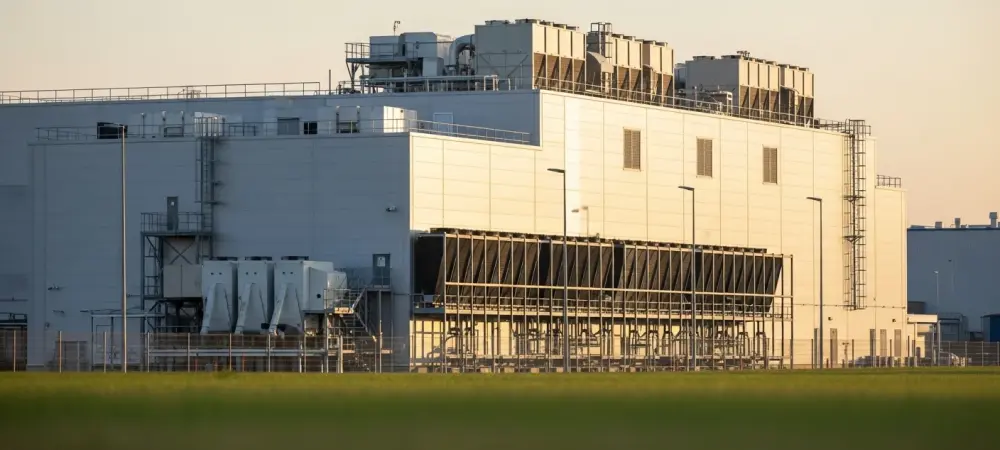
The pursuit of digital real estate has reached a fever pitch as cloud service providers scramble to secure physical footprints in the most connected corners of the world. Amazon Data Services recently solidified its dominance in the Northern Virginia market by finalizing the acquisition of forty-four acres in Prince William County for a staggering sum of one hundred and twenty million dollars. This transaction involved four specific parcels situated along Wellington and Devlin Roads, purchased from BlackChamber Partners, a private equity firm that has carved out a niche by preparing large-scale sites specifically for hyperscale tenants. At approximately two point seven million dollars per acre, the sale price reflects a massive return on investment for the sellers, who began assembling these individual plots for less than forty million dollars over the span of the last five years. This high-stakes deal highlights the premium placed on shovel-ready land that can support the immense power and cooling requirements of modern artificial intelligence and cloud computing.
Strategic Positioning in the Data Center Opportunity Zone
The newly acquired property is strategically located within the Data Center Opportunity Zone Overlay District of Prince William County, a designation that traditionally allowed for industrial development by right. However, the timing of this acquisition is particularly notable because it occurred while local officials were actively debating the potential removal or significant modification of this overlay district. Despite this period of regulatory transition and the associated uncertainty, Amazon chose to move forward, underscoring its long-term commitment to the region. Northern Virginia serves as the backbone of the global digital economy, housing the famed US-East cloud region which represents the highest concentration of corporate data centers on the planet. By securing this land now, the tech giant effectively insulated itself against future zoning changes that could make such developments more difficult or expensive. This move ensures that the company maintains its competitive edge in a geographic area where connectivity and low-latency access are paramount for enterprise clients and government agencies alike.
Expansion Beyond Traditional Regional Boundaries
This acquisition was a pivotal moment in a broader industrial shift across the Mid-Atlantic as traditional hubs like Loudoun County approached their power and land capacity limits. Consequently, infrastructure developers aggressively pushed into neighboring jurisdictions such as Culpeper, King George, and Stafford Counties to accommodate the relentless demand for hyperscale capacity. The investment reinforced the consensus that Northern Virginia remained the primary focal point for global cloud infrastructure due to its established power networks and specialized labor force. Forward-looking strategies for local governments involved balancing these lucrative tax revenues against resident concerns regarding noise and aesthetic impact. For organizations seeking to mirror this expansion, the actionable path forward necessitated securing utility commitments well in advance of land purchases to mitigate the risks of power shortages. Developers and investors ultimately recognized that the window for acquiring prime acreage at any price was closing fast, which justified the bold financial commitment seen in this transaction.