

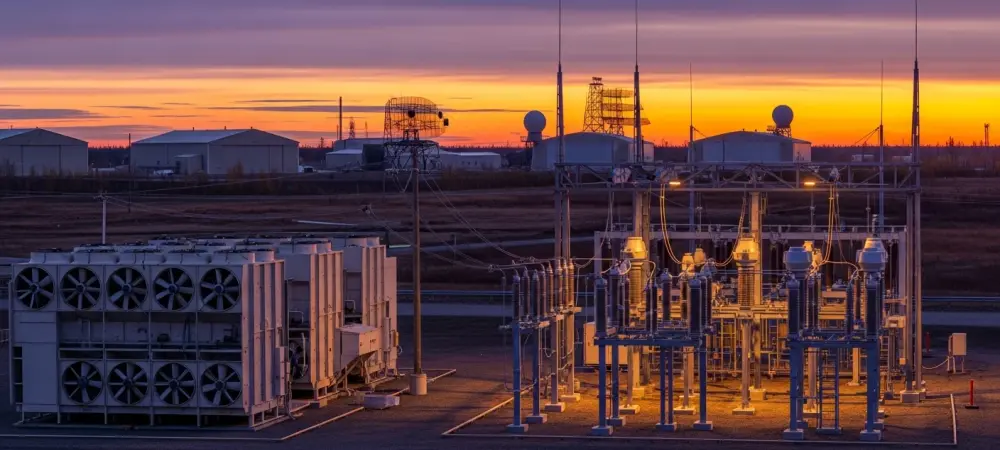
Dominic Jainy provides a masterclass on the intersection of national security and the digital frontier, focusing on the Air Force’s bold move to lease 4,700 acres of Alaskan soil for data center development. He explores the strategic shift toward using military land as a catalyst for AI growth and the complex logistical dance required to operate within high-security defense installations.
The Enhanced Use Lease model allows private developers to utilize roughly 4,700 acres of military land in exchange for fair market value payments. How does this specific financial structure impact long-term operational risks, and what specific steps must a developer take to manage construction on active bases?
The Enhanced Use Lease model is a brilliant way for the Department of the Air Force to turn underutilized land into a consistent stream of value that supports the readiness of airmen and guardians. By leasing out 4,700 acres, the service ensures that the private sector carries the financial weight while the military receives fair market value in cash to reinvest in its core missions. For a developer, the operational risk is tied to the unique constraints of building on a high-security site where “business as usual” doesn’t exist. You have to coordinate every move with the Department of War to ensure that construction crews, heavy machinery, and constant activity don’t interfere with the sensitive daily operations of the base. It requires a level of patience and precision that you simply don’t find in civilian real estate, where the smell of jet fuel and the sound of drills must be perfectly synchronized.
Joint Base Elmendorf-Richardson, Eielson Air Force Base, and Clear Space Force Station are being positioned as potential technology hubs. What unique logistical hurdles do these specific Alaskan locations present for hyperscalers, and how can these sites help meet the cooling or power demands of the AI industry?
Alaska offers a rugged, icy landscape that is incredibly attractive for the AI industry because the natural climate significantly reduces the massive energy costs associated with cooling high-density servers. However, getting the equipment to sites like Clear Space Force Station or Eielson Air Force Base is a massive logistical undertaking that involves navigating extreme weather and remote geography. We have seen Governor Mike Dunleavy actively courting these hyperscalers since 2024, trying to bridge the gap between Alaska’s isolation and its potential as a digital powerhouse. The sheer scale of these twelve parcels allows for infrastructure that can handle the immense power demands of modern computing while using the sub-arctic air as a free, natural heat sink. It is a sensory experience of extremes, where the cold wind of the “Last Frontier” becomes the most valuable resource for the hottest new technology on the planet.
With twelve distinct parcels identified for development, the selected partner carries the full responsibility for financing, permitting, and long-term operations. Could you walk through the permitting process for such a sensitive environment and explain how military mission readiness factors into daily data center management?
When a developer takes on these twelve parcels, they are entering a permitting process that is far more rigorous than any municipal zoning board because it involves national security protocols. Every permit must be vetted to ensure that the physical facility and its digital footprint do not create vulnerabilities for the Air Force or Space Force. Mission readiness is the primary filter; if a data center’s operations or its long-term maintenance schedule threatens the base’s primary defense function, the project stops. This means the developer must have a team that understands military culture and can manage a facility that runs 24/7 without ever becoming a distraction to the personnel on site. It is a delicate balance of maintaining civilian tech infrastructure while respecting the sacred duty of the soldiers who live and work just a few hundred yards away.
Recent federal shifts have opened Department of Defense and Department of Energy lands for commercial infrastructure to support technological advancement. How does the current push for hyperscalers in the North align with these federal mandates, and what metrics would define a successful integration of civilian tech on military soil?
This initiative is the direct result of a strategic push that began with a last-minute Biden-era executive order and was later refined by the Trump administration to unlock federal lands for tech growth. By identifying 16 potential sites across the DOE and DOD portfolios, the government is signaling that military soil is no longer off-limits for the engines of the modern economy. A successful integration will be measured by the “fair market value” generated for the service and the ability of these centers to operate without a single security breach or operational delay for the Air Force. We are looking for a seamless blend where the economic opportunities for the state of Alaska match the technological needs of the nation. It represents a fundamental shift in how we view the defense real estate portfolio—not just as a buffer zone, but as a strategic asset for global AI dominance.
What is your forecast for military-hosted data centers in Alaska?
I expect that the virtual industry day on April 23 and the subsequent site tours from April 28 to April 30 will reveal a massive appetite from the private sector to colonize these northern outposts. My forecast is that Alaska will move from being a data center outlier to a primary hub for AI training clusters within the next five years, driven by these unique public-private partnerships. We will likely see the Department of the Air Force expand this model beyond the initial 4,700 acres as the financial benefits and mission support value become undeniable. This is the beginning of a “Digital Gold Rush” in the North, where the roar of the Fairbanks wind will eventually be matched by the steady, high-tech hum of the world’s most advanced server farms.